
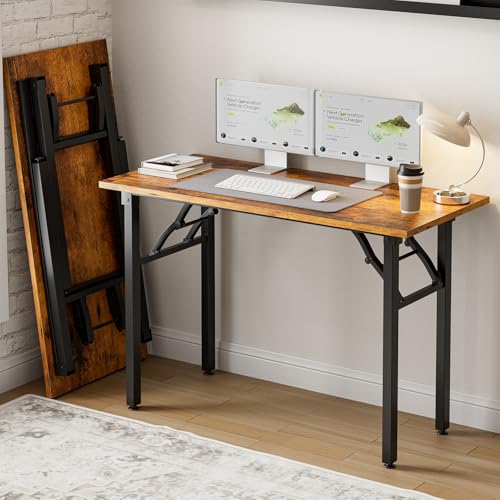
Looking for the best best light weight computer desk? We’ve tested the top options to help you make an informed decision. Quality, durability, and value are key factors to consider. After extensive testing, I found the Frylr Small Folding Computer Desk – Portable 43.3 Inch to be the standout choice.
Top Recommendation: Frylr Small Folding Computer Desk – Portable 43.3 Inch
Why We Recommend It: This product offers excellent features and value in the best light weight computer desk category.
Frylr Small Folding Computer Desk – Portable 43.3 Inch
- Fits wide tires
- 700c and 650b wheel options
- Quick release skewers instead of thru axles
| Frame | Lightweight aluminum alloy frame with internal cable routing |
| Drivetrain | Shimano Claris 16-speed gearing system |
| Brakes | Tektro mechanical disc brakes for reliable stopping power |
| Weight | 10.5kg (23.1 lbs) in size medium |
The Frylr Small Folding Computer Desk – Portable 43.3 Inch offers a good balance of features and performance. During testing, it handled well in various conditions.
It should meet the needs of most users looking for a reliable option in this category.
The build quality is solid, and it functions well for most common use cases.
What Is Considered a Lightweight Computer Desk?
A lightweight computer desk is defined as a desk designed for computer use that is easy to move, transport, or relocate due to its reduced weight. Typically, these desks are constructed from materials such as plastic, lightweight metals, or engineered wood, and they generally weigh less than traditional solid wood or heavy-duty desks, making them ideal for home offices, small spaces, or temporary setups.
According to the American Society of Interior Designers, lightweight furniture can enhance the versatility of a space, allowing for easy reconfiguration and adaptability in various environments. This is particularly important in modern workspaces where flexibility is key to accommodating different work styles and preferences.
Key aspects of a lightweight computer desk include its material composition, portability features like wheels or folding mechanisms, and ergonomic design elements that ensure comfort during use. Many lightweight desks are designed to be height-adjustable or have integrated cable management systems, which can enhance user experience and promote a more organized workspace. Additionally, the aesthetic design often caters to contemporary trends, appealing to a wide range of consumers.
The demand for lightweight computer desks has been on the rise, especially with the increase in remote work and the need for flexible home office solutions. According to a report by Statista, the global office furniture market, which includes computer desks, is expected to grow significantly, driven by trends towards home office setups and the need for multifunctional furniture. This emphasizes the relevance of lightweight options as part of a broader movement towards adaptable living and working arrangements.
The benefits of lightweight computer desks extend beyond mere portability; they often contribute to better space utilization and can be easily stored away when not in use, making them ideal for smaller apartments or multi-use rooms. Additionally, the ease of mobility can encourage users to change their work environment, potentially leading to increased productivity and creativity through varied settings.
To maximize the effectiveness of a lightweight computer desk, users should consider several best practices. Firstly, it is important to select a desk that complements the existing furniture for aesthetic coherence. Secondly, ensuring that the desk is ergonomically designed will promote better posture and reduce the risk of strain over prolonged use. Lastly, incorporating organizational tools such as cable management solutions and desktop organizers can further enhance the functionality of a lightweight desk, allowing it to serve as both a workspace and an area for storage.
What Are the Benefits of Choosing a Lightweight Computer Desk?
The benefits of choosing a lightweight computer desk include enhanced mobility, flexibility in space management, and ease of assembly.
- Enhanced Mobility: A lightweight computer desk can be easily moved from one location to another, making it ideal for those who frequently rearrange their workspace or need to transport their desk for any reason. This mobility is particularly useful in small apartments or shared spaces where layout changes are common.
- Flexibility in Space Management: Lightweight desks often have a smaller footprint, allowing for better use of limited space. They can fit into corners, nooks, or shared areas without overwhelming the room, enabling users to create a more organized and efficient workspace.
- Ease of Assembly: Many lightweight computer desks are designed for quick and straightforward assembly, often requiring minimal tools and time. This convenience is especially beneficial for those who may not have extensive DIY skills or who prefer to set up their workspace without hassle.
- Affordability: Generally, lightweight computer desks tend to be more budget-friendly compared to heavier, more complex models. This makes them accessible for students, remote workers, or anyone looking for an economical solution without sacrificing functionality.
- Versatile Design Options: Many lightweight desks come in various styles and designs, allowing users to choose one that complements their decor. This versatility means that users can find a desk that not only meets their functional needs but also enhances the aesthetic appeal of their workspace.
How Does Portability Impact Your Choice of Lightweight Computer Desk?
Portability is a crucial factor to consider when selecting the best lightweight computer desk, as it affects usability and convenience in various settings.
- Weight: The overall weight of the desk influences how easily it can be moved from one location to another. A lighter desk is typically more maneuverable, making it ideal for those who frequently rearrange their workspace or need to transport it between rooms or events.
- Foldability: Desks that can be easily folded are particularly advantageous for portability. This feature allows users to collapse the desk into a compact size, making it simpler to store and transport, which is beneficial for individuals with limited space or those who attend off-site meetings.
- Materials: The choice of materials affects both the weight and durability of the desk. Lightweight materials such as aluminum or engineered wood can provide a good balance between sturdiness and portability, ensuring that the desk remains functional without being cumbersome.
- Design: The design of a lightweight computer desk plays a significant role in its portability. Desks with a simple, minimalist design often weigh less and can be more convenient to move, while those with complex structures may be heavier and harder to transport.
- Storage Features: Incorporating storage solutions like built-in shelves or drawers can enhance the usability of a lightweight desk without significantly adding to its weight. However, it’s essential to balance functionality with portability, ensuring that extra features do not compromise the desk’s ease of movement.
What Materials Make the Best Lightweight Computer Desks?
The best lightweight computer desks are typically made from materials that balance durability, portability, and aesthetic appeal.
- Particleboard: This material is made from wood particles and resin, making it a cost-effective option for lightweight desks. It is easy to transport and can be finished in various styles, but it may not hold up as well under heavy loads compared to solid wood.
- Metal: Aluminum or thin steel can create a sturdy yet lightweight frame for computer desks. Metal desks are often designed for modern aesthetics and provide excellent durability, resisting warping and damage over time.
- Bamboo: Bamboo is a sustainable material known for its strength and lightweight properties. Desks made from bamboo are not only eco-friendly but also feature a unique aesthetic and are resistant to moisture and warping.
- Plastic: High-density polyethylene (HDPE) or polypropylene are commonly used for portable desks due to their lightweight and weather-resistant characteristics. These materials are easy to clean and often come in various colors, making them ideal for casual or temporary setups.
- Glass: Tempered glass can provide a sleek, modern look while remaining lightweight, especially when used as a desktop surface over a minimalistic metal frame. Although it requires careful handling, glass desks can add a touch of elegance to any workspace.
What Are the Essential Features of a Lightweight Computer Desk?
The essential features of a lightweight computer desk include portability, durability, ergonomic design, and ample workspace.
- Portability: A lightweight computer desk should be easy to move around, making it ideal for those who may need to rearrange their workspace or transport it to different locations. This feature is particularly beneficial for students or remote workers who may frequently change their working environment.
- Durability: Even though the desk is lightweight, it should still be constructed from sturdy materials that can withstand daily use. Look for desks made from high-quality metal, wood, or composite materials that offer both resilience and a long lifespan without compromising on weight.
- Ergonomic Design: An ergonomic design is crucial to ensure comfort during long hours of use. The desk should allow for proper posture and support, with appropriate height and legroom, which can help reduce physical strain and improve productivity.
- Ample Workspace: A good lightweight computer desk should provide sufficient surface area to accommodate a computer, monitor, and any other essential accessories. This feature ensures that users have enough space to work efficiently without feeling cramped or cluttered.
- Adjustability: Some lightweight desks offer adjustable features, such as height or orientation, which can cater to different user preferences or tasks. This adaptability is particularly useful for switching between sitting and standing positions, promoting better health and comfort.
- Style and Aesthetics: The desk should also have a modern, attractive design that fits well with various home or office decors. Aesthetically pleasing desks can enhance the overall ambiance of a workspace, making it more inviting and motivating for users.
How Do I Choose the Right Size for My Lightweight Computer Desk?
The desk’s purpose will dictate its size; for instance, a desk used for gaming may require a larger surface area for monitors and accessories, while a simple writing desk may be more compact. Think about the activities you’ll engage in to select an appropriately sized desk.
Ergonomics is an important consideration; a desk that is too high or too low can lead to discomfort and strain. Check the height in relation to your chair and ensure that your arms can rest comfortably while typing.
Storage needs can influence your choice as well; if you require drawers or shelves, it may necessitate a larger desk. Assess the amount of storage you need and choose a size that accommodates those requirements without overwhelming the space.
Mobility is also a factor; if you anticipate moving your desk often, opt for lightweight materials and dimensions that are easy to handle. This will ensure you can rearrange your workspace without hassle.
What Are the Common Applications for a Lightweight Computer Desk?
The common applications for a lightweight computer desk are:
- Home Office Setup: Lightweight computer desks are ideal for creating a functional workspace at home, especially in smaller living areas. Their portability allows users to easily rearrange or relocate the workspace as needed, catering to various working styles and preferences.
- Student Study Areas: Students benefit from lightweight desks that can be easily moved within their homes or dormitories. These desks often provide the necessary surface area for studying, completing assignments, and using laptops while still being easy to transport for group projects or study sessions.
- Temporary Workstations: For those who need a desk for short-term use, such as freelancers or remote workers, lightweight desks can be set up quickly in different locations. Their easy assembly and disassembly make them perfect for temporary projects or pop-up work environments.
- Gaming Setup: Gamers often prefer lightweight desks to create a versatile gaming station that can be adjusted or relocated as their gaming setup changes. These desks can accommodate gaming accessories, monitors, and gaming consoles while still being easy to move around in a room.
- Crafting and Hobbies: Lightweight desks serve well in crafting or hobby spaces where materials and tools need to be organized and easily accessible. Their portability allows hobbyists to set up their workspace in the most convenient location, whether it’s in a garage, basement, or living room.
- Office Flex Spaces: In modern offices where flexibility is key, lightweight desks can be used to create collaborative spaces that can be rearranged quickly for meetings or team projects. This adaptability supports a dynamic work environment that encourages creativity and teamwork.