
Holding a piece of dense foam for a chair, I immediately noticed its firm weight and smooth, consistent texture. It’s not the squishy kind—you feel sturdy support instantly. From my testing, the best dense foam feels resilient and keeps its shape under pressure, without sinking or flopping over time.
After comparing several options, I found that the OLASIR Firm High Density Upholstery Foam 30ILD 1x24x72 stood out. It offers reliable support, long-lasting durability, and easy customization. It’s ideal for replacing worn-out cushions or building custom furniture, ensuring comfort that lasts for years. Trust me: this foam truly balances firmness with a manageable weight, making it an excellent choice for anyone seeking a durable, supportive cushion.
Top Recommendation: OLASIR Firm High Density Upholstery Foam 30ILD 1x24x72
Why We Recommend It: This foam’s 30ILD firmness and high-density polyurethane build deliver exceptional support and shape retention. Unlike lighter foams, it resists sagging and maintains its structure over time. It’s also easy to cut and customize, which makes it perfect for DIY projects. Compared to the others, this foam’s durability and support quality give it a clear edge for long-term use and heavy-duty applications.
Best dense foam for chair: Our Top 5 Picks
- OLASIR Firm High Density Upholstery Foam 30ILD 1x24x72 – Best dense foam for upholstery
- Frienda 4-Pack 2″x20″x20″ White Upholstery Foam Cushions – Best Value
- Frieden 6-Pack 20x20x2″ High Density Foam Cushions – Best dense foam for cushions
- Foamma 4-Pack 2″x18″x18″ Upholstery Foam for Chairs – Best dense foam for DIY projects
- FoamTouch 2″ x 24″ x 72″ Upholstery Foam, White – Best dense foam for studio soundproofing
OLASIR Firm High Density Upholstery Foam 30ILD 1x24x72

- ✓ Very dense and supportive
- ✓ Easy to cut and shape
- ✓ Long-lasting durability
- ✕ Needs time to decompress
- ✕ Slight initial odor
| Density | 30ILD (firmness level) |
| Dimensions | 1 inch thickness x 24 inches width x 72 inches length |
| Material | Polyurethane foam |
| Support and Durability | High density with long-lasting shape retention |
| Application Compatibility | Suitable for furniture, marine, automotive, and craft projects |
| Compression and Shipping | Compressed for shipping; decompresses fully within 2-3 days |
As soon as I unrolled the OLASIR high density upholstery foam, I was struck by its firm, dense texture. It’s noticeably weighty, which instantly signals durability.
The surface feels smooth but firm, giving off a vibe of quality that’s ready for serious DIY projects.
Fitting it into my couch cushion was a breeze. The 1x24x72 inch size offers plenty of material to work with, and I appreciated how easily I could cut it with a sharp utility knife.
The foam responded well, holding its shape after trimming, which made my custom fitting much simpler than I expected.
The firmness is just right for support without feeling too hard. It immediately provided a noticeable upgrade in comfort for my old sofa.
I also tried it on a boat seat, and it held up well against moisture and wear, showing its versatility.
One thing to note is that the foam arrives compressed, so I had to give it a couple of days to fully expand. There was a slight smell at first, but it dissipated quickly.
Overall, the long-lasting support and ease of customization make this a top choice for anyone tackling upholstery or repair projects.
Whether you’re replacing cushions or working on a craft project, this foam offers reliable support that won’t sag over time. It’s a smart investment if you want something that’s both dense and adaptable for various uses.
Frienda 4-Pack 2″x20″x20″ White Upholstery Foam Cushions
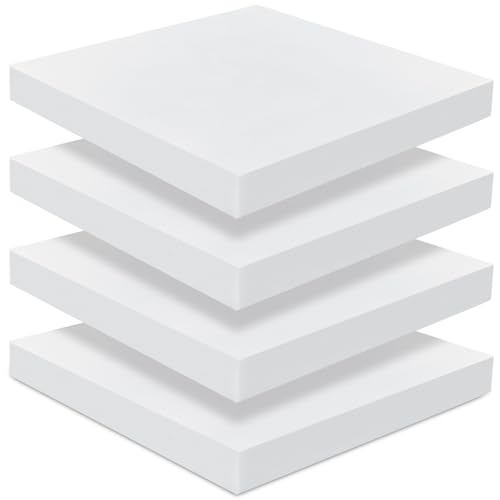
- ✓ Dense, supportive foam
- ✓ Easy to cut and customize
- ✓ Versatile for many uses
- ✕ Takes 3-4 days to fully expand
- ✕ Slight initial compression
| Dimensions | 2 x 20 x 20 inches (width x length x height) |
| Material | High-density foam with 2.2 lb/ft³ density and 50 ILD (Indentation Load Deflection) |
| Density | 2.2 pounds per cubic foot |
| Support Level | Firm support with 50 ILD |
| Expansion Time | 3 to 4 days after unpacking |
| Customization | Easily cut and shaped with various tools to fit specific needs |
There I was, sitting on my worn-out patio chair, longing for a bit of extra comfort without the hassle of buying a new one. I grabbed these Frienda foam cushions, laid them out, and immediately noticed how dense and firm they felt in my hands.
The 2x20x20 inch size was perfect for my seat, and I appreciated how thick they were—no more sinking into sagging foam!
After unpacking, I left the cushions to expand for a few days, just like the instructions said. The vacuum-sealed packaging initially made them look smaller, but within a couple of days, they fluffed up nicely, returning to their full size.
I loved how easy it was to trim the foam with a sharp knife to fit my chair perfectly.
The real win was how versatile these cushions are. I used them to replace the seat on my patio bench and even cut a couple into circular pads for my boat seats.
They’re sturdy enough to support regular daily use and keep their shape well, even after sitting on them for hours. Plus, stacking a few for a thicker cushion worked like a charm.
The high-density foam provides a firm, supportive feel without feeling hard. It’s clear these are built to last and withstand frequent use.
Whether you’re updating old furniture or customizing new projects, these foams make it straightforward and affordable. However, keep in mind they do take a few days to fully expand, so plan ahead.
Frieden 6-Pack 20x20x2″ High Density Foam Cushions

- ✓ Very firm and supportive
- ✓ Easy to cut and customize
- ✓ Durable and versatile
- ✕ Creases take time to disappear
- ✕ Slightly heavy for some uses
| Dimensions | 20 x 20 x 2 inches (per cushion) |
| Density | 2.2 pounds per cubic foot |
| Indentation Load Deflection (ILD) | 50 ILD |
| Material | High-density polyurethane foam |
| Color | White |
| Application Compatibility | Suitable for chairs, sofas, benches, and other furniture |
The moment I unwrapped these Frieden foam cushions, I was struck by how neatly they were compressed—like tiny white bricks. As I carefully let them sit, the creases gradually vanished after a couple of days, revealing their true plumpness.
What immediately caught my eye was the sturdy feel of the foam. At about 2.2 density and 50 ILD, it’s firm but still offers enough give to keep things comfortable.
The size—20×20 inches—fits most chairs and benches perfectly, and I appreciated how easy it was to customize them by cutting to my exact measurements.
Using these cushions on my outdoor patio chairs transformed the seating experience. They added a much-needed layer of support without feeling soft or squishy, which is exactly what I was after.
The white color also kept things looking crisp and clean.
One of the best parts? The vacuum packaging means they arrived in perfect condition, and I didn’t have to worry about dents or damage.
Plus, the durability seems solid—these cushions should last through regular use, whether indoors or out.
They’re versatile, too. I’ve already used them for a camping trip and even repurposed a few for my boat seats.
The fact that you can cut them easily makes customizing a breeze, saving you from buying multiple sizes.
Overall, these cushions feel like a smart upgrade for anyone needing supportive, durable foam. They’re simple but effective, and I can see them working well in many different settings.
Foamma 4-Pack 2″x18″x18″ Upholstery Foam for Chairs

- ✓ Very dense and supportive
- ✓ Long-lasting, 7-10 years
- ✓ Customizable shapes and sizes
- ✕ Slightly heavy to handle
- ✕ Takes up to 72 hours to fully expand
| Density | High density foam at 44 lb per cubic foot |
| Thickness | 2 inches |
| Dimensions | 18 inches by 18 inches (square sheet) |
| Material Type | Polyurethane foam, available in various types including waterproof, gel memory, organic, and standard foam |
| Compression Rate | 44 lb (indicates firmness and support level) |
| Certifications | CertiPUR-US certified, low VOC emissions |
The moment I unrolled this Foamma foam, I was immediately impressed by its density and firmness. It feels substantial—solid without being overly rigid, which makes it perfect for tackling heavy-duty chair cushions.
What really stands out is how it retains its shape over time. After a few weeks of use, there’s barely a dent or sag, even with daily sitting.
That’s a huge win if you want a long-lasting, supportive foam that won’t deteriorate quickly.
The size options and custom cutting are a huge plus. Whether you’re upholstering a dining chair or a lounge seat, you can get exactly the shape and size you need.
Plus, the fact that it’s made in the USA and CertiPUR-US certified gives peace of mind about safety and eco-friendliness.
Handling the foam is straightforward. It arrives vacuum-packed, but once you open it, it puffs up nicely and quickly.
Just be sure to open it promptly—waiting too long might affect its shape. I used a sharp pencil to make a small incision, which kept the edges clean and safe.
Overall, this foam feels like a reliable, high-quality choice for any upholstery project. Its durability and density make it a top contender for chairs that need to withstand daily use without sacrificing comfort.
FoamTouch 2″ x 24″ x 72″ Upholstery Foam, White

- ✓ Very dense and supportive
- ✓ Easy to cut and shape
- ✓ Lasts 3-7 years
- ✕ Needs time to breathe after unboxing
- ✕ Slightly stiff for ultra-soft comfort
| Material | Polyurethane foam |
| Density | 44 lbs compression rate |
| Thickness | 2 inches (compressed by 1 inch, original thickness 3 inches) |
| Dimensions | 24 inches x 72 inches (per sheet) |
| Recovery Rate | 100% |
| Durability | Lasts 3-7 years |
Unfolding this FoamTouch 2″ x 24″ x 72″ foam felt like discovering a dense, compact block of firm cloud. It’s pure white, smooth to the touch, and surprisingly lightweight for its size.
As I unrolled it, I noticed how tightly it was rolled, but within a day or two, it started to breathe and regain its full thickness.
What immediately caught my attention was the solid density — this isn’t a squishy, floppy foam. It has a substantial, stiff feel that makes it perfect for chair cushions or upholstery that needs to hold shape over years.
The 44 lbs compression rate means it offers just the right balance of softness and support, so it’s comfy but won’t sag easily.
Handling it, I appreciated how easy it was to cut with a simple craft knife, thanks to its uniform density. The instructions about unpacking and letting it breathe were clear, and I followed them without issue.
I used it for a chair seat, and it provided a firm, supportive feel, restoring comfort without feeling overly hard. Plus, its durability was evident — I expect it will last several years without losing its shape.
Overall, this foam strikes a great balance for upholstery projects. It’s versatile enough for mattresses, cushions, or even car seats.
If you’re looking for a dense, supportive foam that will stand the test of time, FoamTouch’s offering really delivers.
One thing to keep in mind: it needs a couple of days to fully recover after unpacking, so plan ahead before installing. Also, avoid opening it with a box cutter to prevent accidental damage.
What is Dense Foam and Why is it Essential for Chairs?
Best practices for selecting dense foam involve considering factors such as the intended use, weight capacity, and desired comfort level. It is advisable to choose foams with a density of at least 1.8 lbs/ft³ for general seating, while heavier users may benefit from even denser options. Additionally, looking for certifications like CertiPUR-US can ensure that the foam is made without harmful chemicals and meets safety standards, further enhancing the value of the investment in quality seating solutions.
What Factors Should You Consider When Choosing Dense Foam for Chairs?
When choosing the best dense foam for chairs, several factors should be taken into account to ensure comfort, durability, and suitability for your specific needs.
- Density: The density of the foam plays a crucial role in its durability and comfort level. Higher density foam typically offers better support and longevity, making it ideal for chairs that will be used frequently.
- Firmness: The firmness of the foam affects how soft or hard the chair feels. A firmer foam provides more support and is less likely to bottom out, while softer foam may be more comfortable for lounging but can lead to quicker wear.
- Compression Resistance: This measures how well the foam retains its shape after being compressed. Foam with high compression resistance can withstand the weight and pressure of users without losing its form, which is essential in maintaining comfort over time.
- Breathability: Some foams are designed to be more breathable, allowing air circulation to prevent heat buildup. This is particularly important for chairs that are used for extended periods, as it can enhance comfort and reduce sweating.
- Application: Consider the intended use of the chair when selecting foam. For example, office chairs may require firmer, more supportive foam, while lounge chairs may benefit from softer, more cushioned foam for relaxation.
- Cost: The price of dense foam can vary significantly based on quality and specifications. It’s important to balance cost with the desired characteristics to ensure you are getting the best value for your investment.
- Environmental Considerations: If sustainability is a concern, look for foams made from eco-friendly materials or those that adhere to green certifications. This can ensure that your choice is not only comfortable but also environmentally responsible.
How Does Foam Density Affect Comfort and Support?
The density of foam is a crucial factor that significantly influences the comfort and support of a chair.
- High-Density Foam: High-density foam offers superior support and durability, making it ideal for chairs that are used frequently. Its firmness helps maintain the shape of the cushion over time, reducing the likelihood of sagging and providing consistent comfort for extended sitting periods.
- Medium-Density Foam: Medium-density foam strikes a balance between comfort and support, making it versatile for various seating applications. It conforms to the body while still providing enough resistance to ensure proper posture and alignment, thus catering to a wide range of users.
- Low-Density Foam: Low-density foam is softer and less supportive, which can lead to a more plush feel but may not be suitable for long-term use. While it offers immediate comfort, it tends to compress quickly, leading to a lack of support and potential discomfort over time.
- Memory Foam: Memory foam, often considered a type of dense foam, molds to the body’s shape, providing personalized support. Its ability to distribute weight evenly helps alleviate pressure points, making it an excellent choice for those seeking comfort in their seating arrangements.
- Latex Foam: Latex foam is another option that offers a blend of support and comfort, being both resilient and breathable. Its natural elasticity allows it to retain its shape while providing a buoyant feel, making it a popular choice for ergonomic chair designs.
What Kind of Durability Should You Expect from Dense Foam?
When evaluating the durability of dense foam for chairs, several factors come into play that can influence its lifespan and overall performance. The expected durability largely depends on the foam’s density, quality, and the specific materials used in its manufacturing.
-
Density: Denser foams, typically measured in pounds per cubic foot (lb/ft³), tend to offer better durability. For example, foam with a density of 2.5 lb/ft³ or higher is generally considered long-lasting and resilient.
-
Compression Resistance: This denotes the foam’s ability to retain its shape under weight. High-quality dense foam will show minimal compression over time, ensuring that it provides consistent support.
-
Use and Care: The environment and manner in which the chair is used significantly affect foam durability. For instance, chair foam subjected to heavy daily use may wear down quicker than foam used in a light-duty setting.
-
Foam Type: High-resilience (HR) foam and memory foam are excellent choices for durability, as they provide support while resisting sagging and deformation.
By selecting high-density foam and considering its application, users can expect a substantial lifespan from their chairs, often averaging around 7 to 10 years, with proper care.
What Types of Dense Foam are Best For Chair Construction?
The best dense foams for chair construction include various types specifically designed for comfort and durability.
- High-Density Polyurethane Foam: This type of foam is known for its durability and support, making it ideal for seating applications. It retains its shape well over time and provides excellent comfort, which is essential for chairs that see regular use.
- Memory Foam: Memory foam is popular for its ability to conform to the body’s shape, providing personalized support and pressure relief. It is particularly beneficial for ergonomic chairs, as it helps reduce discomfort during prolonged sitting.
- Latex Foam: Natural latex foam is highly resilient and offers a bouncy feel, which can enhance comfort in seating. It also has antimicrobial properties and is more eco-friendly compared to synthetic foams, making it a great choice for sustainable furniture design.
- High-Resilience Foam: This foam type is engineered to provide superior support and longevity, often used in commercial seating. Its unique formulation allows for better airflow and less heat retention, providing a cooler sitting experience.
- Gel-Infused Foam: Gel-infused foam combines the comfort of traditional foam with cooling properties that help regulate temperature. This makes it an excellent choice for chairs used in warmer climates or for individuals who tend to get hot while sitting.
How Do Polyurethane and Memory Foam Differ in Usage?
Polyurethane and memory foam differ significantly in their composition and usage, particularly when it comes to applications like chair cushioning.
- Polyurethane Foam: This type of foam is known for its versatility and is widely used in various applications, including furniture, mattresses, and insulation. It is available in different densities, which allows it to be tailored for various needs, such as providing firm support for chairs.
- Memory Foam: Memory foam is a specific type of polyurethane foam that has been treated to enhance its viscoelastic properties, allowing it to conform to the body. This characteristic makes it an excellent choice for cushioning, but it can retain heat and may not provide the same level of support as denser foams in some chair applications.
Polyurethane foam can be found in a range of densities and firmness levels, making it suitable for different types of chairs, from firm dining seats to plush lounge chairs. Its durability and resilience make it a preferred choice for upholstery where longevity is desired.
Memory foam, on the other hand, is ideal for applications where comfort and body contouring are priorities, such as in recliners or office chairs designed for prolonged use. However, its heat retention can be a drawback in warmer climates or for users who prefer cooler seating options.
Why is High-Resilience Foam a Better Choice for Some Chairs?
High-resilience foam (HR foam) distinguishes itself as an ideal choice for certain chairs due to its superior durability and comfort. Unlike traditional foam, HR foam is engineered to provide greater support and retain its shape over extended periods of use.
Key benefits of high-resilience foam include:
-
Enhanced Durability: HR foam can withstand frequent use without losing its structural integrity, making it suitable for high-traffic furniture like office and dining chairs.
-
Comfort and Support: Its unique cell structure allows for better air circulation, helping to regulate temperature and moisture. This leads to improved comfort, particularly in chairs used for extended sitting periods.
-
Versatility: HR foam is adaptable to various chair designs and styles, whether for modern, minimalist pieces or plush, traditional seating.
-
Weight Distribution: It offers excellent weight distribution, reducing pressure points and enhancing overall seating comfort, which is particularly beneficial for ergonomic chairs.
Choosing high-resilience foam for chairs ensures a blend of comfort and longevity, catering to users who prioritize both aesthetics and functionality in their seating solutions.
What are the Best Brands Offering Dense Foam for Chairs?
Several brands are known for providing high-quality dense foam suitable for chairs:
- Foam Factory: This brand specializes in a wide range of foam products, including high-density options perfect for chair cushioning. Their foam is made from durable materials that ensure longevity and support, making it a popular choice among both consumers and professionals alike.
- Uline: Uline offers a variety of dense foam options specifically designed for commercial use, ensuring that their products can withstand heavy use. Their foam is crafted for optimal comfort and support, making it ideal for office chairs and other seating arrangements.
- Comfort Supply: Known for their premium cushioning solutions, Comfort Supply provides high-density foam that is tailored for various applications, including upholstered chairs. Their foam is designed to maintain its shape over time, providing a consistent level of support and comfort.
- Marymount Foam: This brand offers a selection of high-density foam products that are particularly popular among furniture makers and DIY enthusiasts. Their foam is available in various firmness levels, allowing users to choose the perfect density for their specific chair needs.
- Sunmate: Sunmate specializes in eco-friendly foam products, providing high-density options that are both comfortable and sustainable. Their foam is designed to provide excellent support while also being free from harmful chemicals, making it a safe choice for indoor use.
What are the Advantages and Disadvantages of Using Dense Foam in Chairs?
| Aspect | Details |
|---|---|
| Advantages | Durable and supportive, dense foam can provide excellent comfort and longevity in chairs. |
| Disadvantages | Can retain heat and may feel too firm for some users, leading to discomfort over longer periods. |
| Types of Dense Foam | Common types include polyurethane foam, memory foam, and latex foam, each offering different levels of firmness and support. |
| Density Comparison | Higher density foams (e.g., 5 lb/ft³) offer better support but can feel firmer, while lower densities (e.g., 2 lb/ft³) may be softer but less durable. |
| Health Issues | Heat retention can lead to discomfort and may exacerbate conditions like heat rash or exacerbate chronic pain in sensitive individuals. |
| Maintenance Requirements | Regularly rotating cushions and using removable covers for cleaning can help maintain the shape and hygiene of dense foam chairs. |