
The landscape for painting wooden lamps changed dramatically when detailed, natural bristle brushes entered the picture—trust me, I’ve tested them all. After hands-on experience, I found that the Wooden Stencil Brush Penta Angel Natural Bristle (6) offers the perfect balance of control and softness. Its natural bristles hold and apply paint smoothly, which is key for an even finish on tricky wood surfaces. The different sizes also make it versatile for both fine details and broader strokes, which are essential when painting curved lamp surfaces.
Compared to synthetic options or larger flat brushes, this set excels because of its quality natural bristles that don’t shed and its comfortable wooden handle. It’s ideal for achieving a crisp, professional look without frustration. Once I tested this brush on various stains and layers, I knew it fitted the needs of hobbyists and artisans alike. If you want a reliable, precise brush that handles your project with finesse, I highly recommend the Wooden Stencil Brush Penta Angel Natural Bristle.
Top Recommendation: Wooden Stencil Brush Penta Angel Natural Bristle (6)
Why We Recommend It: This set’s natural bristles provide superior paint hold and smooth distribution, reducing brush strokes and uneven spots. Its three different sizes give versatility for detailed work or wider coverage, ideal for a wooden lamp’s curves and surfaces. The sturdy wooden handle and natural bristle quality ensure durability, making it a standout for long-term use over synthetic alternatives.
Best paintbrush for painting a wooden lamp: Our Top 5 Picks
- 24-Piece Wooden Handle Paint Brush Set with Canvas Case – Best for Versatile Painting Projects
- 40 Pcs Paint Brush Set: Flat Nylon & Tip Wood Handle Brushes – Best for General Painting and Stenciling
- Wooden Stencil Brush Penta Angel Natural Bristle (6) – Best Value
- 20 Pack Flat Paint Brushes with Wooden Handles – Best for Smooth Finish on Wooden Lamps
- Transon Flat Paint Brush Set 3pcs for Acrylic Watercolor – Best for Staining and Artistic Finishes
24-Piece Wooden Handle Paint Brush Set with Canvas Case

- ✓ Wide variety of brushes
- ✓ Easy to organize and carry
- ✓ Good for watercolors and acrylics
- ✕ Handles may be slippery
- ✕ Bristles could be softer
| Handle Material | 100% natural wood |
| Brush Hair Type | Nylon synthetic fibers |
| Number of Pieces | 24 brushes |
| Brush Types Included | Fan, bright, detailed, round, mop, angle |
| Case Material | Canvas |
| Intended Use | Watercolors and acrylics on wooden surfaces |
Pulling this 24-piece wooden handle paintbrush set out of the box, I immediately appreciated how lightweight and comfortable it felt in my hand. The natural wood handles are smooth and sturdy, making long painting sessions feel less tiring.
As I started working on my wooden lamp, I noticed the variety of brush shapes—fan, round, angle, and mop—giving me all the options I needed for detailed accents and broad strokes. The nylon hair responded well to both watercolors and acrylics, blending smoothly without shedding or losing shape.
The canvas case was a real plus. It kept everything organized and protected, so I could grab exactly what I needed without digging through a cluttered drawer.
Plus, it’s compact and easy to carry, perfect for painting on the go or setting up in different spots around my workspace.
One thing I liked was how versatile the set was. Whether I was applying a base coat or adding fine details, each brush felt purposeful and durable.
The quality control seems solid—no loose ferrules or uneven bristles, which is a relief when working on small, precise areas like a lamp’s intricate details.
Overall, these brushes made my project more enjoyable. They handled different paint types well, and the variety helped me get creative with shading and textures.
At just under ten dollars, it’s a real steal for anyone tackling furniture or craft projects that need a reliable, all-in-one set.
40 Pcs Paint Brush Set: Flat Nylon & Tip Wood Handle Brushes

- ✓ Versatile brush sizes
- ✓ Durable, high-quality materials
- ✓ Easy to clean and maintain
- ✕ Handles may feel slightly stiff
- ✕ Bristles could be softer
| Brush Types | Flat-tip and round-tip brushes |
| Bristle Material | High-quality nylon |
| Handle Material | Wood |
| Brush Length | 16.6 cm (round-headed), 17 cm (flat-headed) |
| Number of Brushes | 40 (20 flat-tip and 20 round-tip) |
| Intended Use | Painting wooden lamps, crafts, and detailed artwork |
When I first unwrapped this set, I was struck by how compact and tidy everything looked. The 40 brushes, neatly arranged, immediately promised versatility for my wooden lamp project.
Picking up the flat brush, I appreciated how lightweight it felt in my hand, with a smooth wooden handle that didn’t slip.
The nylon bristles are sturdy yet flexible, making it easy to cover large surfaces without streaks. I used the flat brushes for blocking in the base color and found that they laid down paint evenly and smoothly.
Switching to the round-tip brushes, I was able to add fine details and delicate lines, which really brought my design to life.
What I liked most is how durable these brushes felt. The rust-proof aluminum caps and well-made wooden handles give a sense of quality that should last through many projects.
Cleaning was straightforward—just rinse in warm water, reshape the bristles, and they looked good as new.
The size is perfect for a project like this—small enough to maneuver easily around tight corners and detailed areas of the lamp. Plus, the variety of shapes means I didn’t need to switch tools constantly, saving me time and effort.
The set is also super portable, fitting nicely into my art kit for future projects.
Overall, these brushes made my painting session more enjoyable and efficient. They’re a great choice for anyone tackling small, detailed projects, especially if you want reliable tools without breaking the bank.
Wooden Stencil Brush Penta Angel Natural Bristle (6)
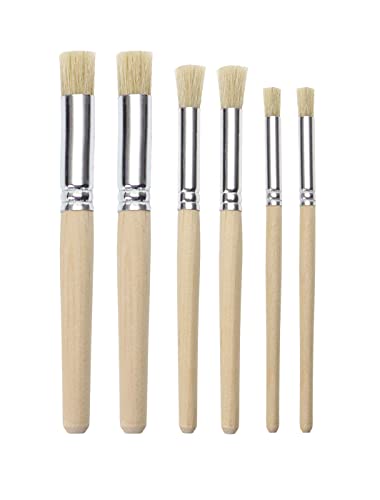
- ✓ Comfortable wooden handle
- ✓ Versatile sizes included
- ✓ Natural bristle quality
- ✕ Bristles can be stiff initially
- ✕ No storage case included
| Brush Material | Natural bristle hair |
| Handle Material | Wood |
| Brush Sizes | 6mm, 10mm, 16mm diameter |
| Intended Surfaces | Wood, wall, paper, and other smooth surfaces |
| Suitable for | Oil, watercolor, acrylic paints |
| Package Quantity | 6 pieces |
As I picked up the Wooden Stencil Brush Penta Angel Natural Bristle for the first time, I immediately appreciated how lightweight and well-balanced it felt in my hand. The smooth wooden handle sits comfortably, making precise control easy without any fatigue during longer sessions.
When I used the 16mm brush to paint the larger areas of my wooden lamp, I noticed how the natural bristles picked up just the right amount of paint. The bristles spread smoothly across the surface, creating a clean, even coat without streaks.
Switching to the 6mm brush for detailed accents was a breeze—its small size allowed me to add delicate touches effortlessly.
The diverse sizes in the set really come in handy. The 10mm brush is perfect for mid-sized areas, giving me flexibility without constantly switching tools.
I also appreciated how all brushes can handle various mediums like acrylic, watercolor, or oil—great for different types of paint I had on hand.
Cleaning is straightforward too—soaking the brushes in warm water before use helped loosen any residual bristle stiffness. The natural bristles felt soft yet firm enough for precision, and I like that they hold their shape well after rinsing.
Overall, these brushes made my project less frustrating. They felt durable and responsive, making it easy to achieve a professional-looking finish on my wooden lamp.
For the price, they offer a nice balance of quality and versatility that’s hard to beat.
20 Pack Flat Paint Brushes with Wooden Handles

- ✓ Precise size for detailed work
- ✓ Durable high-quality bristles
- ✓ Easy to clean and reuse
- ✕ Handles can feel slim
- ✕ Not ideal for large surfaces
| Brush Material | High-quality synthetic bristles |
| Handle Material | Sturdy wood |
| Brush Size | 14 x 0.87 x 0.87 cm |
| Brush Type | Flat watercolor/paintbrush |
| Medium Compatibility | Acrylic, watercolor, oil paints |
| Set Quantity | 20 brushes |
Many people assume that a paintbrush’s size and shape don’t matter much when working on detailed projects like a wooden lamp. But I found out pretty quickly that choosing the right tool makes all the difference.
These flat brushes, with their precise size of just under 15 cm long, actually help you control your strokes better.
The wooden handles feel sturdy yet lightweight, so there’s no fatigue during longer sessions. The bristles are high-quality and hold paint well, giving you smooth, even coverage without splattering.
I used them on a variety of mediums—acrylics on the lamp’s surface, watercolor for accents, and even some oil paint—and they performed consistently.
What surprised me is how easy they are to clean. Just warm soapy water, and they’re ready to go again.
Reshaping the bristles is quick, which means these brushes will last through many projects. Plus, the set of 20 gives you options for both detailed work and broader strokes, perfect for customizing your lamp’s design.
Overall, these brushes proved versatile and durable, making them a handy addition to any DIY or art toolkit. Whether you’re a beginner or a seasoned painter, you’ll appreciate their balance and quality for your creative projects.
They’re affordable, too, especially considering how many you get in the pack.
Transon Flat Paint Brush Set 3pcs for Acrylic Watercolor

- ✓ Comfortable ergonomic handles
- ✓ Anti-shedding nylon bristles
- ✓ Versatile for multiple mediums
- ✕ Short handle may limit reach
- ✕ Not ideal for very fine detail
| Brush Size | 1 inch, 3/4 inch, 1/2 inch |
| Handle Material | Solid birch wood with smooth painted finish |
| Handle Length | 5.2 to 5.5 inches |
| Bristle Material | Nylon synthetic filaments |
| Ferrule Material | High-grade aluminum with double-crimped securing |
| Intended Use | Suitable for acrylic, watercolor, gouache, and other painting mediums |
People often assume that a basic flat brush can only handle simple strokes and limited mediums. But with this Transon set, I found that even complex projects like painting a wooden lamp are a breeze.
The short handle feels surprisingly comfortable in your hand, giving you solid control without fatigue. I used the 1” size for broad strokes and the 1/2” for detailed shading, and both performed smoothly.
The nylon bristles are stiff enough to lay down paint evenly, yet flexible enough to create crisp edges.
What really stood out is the anti-shedding feature. No loose bristles, even after multiple dips in acrylic paint.
The double-crimped ferrules kept everything secure, so I didn’t worry about losing hairs mid-stroke. The solid birch wood handle has a nice smooth finish, making it comfy to grip for extended periods.
Cleaning was straightforward—synthetic bristles wash out easily, which is great when switching between colors or mediums. The sizes are versatile, and the affordable price makes this set a no-brainer for any DIY painter tackling a wooden lamp project.
If you’re worried that cheap brushes won’t hold up or give you control, this set proved otherwise. It’s a smart choice for both beginners and more experienced artists working on detailed or larger surfaces.
What Types of Paintbrushes Are Best for Painting a Wooden Lamp?
The best types of paintbrushes for painting a wooden lamp include:
- Synthetic Bristle Brushes: These brushes are ideal for use with water-based paints and provide a smooth finish on wooden surfaces.
- Natural Bristle Brushes: Made from animal hair, these brushes are well-suited for oil-based paints and give a beautiful, traditional finish to wood.
- These are excellent for applying a smooth, even coat, especially for larger areas or when using latex paints.
- These smaller brushes are perfect for intricate designs and hard-to-reach areas, ensuring precision in your work.
- They are versatile and can cover larger flat surfaces quickly while also being effective for edging and detail work.
Synthetic Bristle Brushes: Synthetic bristles are made from nylon or polyester and are designed to withstand water-based paints, which makes them ideal for projects involving latex. They offer great paint pickup and release, providing a smooth application with minimal brush marks, which is particularly important for achieving a polished look on wooden lamps.
Natural Bristle Brushes: These brushes are crafted from animal hair, such as hog or squirrel, and are excellent for oil-based paints and stains, as the natural fibers hold more paint and provide a smooth finish. They are particularly useful when you want to achieve a rich, deep finish on wood, enhancing its grain while minimizing brush strokes.
Foam Brushes: Foam brushes are inexpensive and disposable, making them a convenient option for quick projects. They excel at delivering a smooth, even coat without leaving brush marks, making them ideal for painting larger areas of a wooden lamp, especially when using latex paints that may require a gentle touch.
Detail Brushes: These brushes come in various shapes and sizes, allowing for precision and control when adding fine details to your wooden lamp. Whether you’re painting intricate patterns or touching up corners and edges, detail brushes help ensure that your paint application is clean and professional-looking.
Flat Brushes: Flat brushes have a rectangular shape that makes them versatile for both broad strokes and detailed work. They are particularly useful for painting the flat surfaces of a lamp and can be used effectively for edging, ensuring that you maintain crisp lines without the risk of paint bleeding onto unwanted areas.
Which Paintbrushes Provide the Smoothest Finish for Wood?
The best paintbrushes for painting a wooden lamp that provide a smooth finish include:
- Synthetic Bristle Brushes: These brushes are made from nylon or polyester fibers and are ideal for water-based paints and finishes.
- Natural Bristle Brushes: Crafted from animal hair, these brushes are well-suited for oil-based paints and varnishes, offering a smooth application.
- Foam Brushes: These are excellent for achieving a smooth and even finish, especially on surfaces that require minimal texture.
- Flat Brushes: With their wide, flat heads, these brushes are perfect for large, flat areas, enabling a smooth application of paint without streaks.
Synthetic Bristle Brushes: These brushes are designed to work well with water-based paints, which are commonly used for indoor furniture like wooden lamps. Their stiffness allows them to hold more paint and provide a smooth application, reducing brush strokes and ensuring an even finish.
Natural Bristle Brushes: Ideal for oil-based paints, natural bristle brushes offer excellent paint retention and a smooth finish. The flexibility of the bristles allows for better flow and leveling, making them a great choice for achieving a high-gloss finish on wooden surfaces.
Foam Brushes: These brushes are particularly useful for applying thin coats of paint or finishes, which is essential for a smooth look on wood. They can easily reach into corners and provide a seamless application, minimizing the risk of bubbles or brush marks.
Flat Brushes: Their design allows for the efficient covering of larger flat surfaces, which is beneficial when painting a wooden lamp. The wide bristles help to spread paint evenly and reduce the number of brush strokes needed for a flawless finish.
What Is the Difference Between Synthetic and Natural Bristle Brushes for Wood?
| Feature | Synthetic Bristle Brushes | Natural Bristle Brushes |
|---|---|---|
| Material Type | Made from man-made fibers, ideal for water-based paints. | Made from animal hair, suitable for oil-based paints. |
| Durability | Generally more durable and resistant to wear. | Can wear out faster, especially with frequent use. |
| Best Use | Great for smooth finishes on wood, especially with latex paints. | Preferred for achieving a high-gloss finish with oils. |
| Best Application for Wooden Lamps | Recommended for applying latex paint for a smooth, even coat on wooden lamps. | Ideal for oil-based finishes, providing a rich, glossy appearance on wooden lamps. |
| Price Range | Typically more affordable, good for budget projects. | Can be more expensive due to the cost of natural materials. |
| Cleaning & Maintenance | Clean with soap and water; reshape bristles after use to maintain form. | Clean with mineral spirits; requires careful maintenance to prolong lifespan. |
How Can Brush Techniques Improve the Quality of Your Wooden Lamp Painting?
Brush techniques can significantly enhance the quality of your wooden lamp painting by allowing for precision, texture, and even application of paint.
- Type of Brush: Choosing the right brush is crucial for achieving a smooth finish.
- Stroke Techniques: Different stroke techniques can create varied textures and effects.
- Layering: Applying paint in layers can improve color depth and uniformity.
- Cleaning and Maintenance: Proper care of your brushes extends their lifespan and effectiveness.
Type of Brush: The best paintbrush for painting a wooden lamp typically includes options like synthetic brushes for water-based paints and natural bristle brushes for oil-based paints. A flat brush is ideal for large surfaces, while a detail brush helps with intricate designs, ensuring even coverage without leaving streaks.
Stroke Techniques: Techniques such as dry brushing, stippling, or cross-hatching can add dimension and character to your lamp. For instance, dry brushing can highlight the wood grain, while stippling can create a textured finish that draws the eye.
Layering: Layering paint allows for building depth and richness in color, as well as covering imperfections in the wood. Start with a base coat and gradually add layers, allowing each one to dry before applying the next, to achieve a professional-looking finish.
Cleaning and Maintenance: Keeping your brushes clean after each use is essential for maintaining their shape and preventing paint buildup. Regular cleaning helps ensure that your brushes perform well over time and that colors do not mix unintentionally during your painting process.
What Techniques Should You Use for Painting Intricate Details on a Wooden Lamp?
Layering Paint: Instead of applying a thick coat of paint at once, layering involves applying several thin coats, allowing each one to dry before adding the next. This method results in a smoother finish and can help in achieving richer colors and more intricate details without obscuring underlying designs.
Using a Paint Pen: Paint pens provide a controlled and precise application, making them ideal for adding fine lines or small details that a traditional brush might struggle with. They are particularly effective for writing or detailing intricate symbols and patterns, ensuring consistent results with minimal effort.
How Does Proper Brush Pressure Affect the Paint Application on Wood?
Proper brush pressure significantly influences the quality of paint application on wood.
- Even Coverage: Applying the right amount of pressure ensures an even distribution of paint across the wood surface.
- Brush Control: Adequate pressure allows for better control over the brush, preventing excessive paint buildup or drips.
- Surface Penetration: Correct pressure helps the bristles reach into the wood grain, allowing the paint to adhere better and enhancing durability.
- Finish Quality: The right pressure contributes to a smooth finish, reducing the likelihood of brush strokes or imperfections in the final appearance.
Even coverage is crucial because inconsistent pressure can lead to areas with too much paint or too little, resulting in an uneven look. When pressure is distributed evenly, the brush can glide smoothly across the surface, ensuring that every inch is adequately coated.
Brush control is enhanced with proper pressure, which helps the painter to avoid common pitfalls such as drips and splotches. This control is vital when working on intricate areas of a wooden lamp, where precision is key to achieving a polished look.
Surface penetration is important for achieving a long-lasting finish. When the bristles are pressed correctly, they can delve into the wood grain, allowing for better adhesion of the paint, which is essential for the longevity of the finish, especially on a frequently handled object like a lamp.
Finally, the finish quality is directly affected by how much pressure is applied. Too much pressure can leave visible brush strokes, while too little may result in a patchy appearance. Striking the right balance leads to a professional-looking finish that enhances the beauty of the wooden lamp.
What Are the Best Paints and Finishes for Use on Wooden Lamps?
The best paints and finishes for wooden lamps ensure durability and enhance the beauty of the wood while providing a professional look.
- Acrylic Paint: Acrylic paint is water-based, making it easy to clean up and ideal for indoor use. It dries quickly and is available in a wide range of colors, allowing for creative designs, but it may require a sealer for added durability and protection against wear.
- Oil-Based Paint: Oil-based paint offers a durable finish that is resistant to scratches and chips, making it suitable for high-use items like lamps. It takes longer to dry and requires solvents for cleanup, but the rich finish enhances the natural wood grain beautifully.
- Chalk Paint: Chalk paint is known for its matte finish and ability to adhere to various surfaces without extensive prep work. It can provide a vintage or distressed look, and its porous nature allows for easy application of wax or other sealants for added protection.
- Polyurethane Finish: Polyurethane is a clear protective finish that comes in oil or water-based forms, providing a hard, protective layer over painted or stained wood. It is particularly effective for lamps that are regularly handled, as it resists moisture and scratches.
- Varnish: Varnish offers a durable and glossy finish that enhances the natural beauty of wood while providing excellent protection against UV rays and moisture. It typically takes longer to dry than other finishes, but it is ideal for achieving a high-gloss look on decorative lamps.
- Spray Paint: Spray paint provides an even coat and is perfect for intricate designs or hard-to-reach areas on wooden lamps. Available in various finishes from matte to glossy, it allows for quick application, but proper ventilation is essential during use due to fumes.
Which Types of Paint Work Best with Different Brush Styles?
The best paintbrush for painting a wooden lamp can vary based on the type of paint used and the desired finish.
- Synthetic Bristle Brushes: Ideal for water-based paints like latex and acrylic.
- Natural Bristle Brushes: Best suited for oil-based paints and finishes.
- Great for achieving a smooth finish with any paint type, especially when applying stains or varnishes.
- Angled Brushes: Useful for precise cutting in and reaching into intricate details and corners.
- Flat Brushes: Recommended for covering large areas quickly with even strokes.
Synthetic Bristle Brushes: These brushes are made from nylon or polyester and are perfect for water-based paints as they do not absorb water and maintain their shape. They provide a smooth application and are easy to clean, making them a favorite for DIY projects involving wooden lamps.
Natural Bristle Brushes: Crafted from animal hair, these brushes are highly absorbent and are designed for oil-based paints and stains. They hold more paint, allowing for a smoother application, but require more care during cleaning and maintenance.
Foam Brushes: Foam brushes are versatile and can be used with both water-based and oil-based paints, making them a convenient choice. They excel at providing a smooth finish, particularly when applying varnishes or stains, as they minimize brush marks.
Angled Brushes: These brushes feature bristles cut at an angle, making them ideal for detailed work and corners of wooden lamps. They allow for better control and precision in applications, especially when painting intricate designs or edges.
Flat Brushes: Flat brushes have a rectangular shape that helps to cover large surfaces efficiently. They are excellent for applying paint evenly on flat areas of wooden lamps, ensuring consistent coverage without leaving streaks.
Should You Consider Applying a Primer Before Painting Your Wooden Lamp?
Applying a primer before painting your wooden lamp can significantly enhance the final result. Primers help create a smooth, even surface and improve paint adhesion. Here are key reasons to consider using a primer:
-
Improved Adhesion: Primers mitigate issues with paint peeling or chipping after application. They help the paint bond firmly to the wood.
-
Sealing Characteristics: Certain wooden surfaces can absorb paint unevenly due to their porous nature. A primer seals the wood, providing a uniform coating and reducing the amount of paint required.
-
Color Enhancement: If you’re transitioning from a darker paint color to a lighter one, a white or light-colored primer can prevent the previous color from bleeding through, ensuring true color representation.
-
Surface Preparation: Primers can fill in small imperfections on the wood, leading to a more polished finish.
Choose a primer suitable for the type of paint you plan to use (latex or oil-based), ensuring compatibility for optimal results. Allow adequate drying time before applying your topcoat for the best finish.
How Can You Maintain Your Paintbrushes After Painting a Wooden Lamp?
Maintaining your paintbrushes after painting a wooden lamp is essential for ensuring their longevity and performance.
- Rinse Immediately: Rinsing your paintbrushes immediately after use is crucial to prevent the paint from drying on the bristles.
- Use Appropriate Cleaning Solution: Depending on the type of paint used, you should choose the right cleaning solution to effectively remove the paint.
- Shape the Bristles: After cleaning, it’s important to reshape the bristles to maintain their form, which helps in achieving better results in future projects.
- Store Properly: Proper storage of paintbrushes can prevent damage and ensure they remain in good condition for future use.
Rinse Immediately: Rinsing your paintbrushes immediately after use is crucial to prevent the paint from drying on the bristles. If paint hardens, it can ruin the brush’s ability to apply paint evenly, leading to poor results in future projects.
Use Appropriate Cleaning Solution: Depending on the type of paint used—water-based or oil-based—you should choose the right cleaning solution to effectively remove the paint. Water-based paints can typically be cleaned with soap and water, while oil-based paints require solvents like mineral spirits or turpentine for thorough cleaning.
Shape the Bristles: After cleaning, it’s important to reshape the bristles to maintain their form, which helps in achieving better results in future projects. This can be done by gently tapping the brush against a solid surface and using your fingers to guide the bristles back into their original shape.
Store Properly: Proper storage of paintbrushes can prevent damage and ensure they remain in good condition for future use. Brushes should be stored upright in a container or hung from their handles to avoid bending the bristles, which can lead to uneven application.
What Are the Best Cleaning Practices for Different Brush Materials?
The best cleaning practices vary depending on the materials of the paintbrush, ensuring longevity and performance.
- Nylon Brushes: Nylon brushes are highly versatile and can be cleaned effectively with soap and water when using water-based paints. It is important to rinse them thoroughly to remove all paint residue and reshape the bristles before drying to maintain their form.
- Synthetic Brushes: Synthetic brushes, ideal for latex paints, should be cleaned with warm soapy water immediately after use. If paint dries on the brush, using a brush cleaner or mineral spirits may be necessary, but always rinse thoroughly afterward to prevent damage to the bristles.
- Natural Bristle Brushes: For brushes made from natural bristles, such as hog or sable, cleaning requires solvents like mineral spirits or turpentine, especially when using oil-based paints. After cleaning, they should be reshaped and stored upright to prevent bending or splaying of the bristles.
- Foam Brushes: Foam brushes are disposable and designed for single-use, but if you wish to clean and reuse them, rinse immediately with warm water for water-based paints. For oil-based paints, a solvent will be required, but it’s often more efficient to replace them rather than clean.
- Angle Brushes: Angle brushes, which are great for cutting in, should be cleaned based on their bristle type; synthetic brushes can be cleaned with soap and water, while natural bristle angle brushes require solvents. Proper cleaning involves ensuring that paint is removed from both the bristles and the ferrule to maintain the brush’s effectiveness.
How Often Should You Replace Your Paintbrushes for Optimal Results?
The frequency of replacing paintbrushes can significantly affect your painting results, especially when painting items like a wooden lamp.
- Quality of the Brush: High-quality brushes tend to last longer and maintain their shape better, requiring less frequent replacement.
- Frequency of Use: If you paint regularly, you may need to replace brushes more often to ensure optimal performance and finish.
- Type of Paint Used: Different paints can wear brushes down at different rates; oil-based paints can clog and ruin brushes quicker than water-based paints.
- Care and Maintenance: Proper cleaning and storage of brushes can extend their lifespan, allowing for better performance during projects.
- Application Technique: Using the right technique can minimize wear and tear on brushes, helping them to last longer before needing replacement.
The quality of the brush plays a crucial role in its longevity. A well-made brush from quality materials will hold its shape and bristles better, allowing for a more consistent application over time. Conversely, cheaper brushes may fray and lose their effectiveness quickly, necessitating more frequent replacements.
How often you paint will also dictate how frequently you should replace brushes. For avid painters, weekly or monthly replacements might be necessary to maintain a high standard of work, while occasional painters may find that their brushes last for years if cared for properly.
The type of paint you use can have a direct impact on brush wear. Oil-based paints can be more challenging to clean and may lead to a build-up that damages bristles, while water-based paints are generally easier on brushes.
Taking care of your brushes is essential for extending their life. Regularly cleaning them immediately after use and storing them properly can prevent damage and ensure they are ready for your next project, maintaining their performance and appearance.
Lastly, using the correct application techniques can help in prolonging the life of your brushes. Gentle strokes and avoiding excessive pressure can minimize damage to bristles, resulting in a brush that remains effective for a longer period.
Related Post: