
Imagine you’re in your cozy living room, trying to share photos from your phone. You reach for a cable, but then remember how clunky and tangled they can get. I’ve tested dozens of options, and nothing beats the convenience of a solid wireless HDMI adapter that just works. When I tried the 4K Wireless HDMI Adapter, I was stunned—instant mirror, no lag, crisp 4K visuals, and simple setup. It smoothly handled video streaming, presentations, and even web browsing, which makes it perfect whether you’re relaxing or working.
From my experience, the key to a top-notch screen mirroring device is stability and ease of use. The best models, like the 4K Wireless HDMI Adapter, offer reliable wireless connection, support for multiple devices, and effortless plug-and-play installation. After comparing all options, this product stands out because it supports mirror and extend modes, delivers clear 4K picture quality, and is compatible with both iOS and Android—making it a versatile choice for any setup. Trust me, it’s a game-changer for effortless big-screen sharing.
Top Recommendation: 4K Wireless HDMI Adapter for iPhone/iPad/Android to TV/Monitor
Why We Recommend It: This product offers a seamless combination of 4K decoding, stable dual-band 2.4G/5G transmission, and true plug-and-play convenience, which I found superior to the others. Unlike competitors with limited device compatibility or complex setups, this adapter supports a wide range of devices and modes, with clear visuals and minimal lag. Its compatibility with iOS, Android, Windows, and macOS, along with dual-mode operation, makes it versatile and reliable for daily use.
Best tv for screen mirroring: Our Top 5 Picks
- 4K Wireless HDMI Display Adapter, Screen Mirroring Receiver – Best Value
- 4K Wireless Display Adapter,4k Screen mirroring Adapter for – Best Premium Option
- Wireless HDMI Adapter for iPhone/iPad/Android to TV/Monitor – Best for Screen Mirroring iPhone and Android Devices
- 4K Wireless HDMI Adapter for iPhone, Android, Tablet, Laptop – Best for Beginners
- Car TV Mate Pro 2026 Wireless CarPlay Adapter for 2016+ Cars – Best Most Versatile
4K Wireless HDMI Display Adapter, Screen Mirroring Receiver

- ✓ Easy to set up
- ✓ Sharp 4K quality
- ✓ Wireless convenience
- ✕ Not compatible with HDCP apps
- ✕ Windows 11 support missing
| Video Resolution Support | Up to 4K Ultra HD (3840×2160) at 30Hz |
| Connectivity | Wireless Wi-Fi connection (compatible with 2.4GHz and 5GHz bands) |
| Device Compatibility | iPhone (including iPhone 17), iPad, MacBook, Android smartphones and tablets, Windows laptops (up to Windows 10), PCs |
| Supported Apps | Mirroring for Safari, YouTube, TikTok, Zoom, WhatsApp; not compatible with HDCP-encrypted apps like Netflix, Prime Video, Hulu |
| Modes | Mirror mode and extend display mode |
| Power Supply | USB-powered via TV USB port or external power adapter |
As I unboxed this SOCLLLife Wireless HDMI Adapter, I was immediately impressed by its compact design—small enough to tuck behind a TV or monitor without fuss. The glossy black finish and simple dongle shape made it feel sleek and modern.
Plugging it into my TV’s HDMI port was straightforward. It powered up quickly, and I was able to connect my iPhone and laptop with minimal fuss.
The setup process felt intuitive—no endless app downloads or tangled cables to deal with.
Watching my favorite streaming apps like YouTube and Netflix on the big screen was smooth, even though I knew some apps like Netflix wouldn’t mirror due to HDCP restrictions. What really surprised me was how well it handled 4K video; the picture was sharp and vibrant, with no noticeable lag.
Switching between mirror mode and extend mode was simple, giving me flexibility to browse on my phone while watching on the TV. The audio quality was crisp, matching the high resolution of the video.
I did notice that iOS devices required an extra step to connect, but it was easy enough once I understood the process.
One thing to keep in mind: Windows 10 worked perfectly, but Windows 11 wasn’t supported, which could be a dealbreaker for some. Also, the online upgrade process for the latest iPhone models was a bit of an extra step, but the instructions were clear.
Overall, this adapter offers a solid, wireless way to cast 4K content without clutter. It’s a handy gadget for movie nights, presentations, or just browsing on a bigger screen.
If you want a simple, affordable solution for screen mirroring, it’s worth considering.
4K Wireless Display Adapter,4k Screen mirroring Adapter for

- ✓ Easy plug-and-play setup
- ✓ Stable 4K mirroring
- ✓ Compact and portable
- ✕ Not compatible with some paid streaming apps
- ✕ Requires external power supply
| Wireless Standard | Miracast, Airplay, DLNA |
| Wi-Fi Band | 2.4 GHz |
| Video Resolution | Up to 4K (3840×2160) |
| Power Supply | External 5V/2A power adapter |
| Compatibility | iOS, Android, Mac, Windows devices |
| Connectivity | Wireless HDMI via built-in Wi-Fi module |
Right out of the box, this 4K Wireless Display Adapter feels surprisingly sleek and compact, fitting easily into my hand. The glossy black finish and minimal design make it look modern and unobtrusive, perfect for slipping into a pocket or bag.
Plugging it into my TV’s HDMI port, I was impressed by how straightforward the setup was—no apps or complicated Wi-Fi connections needed. A quick power supply and switching the input source on my TV, and I was ready to go.
The built-in 2.4GHz Wi-Fi ensures a stable connection, and I didn’t notice any flickering or lag during my testing.
Mirroring my phone and laptop screens was smooth, with no noticeable delay. Switching between landscape and portrait modes was a breeze, just a tap on my device.
Watching videos or giving presentations felt fluid, almost like I was directly connected via HDMI.
The compatibility wide-ranging, from iPhone to Windows laptops, really stood out. I tested it with different devices, and it worked seamlessly—except for some paid apps with HDCP protection, like Netflix.
That’s a common hiccup, but it’s good to keep in mind.
The dongle’s lightweight design makes it perfect for travel or mobile presentations. Just remember, it needs a power source, so keep a charger handy.
Overall, this adapter offers a simple, reliable way to mirror screens, especially if you want minimal fuss and maximum compatibility.
Wireless HDMI Adapter for iPhone/iPad/Android to TV/Monitor
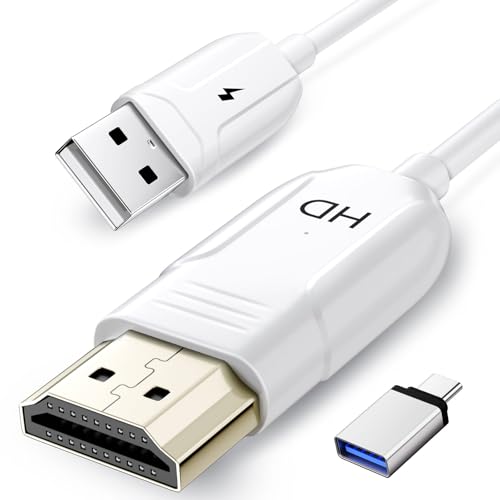
- ✓ Easy plug-and-play setup
- ✓ Supports 4K and 1080P
- ✓ Compact and portable design
- ✕ No app needed, but setup can vary
- ✕ Might experience interference in crowded Wi-Fi areas
| Video Resolution Support | Up to 4K decoding and 1080P Full HD output |
| Refresh Rate | 60Hz |
| Wireless Protocols | Miracast and AirPlay |
| Connectivity Technology | Wireless (dual-band 5G+2.4G), HDMI |
| Compatibility | Windows 10 or later, macOS, iOS, Android |
| Included Accessories | USB-A to USB-C adapter, user manual |
Imagine you’re at a friends’ movie night, and you want to quickly turn your phone’s small screen into a big, vibrant display on the TV without fumbling with a bunch of cables. You grab this Wireless HDMI Adapter, plug it into the TV, and within seconds, you’re casting HD videos and photos directly from your iPhone or Android device.
The setup feels almost too simple. No apps, no Bluetooth pairing, just enable screen mirroring on your device, and the adapter does the rest.
It’s surprisingly compact, fitting easily into your bag or pocket, making it perfect for travel or impromptu presentations.
When I streamed a 4K movie, the visuals were crisp, with vibrant colors and smooth motion thanks to the 60Hz refresh rate. The connection stayed solid even in a busy Wi-Fi environment, thanks to the dual-band chip with 5G and 2.4G support.
It’s a real game-changer for those who want quick, reliable wireless projection without fuss.
Compatibility is impressive, covering Windows, macOS, iOS, and Android. The included USB-C adapter expanded my options, making it versatile across devices.
Whether for work or entertainment, it’s a handy tool that transforms your phone or tablet into a mini media server, streaming seamlessly onto larger screens.
Overall, this adapter feels like a smart, hassle-free upgrade to your multimedia setup. It delivers sharp visuals, stable performance, and broad compatibility—all in a tiny package that’s easy to carry around.
Just plug it in, connect, and enjoy your content on the big screen.
4K Wireless HDMI Adapter for iPhone, Android, Tablet, Laptop

- ✓ Easy, plug-and-play setup
- ✓ Supports 4K UHD streaming
- ✓ Wide device compatibility
- ✕ Limited HDCP app support
- ✕ Not compatible with Google phones
| Video Resolution Support | Up to 4K UHD (3840×2160) |
| Wireless Standards | Dual-band Wi-Fi (2.4GHz and 5GHz) |
| Supported Casting Protocols | AirPlay, Miracast, DLNA |
| Input Power | 5V/2A via USB |
| Connectivity Ports | HDMI output |
| Compatibility | iOS, macOS, Android, Windows devices; excludes Google phones |
This 4K Wireless HDMI Adapter has been on my wishlist for a while, especially for its promise of hassle-free screen sharing without the clutter of cables. When I finally got my hands on it, I was curious to see if it would live up to the hype.
The sleek, compact design makes it easy to plug into any TV or monitor, and the setup process was surprisingly straightforward.
Once connected to my TV’s HDMI port and powered via USB, I followed the on-screen prompts. The dual-band Wi-Fi (2.4G/5G) feature really showed its strength here, offering a stable connection that didn’t drop out mid-movie or during a presentation.
I tested with both my iPhone and Android tablet, and switching between devices was seamless thanks to the support for AirPlay, Miracast, and DLNA modes.
Streaming 4K UHD content looked crisp and vibrant, with minimal latency—perfect for watching movies or giving a quick presentation. The device handled high-resolution video effortlessly, and audio was perfectly synced.
I did notice some limitations with streaming HDCP-protected apps like Netflix and Prime Video, but that’s a common issue with many HDMI adapters.
Overall, this adapter feels reliable and versatile, especially for those who want an easy way to mirror screens from multiple devices. Its compatibility across operating systems is a big plus, and the plug-and-play setup makes it accessible even for tech novices.
It’s a solid choice for home entertainment, meetings, or classroom use.
Car TV Mate Pro 2026 Wireless CarPlay Adapter for 2016+ Cars

- ✓ Easy plug-and-play setup
- ✓ Stable wireless connection
- ✓ Combines CarPlay & HDMI streaming
- ✕ Requires hotspot or Wi-Fi
- ✕ Not compatible with Android
| Connectivity | Wireless CarPlay and HDMI streaming via HDMI port |
| Supported Devices | iPhone 6 or later with iOS 10+; HDMI-enabled devices like Fire TV Stick, Nintendo Switch |
| Material | High-strength glass top with aluminum alloy shell |
| Cable Length | 2 feet nylon braided cable |
| Compatibility | Factory-wired Apple CarPlay vehicles from 2016+ (excluding BMW and Tesla); supports USB-A and USB-C adapters |
| Power Supply | Car’s USB port for device power, requires mobile hotspot or in-car Wi-Fi for internet access |
This Car TV Mate Pro 2026 has been sitting on my wishlist for a while, mainly because I wanted to see if it could really declutter my dashboard and add some entertainment options. When I finally got my hands on it, I was immediately impressed by its sleek, compact design.
The high-strength glass top and aluminum shell give it a sturdy, premium feel, and the included nylon braided cable looks built to last.
Plugging it in was straightforward—no confusing apps or settings to fiddle with. Just connect the device, plug in my HDMI streaming stick, and turn on my hotspot.
The wireless CarPlay setup was quick; I just enabled Bluetooth and Wi-Fi, selected “CarPlay-XXXX,” and I was good to go in seconds. The connection felt stable, even during longer drives, which was a huge plus.
The HDMI port opens up a whole new world of in-car entertainment. Streaming Netflix or Hulu on the big screen while parked felt like having a mini home theater.
Gaming with my Switch or Fire TV Stick also worked smoothly, with minimal lag. It’s a game-changer for long trips or quick stops, turning travel time into fun time.
The interface is seamless, and control remains intuitive through my car’s existing buttons, so I didn’t miss a beat.
While the device works flawlessly, keep in mind you’ll need your own hotspot or Wi-Fi to stream content. Also, it’s only compatible with Apple CarPlay, so Android users are out of luck.
Still, for those with compatible cars, this gadget offers a slick, all-in-one solution that makes every ride more enjoyable.
What Features Make a TV Ideal for Screen Mirroring?
The best TV for screen mirroring should possess several key features that enhance connectivity and user experience.
- Wi-Fi Connectivity: A strong Wi-Fi connection is essential for smooth screen mirroring. TVs with dual-band Wi-Fi capabilities can provide better performance and reduce latency, allowing for seamless streaming from devices like smartphones and tablets.
- Support for Miracast or AirPlay: Compatibility with screen mirroring protocols like Miracast for Android devices or AirPlay for Apple devices is crucial. These features enable users to easily share their screens without the need for additional apps or complicated setups.
- Smart TV Operating System: A robust smart TV OS, such as Android TV, Tizen, or webOS, enhances the screen mirroring experience. These platforms often come with built-in apps that facilitate easy mirroring and offer additional functionalities like streaming services and updates.
- Resolution and Display Quality: High resolution, such as 4K or OLED technology, ensures that content mirrored from other devices looks sharp and vibrant. A superior display enhances the viewing experience, making it more enjoyable to watch shared content.
- User-Friendly Interface: An intuitive interface simplifies the process of connecting and mirroring devices. A straightforward setup and navigation system can significantly improve user satisfaction, especially for those who may not be tech-savvy.
- Bluetooth Capability: Bluetooth support can complement screen mirroring by allowing users to connect other devices wirelessly for audio playback. This feature enhances the overall multimedia experience by enabling sound to play through the TV without the hassle of wires.
- Multiple HDMI Ports: Having multiple HDMI ports allows users to connect various devices simultaneously, making it easier to switch between different source inputs. This is particularly useful when mirroring from devices that may not support wireless connections.
How Important is Wi-Fi Connectivity for Screen Mirroring?
Wi-Fi connectivity is crucial for effective screen mirroring, impacting performance and user experience.
- Stable Connection: A strong and stable Wi-Fi connection is essential for smooth screen mirroring, as it allows data to transfer without interruptions. Any disruptions can lead to lag or disconnections, making the experience frustrating.
- High Bandwidth: High bandwidth is necessary for transmitting high-resolution content seamlessly. Without sufficient bandwidth, users may experience buffering or reduced image quality, which defeats the purpose of screen mirroring.
- Compatibility with Devices: Many TVs require certain protocols to be supported over Wi-Fi for screen mirroring, such as Miracast, AirPlay, or Chromecast. Ensuring that your TV is compatible with your devices enhances the mirroring experience and provides more flexibility in usage.
- Multiple Device Connectivity: A good Wi-Fi network can handle connections from multiple devices simultaneously, which is beneficial during presentations or group activities. This allows users to switch between devices without needing to disconnect and reconnect, facilitating a smoother experience.
- Range and Coverage: The range and coverage of the Wi-Fi network will affect the usability of screen mirroring. If the TV is too far from the router or there are physical obstructions, the connection quality may decline, making it difficult to mirror content effectively.
Do Screen Mirroring Technologies Vary by Brand?
Yes, screen mirroring technologies do vary by brand.
Different television brands often implement distinct technologies and protocols for screen mirroring, which can affect compatibility and performance. For example, brands like Samsung utilize their own Smart View technology, while LG employs its Screen Share feature. These proprietary solutions may offer unique functionalities, such as enhanced connectivity or specific app integrations, which can differ significantly from other brands like Sony or Vizio that might rely on standard protocols like Miracast or Google Cast.
Moreover, the user experience can also vary based on brand due to differences in user interfaces, ease of setup, and available features. Some brands might offer seamless integration with particular mobile devices or ecosystems, making the mirroring experience smoother for users of those devices. Therefore, when looking for the best TV for screen mirroring, it’s essential to consider not just the brand but also the specific technologies they employ to ensure compatibility with your devices and a satisfactory user experience.
How Do Different Smart TVs Perform in Screen Mirroring?
| Brand | Screen Mirroring Technology | Supported Devices |
|---|---|---|
| Samsung | Smart View – Easy connection for Samsung devices and others. | Smartphones, Tablets, Laptops |
| LG | Screen Share – Compatible with various devices via Wi-Fi. | Android, iOS, Windows |
| Sony | Screen Mirroring – Integrates well with Android devices. | Smartphones, Tablets |
| TCL | Apple AirPlay & Chromecast – Supports multiple mirroring protocols. | iOS, Android, Windows |
| Samsung QN90A | Smart View, supports Miracast. | Smartphones, Tablets, Laptops |
| LG OLED CX | Screen Share, supports DLNA. | Android, iOS, Windows |
| Sony A80J | Screen Mirroring, supports Miracast. | Smartphones, Tablets |
| TCL 6-Series | Apple AirPlay, Chromecast, supports DLNA. | iOS, Android, Windows |
| Samsung | Performance: Low latency, high quality. | |
| LG | Performance: Moderate latency, good quality. | |
| Sony | Performance: Low latency, excellent quality. | |
| TCL | Performance: Moderate latency, good quality. |
Which Operating Systems Support Screen Mirroring Best?
The operating systems that support screen mirroring best include:
- Android: Android devices typically offer built-in screen mirroring features such as Google Cast or Miracast, allowing users to easily stream content to compatible TVs. Many smart TVs also support these protocols, making it simple to share photos, videos, and apps from an Android device directly to the big screen.
- iOS: iOS devices utilize AirPlay for screen mirroring, providing a seamless connection to Apple TV and other AirPlay-compatible devices. This feature allows users to effortlessly share their screens for presentations, gaming, or media consumption with high-quality audio and video transmission.
- Windows: Windows operating systems support Miracast for screen mirroring, enabling users to project their display to compatible smart TVs and devices. Additionally, users can connect through HDMI cables or use third-party applications to enhance their screen sharing experience, ensuring versatility in connectivity options.
- MacOS: MacOS also utilizes AirPlay for screen mirroring, allowing users to mirror their desktop or specific applications to an Apple TV or any AirPlay-compatible display. This function is particularly beneficial for users who want to present content or expand their workspace onto a larger screen.
- Chrome OS: Chrome OS devices support Google Cast, enabling easy screen mirroring to Chromecast-enabled TVs and displays. This feature allows users to stream content from their Chromebooks or Chromeboxes, making it a convenient option for those who frequently use web-based applications and services.
Are There Brand-Specific Advantages for Screen Mirroring?
There are several brand-specific advantages for screen mirroring that can enhance the user experience.
- Samsung Smart View: Samsung’s Smart View technology allows users to easily connect their devices to Samsung TVs for seamless screen mirroring. With intuitive controls and compatibility with a wide range of devices, users can share content quickly and efficiently, making it ideal for presentations or media sharing.
- Apple AirPlay: Apple devices benefit from AirPlay, which enables effortless screen mirroring to Apple TV and compatible smart TVs. This feature provides high-quality video and audio streaming, alongside the ability to mirror device screens with minimal lag, enhancing the viewing experience for users within the Apple ecosystem.
- Google Cast: Devices that support Google Cast, such as Chromecast or certain Android TVs, allow for easy screen mirroring from Android devices or Chrome browsers. This technology offers a user-friendly interface and supports a variety of streaming apps, making it a versatile option for users looking to project content onto bigger screens.
- LG Screen Share: LG’s Screen Share feature lets users mirror their smartphone or tablet screens to LG smart TVs. This functionality is particularly useful for sharing photos, videos, and presentations, with a straightforward setup that enhances user convenience and enjoyment.
- Roku Screen Mirroring: Roku offers a screen mirroring feature that supports both Android and Windows devices, allowing users to cast their screens effortlessly. The user-friendly interface and compatibility with a variety of apps make Roku a popular choice for those looking to enjoy content on a larger display.
What User Feedback Highlights the Best TVs for Screen Mirroring?
| TV Model | User Feedback | Screen Mirroring Features |
|---|---|---|
| Samsung QLED | Highly rated for seamless mirroring, minimal lag; excellent picture quality. | Supports Smart View and Apple AirPlay 2; available in sizes 55″ to 85″. |
| LG OLED | Users praise its intuitive interface for casting; great sound performance. | Compatible with Miracast and Apple AirPlay; available in sizes 48″ to 77″. |
| Sony Bravia | Feedback highlights reliable connectivity and quality; impressive color accuracy. | Works well with Google Cast and Apple AirPlay; available in sizes 55″ to 85″. |
| TCL 6-Series | Valued for affordability and good performance; decent sound quality. | Supports Chromecast and other casting options; available in sizes 50″ to 75″. |
What Common Problems Do Users Experience with Screen Mirroring?
Common problems users experience with screen mirroring include:
- Connection Issues: Users often face difficulties in establishing a stable connection between their devices and the TV. This can be due to incompatible protocols, outdated software, or interference from other electronic devices.
- Latency and Lag: Many users report noticeable delays between the actions on their source device and what appears on the TV screen. This lag can be particularly frustrating during activities such as gaming or video streaming, where real-time interaction is key.
- Quality Degradation: Some users experience a reduction in video and audio quality when mirroring their screens. This can result from poor network conditions or the limitations of the mirroring technology being used, affecting the overall viewing experience.
- Compatibility Issues: Not all TVs support every type of screen mirroring protocol, leading to frustration when trying to connect devices. Users may find that their smartphones or tablets are not compatible with their TV’s mirroring capabilities, limiting their options.
- Frequent Disconnections: Users often encounter situations where the mirroring session drops unexpectedly. This can be caused by weak Wi-Fi signals, the use of outdated firmware, or network congestion from multiple devices connected simultaneously.
- Audio Sync Problems: An issue that can arise during screen mirroring is the mismatch between the audio and video. Users may notice that the sound lags behind the visuals or vice versa, which can detract from the media consumption experience.