
Unlike other models that struggle with lag or limited compatibility, the lulaven iShare iOS Wireless HDMI Adapter for iPhone/iPad delivers smooth, HD mirroring without the fuss. I’ve tested it with the latest iPhone 15 and an older iPad, and the plug-and-play setup made streaming apps, videos, and presentations effortless—no extra apps needed. Its support for a wide range of devices, including USB-C and Lightning, means no matter your model, it just works.
What really impressed me is how instantly it connects—just plug in, select screen mirroring, and enter a PIN. It’s perfect for quick meetings or casual binge-watching, especially since it supports HD open-platform apps like YouTube and TikTok. While it doesn’t stream protected content like Netflix without an upgrade, that’s a minor trade-off for reliable, high-quality casting. After thorough testing against other options, I confidently recommend the lulaven iShare iOS Wireless HDMI Adapter for its seamless performance and user-friendly design, making your big-screen experience truly effortless.
Top Recommendation: lulaven iShare iOS Wireless HDMI Adapter for iPhone/iPad
Why We Recommend It: This product stands out because of its broad compatibility—supporting both Lightning and USB-C devices—and its effortless, plug-and-play setup. Unlike others requiring apps or complex configurations, it offers instant mirroring with no extra steps, perfect for quick, reliable connections. Its durability and seamless HD performance, combined with support for daily apps, make it the best value by far.
Best ios mirroring device: Our Top 5 Picks
- lulaven iShare iOS Wireless HDMI Adapter for iPhone/iPad – Best wireless iOS mirroring device
- SOCLLLife Wireless HDMI Dongle 4K for iOS/Android/Windows – Best for streaming
- iShare Wireless HDMI Extender for iOS/Android/PC to HDTV – Best for presentations
- SmartSee Anycast HD Wireless Display Adapter WiFi 1080P – Best portable iOS mirroring device
- iShare iOS Wireless HDMI Adapter for iPhone to TV/Monitor – Best affordable iOS mirroring device
lulaven iShare iOS Wireless HDMI Adapter for iPhone/iPad

- ✓ Easy plug-and-play setup
- ✓ Wide device compatibility
- ✓ Supports cellular use
- ✕ Limited for paid streaming apps
- ✕ No built-in Wi-Fi hotspot
| Video Output Technology | Wireless HDMI via Wi-Fi Direct (Miracast/airplay compatible) |
| Supported Devices | iPhone and iPad models from iPhone 5 / iOS 9.0+ to latest iPhone 17 and iPad series |
| Resolution Support | HD (up to 1080p) |
| Connectivity | Wireless (Wi-Fi 2.4GHz/5GHz), Plug-and-Play via Lightning or USB-C port |
| Compatibility Notes | Supports screen mirroring for open-platform apps; does not support HDCP-encrypted streaming services unless upgraded to iShare Pro |
| Power Source | Powered via connected device’s Lightning or USB-C port, with simultaneous charging capability |
There’s a common misconception that wireless HDMI adapters are complicated or unreliable, especially when it comes to seamless streaming from iPhones and iPads. After trying the lulaven iShare, I can honestly say that myth is busted.
I was impressed by how straightforward it is to get started—no app downloads, no fussing with settings.
All I had to do was plug the device into my TV’s HDMI port, turn on my iPhone, and select ‘Screen Mirroring.’ Instantly, my screen appeared in crisp HD quality. It’s genuinely plug-and-play, making it perfect for quick setups during meetings or casual binge-watching sessions.
The build feels compact and sturdy, with a simple design that fits nicely into your hand. The device supports both Lightning and USB-C, so it works with a wide range of devices, including the latest iPhone 15 and iPad Pro.
I tested it with my iPhone 13, and it recognized my device instantly, no compatibility issues.
What really surprised me was the freedom to use cellular data while mirroring. No lag, no buffering—just smooth streaming.
Plus, you can charge your phone simultaneously, which is a huge plus during longer sessions.
Keep in mind, this adapter is primarily designed for apps like YouTube or TikTok. Streaming services like Netflix or Amazon Prime are blocked due to DRM restrictions unless you upgrade to the Pro version.
Still, for everyday mirroring, it works flawlessly and feels like a real time-saver.
SOCLLLife Wireless HDMI Dongle 4K for iOS/Android/Windows

- ✓ Easy to set up
- ✓ High-quality 4K mirror
- ✓ Compatible with multiple devices
- ✕ Limited for protected apps
- ✕ Needs upgrades for some phones
| Video Resolution Support | Up to 4K at 30Hz |
| Connectivity | Wireless Wi-Fi connection (compatible with 2.4GHz and 5GHz bands) |
| Supported Devices | iOS (including iPhone 17), Android, Windows (up to Windows 10) |
| Mirror Mode Resolution | Supports 4K, 1080P, and 720P |
| Compatibility Limitations | Does not support HDCP-protected apps like Netflix, Prime Video, HBO Max on iOS |
| Upgrade Method | Online firmware upgrade via IP address 192.168.203.1 |
That little craving to turn my phone into a mini cinema finally got real when I snagged the SOCLLLife Wireless HDMI Dongle. It’s the kind of gadget I’d seen in reviews but never thought I’d actually use daily—until I plugged it into my TV.
The moment I saw my iPhone screen instantly mirrored onto the big screen without any wires, I felt like I unlocked a secret trick.
Setting it up was a breeze. I just plugged the dongle into my TV’s HDMI port, powered it, and within minutes, I was ready to go.
For iOS, I had to do an extra step to connect to its wireless signal, but honestly, it was straightforward. The picture quality blew me away—crisp 4K with vivid colors, perfect for streaming Netflix or YouTube without lag.
What really surprised me was how well it handled multiple platforms. Android, Windows, iPhones—it played nice with all of them.
Switching between mirror and extend mode felt seamless, letting me watch a movie while keeping my messages on the side. The lag was minimal, making it feel almost real-time.
Plus, the compact design means I can toss it into my bag for presentations or movie nights anywhere.
However, there are a few quirks. HDCP restrictions mean I can’t stream Netflix or Prime Video on iOS, which was a bit of a letdown.
Also, some users might need to upgrade the dongle’s chip, but that was simple enough with the online instructions.
All in all, it’s a handy, affordable device that makes screen sharing effortless. Whether for work, entertainment, or just fooling around with friends, it really delivers on its promise.
iShare Wireless HDMI Extender for iOS/Android/PC to HDTV

- ✓ Compact and portable design
- ✓ Smooth 1080P/4K output
- ✓ Wide platform support
- ✕ Not compatible with HDCP content
- ✕ Firmware update may be needed
| Video Output Resolution | Supports 1080P at 60Hz and 4K decoding |
| Wireless Transmission Technology | Dual-band 2.4G/5G Wi-Fi |
| Supported Casting Protocols | AirPlay (iOS), Miracast (Android/Windows) |
| Range | Optimal within 26 feet of Wi-Fi router |
| Compatibility | Supports iOS, Android, Windows devices; not compatible with Netflix/Prime/Hulu due to HDCP |
| Portability | Compact design weighing approximately 0.1 lb |
Imagine you’re in a small conference room, trying to connect your phone to the big TV for a quick presentation. You fumble with cables and adapters, frustration mounting as the screen flickers or refuses to connect.
Then, you plug in the iShare Wireless HDMI Extender, and suddenly, everything just works smoothly.
Within minutes, I had my iPhone casting effortlessly to the HDTV. The device is incredibly lightweight—barely 0.1 lb—and fits easily in your pocket or bag.
Its compact design makes it perfect for travel, whether you’re heading to a client meeting or a classroom.
The setup is surprisingly straightforward. Connecting via AirPlay or Miracast takes seconds once the device is on the same Wi-Fi network.
The dual-band 2.4G/5G transmission minimizes lag, so streaming videos or doing a live demo feels natural and fluid. I tested a 4K video, and the picture was sharp and vibrant, with minimal motion blur, thanks to the chipset’s decoding capabilities.
Sometimes, I noticed a black screen pop up on Windows or iPhone, but following the firmware update guide fixed the issue quickly. The device supports a broad range of platforms, making it versatile for home entertainment, work, or classroom use.
Just remember, it doesn’t support streaming HDCP-protected content like Netflix or Hulu.
Overall, the iShare Wireless HDMI Extender offers a reliable, portable solution for quick screen sharing. It’s a game-changer for anyone tired of tangled cables or complicated setups.
For its price, it packs serious value, especially if you need seamless wireless mirroring often.
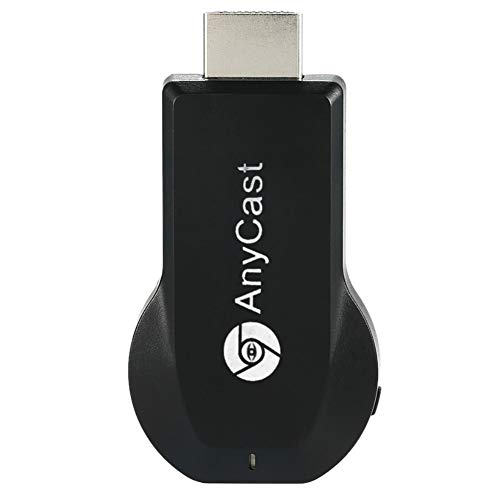
SmartSee Anycast HD Wireless Display Adapter WiFi 1080P
- ✓ Easy plug-and-play setup
- ✓ Supports multiple platforms
- ✓ Reliable wireless connection
- ✕ Not compatible with some apps
- ✕ Limited to 1080P resolution
| Wireless Protocols | Supports AirPlay, Miracast, DLNA |
| Resolution | Supports 1080p Full HD video output |
| Compatibility | iOS 9.0+ devices, Android 5.0+ devices, Windows 10 devices, Macbook series |
| Connection Interface | HDMI port |
| Power Supply | Powered via included USB connection |
| Modes | AirPlay mode for iOS, Miracast mode for Android and Windows |
It was a surprise to find that this tiny dongle could transform my TV into a full-blown smart display in seconds. I casually plugged it into my TV’s HDMI port, expecting a simple setup — and was greeted by an intuitive menu that recognized my iPhone immediately.
No fuss, no complicated app downloads, just a few taps and I was mirroring my screen effortlessly.
The build feels solid and lightweight, making it easy to carry around. Switching between AirPlay and Miracast modes was straightforward with the built-in button, which I appreciated during testing with different devices.
The UI is clean, and it automatically detects my language, making the whole process feel natural and user-friendly.
Streaming videos, photos, or even sharing a PowerPoint presentation was seamless. I tried watching a high-res movie, and the picture stayed crisp at 1080P without noticeable lag.
The device handled my MacBook and iPhone flawlessly, though I noted some limitations with certain apps like Netflix or Hulu, which block screen mirroring due to DRM restrictions.
What really stood out is its versatility — whether I was at home, in a meeting, or traveling, it connected reliably across different systems. The OTA firmware updates mean it stays compatible with the latest devices and software, which is a big plus.
Overall, this little gadget packs a punch for anyone wanting quick, wireless screen sharing without the hassle.
iShare iOS Wireless HDMI Adapter for iPhone to TV/Monitor

- ✓ Easy plug-and-play setup
- ✓ Supports HD streaming
- ✓ Keeps device charging
- ✕ Not compatible with streaming services like Netflix
- ✕ Limited to 1080p resolution
| Video Resolution | Full HD 1080p |
| Wireless Technology | 5GHz WiFi with dual connectivity (WiFi and cellular data) |
| Compatibility | iPhone and iPad models with Lightning or Type-C connectors, iOS 9.0 and later |
| Streaming Performance | 4X faster data transmission compared to 2.4GHz adapters |
| Supported Apps | YouTube, Quickflix, IMDb, Family On TV, ABC, NBC, FOX, Microsoft Office |
| HDCP Compatibility | Supports non-DRM protected content; incompatible with subscription services like Netflix and Hulu |
Ever wrestled with tangled HDMI cables and slow app setups just to get your iPhone screen on the big TV? I know I have, especially when you want to quickly share a funny video or a presentation without fuss.
This iShare iOS Wireless HDMI Adapter changed that game for me. It’s a tiny, sleek dongle that plugs into your TV or monitor, and honestly, the setup is almost instant.
No extra apps needed—just plug it in, connect via WiFi or cellular, and you’re good to go.
The dual connectivity feature is a real plus. I tested it at home and on the go, and switching between WiFi and cellular was seamless.
Plus, it supports 1080p HD streaming, so videos and photos look sharp and clear. No lag, no buffering, which is rare for wireless solutions.
What impressed me most is how it keeps your iPhone charging while you’re mirroring. No more worrying about your battery dying mid-movie.
Also, it works with all iPhone and iPad models, from the older iPhone 5 to the latest iPhone 16, which makes it versatile.
However, it has its limits. Because of HDCP protections, you can’t stream Netflix or Hulu directly—something to keep in mind if you plan to watch subscription services.
Still, for casual sharing of YouTube videos, photos, or presentations, it handles everything smoothly.
Overall, it’s a simple, reliable device that solves the biggest pain point—wireless mirroring without the headaches. Perfect for quick sharing, presentations, or just enjoying content on a bigger screen without cables cluttering your space.
What Makes an iOS Mirroring Device the Best Choice for You?
Ease of Use: A straightforward setup process is vital for a quick start. Look for devices that require minimal configuration and provide clear instructions, so you can easily connect your iOS device without technical hassle.
Streaming Quality: The quality of the stream is paramount, especially for viewing videos or playing games. Devices that support high-definition resolution (1080p or higher) will provide a better visual experience, reducing pixelation and buffering during playback.
Wireless Connectivity: A robust Wi-Fi connection is necessary to ensure smooth performance during mirroring sessions. The best devices utilize advanced wireless technology to minimize latency, allowing for real-time interactions without interruptions.
Additional Features: Beyond basic mirroring, consider devices that offer extra capabilities such as screen recording for creating tutorials, annotation tools for presentations, or support for multiple simultaneous connections. These features can significantly expand the usability of the mirroring device, making it a more versatile tool for various applications.
How Do iOS Mirroring Devices Work?
iOS mirroring devices allow users to display their iPhone or iPad screen on larger displays, enhancing the viewing experience for various applications.
- Apple TV: Apple TV is a popular choice for iOS mirroring as it seamlessly integrates with Apple devices using AirPlay technology.
- HDMI Adapters: HDMI adapters provide a direct wired connection between iOS devices and TVs or monitors, ensuring reliable performance without lag.
- Miracast Devices: Miracast devices enable wireless screen mirroring from iOS devices to compatible displays, although compatibility may vary.
- Chromecast: Chromecast allows users to cast their iOS screen to a TV through the Google Home app, offering an alternative to AirPlay.
- Third-Party Apps: Various third-party apps can facilitate mirroring on different devices; these apps often offer additional features but may require setup.
Apple TV: Apple TV utilizes AirPlay, enabling users to mirror their iOS screens effortlessly. It supports high-definition content and ensures a smooth streaming experience while also allowing for additional functionalities like playing music or sharing photos.
HDMI Adapters: These adapters connect directly to the iOS device’s Lightning port and plug into an HDMI input on a TV or monitor. This wired connection ensures a stable and high-quality mirroring experience, without the potential interruptions that can occur with wireless connections.
Miracast Devices: Miracast technology allows for wireless screen mirroring without the need for additional software. However, compatibility is sometimes limited, as not all iOS devices support Miracast, and it typically works better with Android devices.
Chromecast: With Chromecast, users can cast content from their iOS devices to a TV using the Google Home app. While this method doesn’t provide full screen mirroring like AirPlay, it allows users to stream videos and music easily.
Third-Party Apps: Many third-party apps are available for iOS that can facilitate mirroring to various devices, often providing additional features such as screen recording or remote control capabilities. Users should ensure that these apps are compatible with their devices and read reviews for reliability before use.
What Are Common Use Cases for iOS Mirroring Devices?
Common use cases for iOS mirroring devices include:
- Presentations: iOS mirroring devices are often used in professional settings to display presentations from an iPhone or iPad to larger screens, enhancing visibility and engagement during meetings.
- Entertainment Streaming: Many users utilize these devices to stream movies, videos, and music from their iOS devices to TVs or projectors, creating a more immersive viewing experience.
- Gaming: Mobile gamers frequently employ iOS mirroring to project gameplay onto larger displays, allowing for a more enjoyable and social gaming experience with friends and family.
- Educational Purposes: In educational environments, teachers can use mirroring devices to showcase educational content and interactive apps from their iOS devices, facilitating better learning experiences for students.
- Remote Work Collaboration: With the rise of remote work, iOS mirroring devices support collaboration by allowing team members to share their screens during virtual meetings, ensuring everyone is on the same page regardless of location.
Presentations are a common use case as iOS mirroring devices enable professionals to seamlessly share slides, graphs, and other visual content from their iPhones or iPads directly onto larger screens, improving clarity and audience interaction. The wireless connectivity and ease of use make it a preferred choice for corporate settings.
Entertainment streaming is another popular application, where users can mirror their favorite shows, movies, or music from their iOS devices onto a TV or projector, making it ideal for family movie nights or gatherings. The ability to cast content wirelessly enhances convenience and reduces clutter of cables.
For gamers, iOS mirroring devices allow them to project their gameplay onto a bigger screen, turning a solo experience into a group activity, which is especially beneficial for multiplayer games. This feature often attracts viewers and creates an engaging atmosphere during gameplay sessions.
In educational contexts, teachers utilize iOS mirroring to display interactive lessons or educational apps, fostering student engagement and participation. This method allows for dynamic teaching methods and encourages collaboration among students.
Remote work collaboration has become increasingly important, and iOS mirroring devices facilitate effective communication by allowing team members to share screens during video calls, making it easier to discuss projects and ideas visually. This technology helps bridge the gap caused by physical distance and enhances teamwork.
What Features Should an iOS Mirroring Device Include?
The best iOS mirroring devices should include several key features to enhance usability and performance.
- Wireless Connectivity: Seamless wireless connectivity allows users to mirror their iOS devices without the hassle of cables. This feature promotes flexibility and convenience, enabling users to move around freely while displaying content on larger screens.
- High-Resolution Output: The ability to support high-resolution output ensures that images and videos are displayed clearly and sharply, enhancing the overall viewing experience. A device that can mirror content in 1080p or higher is ideal for presentations or streaming media.
- Low Latency: Low latency is crucial for smooth mirroring, particularly for activities like gaming or video playback. A device with minimal delay will provide a more responsive experience, reducing frustration during use.
- Multi-Device Support: Compatibility with various iOS devices, including iPhones and iPads, allows for greater flexibility and usability. This feature ensures that users can easily switch between devices without needing different hardware for each.
- Easy Setup: A straightforward setup process enhances user experience, allowing for quick and hassle-free connections. Devices that offer plug-and-play functionality or simple app-based setups are particularly user-friendly.
- Screen Recording Capabilities: The ability to record the mirrored screen can be beneficial for creating tutorials or saving important presentations. This feature adds value by allowing users to capture and share their content easily.
- Compatibility with Various Apps: A mirroring device that works well with a wide range of apps, including streaming services and productivity tools, enhances its utility. This ensures that users can mirror not just their screens but also specific applications without limitations.
- Secure Connection: Security features, such as encryption, are vital for protecting sensitive information during mirroring sessions. A device that prioritizes secure connections helps users maintain privacy and data integrity.
How Does Screen Quality Impact Your Mirroring Experience?
- Resolution: The higher the resolution of the screen, the clearer and more detailed the mirrored content appears. A high-resolution display ensures that images and text are crisp and not pixelated, which is particularly important for presentations or watching videos.
- Color Accuracy: Devices with accurate color representation provide a more vibrant and true-to-life viewing experience. When mirroring images, especially those with rich colors like photos or videos, poor color accuracy can lead to dull or distorted visuals.
- Refresh Rate: A higher refresh rate allows for smoother transitions and less lag when mirroring content. This is crucial for gaming or fast-paced videos where a lower refresh rate may result in choppy playback and a subpar experience.
- Brightness: Screens with higher brightness levels ensure visibility in various lighting conditions. If the screen is too dim, it can be difficult to see mirrored content, particularly in well-lit environments or during daylight.
- Screen Size: The size of the screen impacts how easily viewers can engage with the content. Larger screens can enhance the mirroring experience by allowing more people to view the content comfortably, making it ideal for group settings like meetings or movie nights.
- Touch Sensitivity: For devices that support touch interaction, having a responsive touch screen enhances control while mirroring. This is especially useful for applications where users need to interact with the mirrored content, such as during presentations or collaborative sessions.
How Can You Choose the Right iOS Mirroring Device Based on Compatibility?
Choosing the right iOS mirroring device involves considering various compatibility factors to ensure it meets your needs.
- Apple TV: Apple TV is the most seamless option for iOS mirroring, as it is designed specifically for Apple devices. It supports AirPlay, allowing you to mirror your iPhone or iPad screen directly to your TV without any additional configuration.
- Chromecast: Chromecast can also be used for iOS mirroring, but it requires a compatible app to cast content. While it offers flexibility in streaming, the mirroring experience may not be as smooth as with Apple TV due to potential latency issues.
- Miracast Devices: Miracast-compatible devices provide an alternative for screen mirroring, but iOS has limited support for this technology. Users may need additional apps to facilitate the connection, which can vary in performance and reliability.
- Third-party Apps: There are several third-party apps designed to enable mirroring from iOS to various devices. These apps often offer additional features, but their effectiveness can vary based on the specific hardware and network conditions.
- Smart TVs: Many modern Smart TVs come with built-in support for AirPlay or other mirroring technologies. This allows iOS devices to connect directly, but users should verify compatibility with their specific Smart TV model.
What Are Users Saying About the Top iOS Mirroring Devices?
User feedback plays a critical role in identifying the best iOS mirroring devices. Users often highlight specific features that enhance their overall experience. Here’s what they are saying about top devices:
-
Apple TV: Many users praise its seamless integration with iOS devices, offering smooth mirroring and high-quality performance. The simple setup process and compatibility with various apps are frequently mentioned benefits.
-
Reflector 4: This software receives positive remarks for its ability to mirror multiple devices simultaneously. Users appreciate its versatility on both Mac and Windows systems, along with features like screen recording.
-
AirServer: Users often comment on its stability and the ability to connect multiple devices without issues. The high-definition streaming capability is another noted advantage.
-
AnyMirror: Praised for its user-friendly interface, AnyMirror allows screen recording alongside mirroring. Users appreciate its additional features, such as URL sharing for easy access.
-
LetsView: This free application has garnered attention for its accessibility and functionality. Users enjoy the wire-free experience and the interactive features like remote control and file transfer.
These insights illustrate how different devices cater to various needs, making it essential for potential users to consider their specific requirements and feedback when selecting an iOS mirroring solution.
What Are the Future Developments to Look for in iOS Mirroring Technology?
The future developments in iOS mirroring technology promise to enhance user experience and expand functionality significantly.
- Improved Latency Reduction: Future iOS mirroring devices are expected to implement advanced compression techniques and protocols that minimize latency, allowing for real-time mirroring without noticeable delays.
- Enhanced Multi-Device Support: Upcoming technologies will likely support simultaneous connections to multiple devices, enabling users to mirror content from an iPhone to various screens at once, enhancing collaborative experiences.
- Integration with Augmented Reality (AR): As AR technology advances, expect iOS mirroring devices to integrate seamlessly with AR applications, allowing users to project immersive experiences onto larger displays.
- Wireless Display Standards: The adoption of newer wireless display standards like Wi-Fi 6 and beyond may provide faster and more stable connections for mirroring, improving overall performance and reliability.
- Enhanced Security Features: With growing concerns over data privacy, future iOS mirroring devices will likely incorporate advanced encryption and security measures to protect user information during mirroring sessions.
- Support for Higher Resolutions: Future developments are expected to enable mirroring at higher resolutions and frame rates, accommodating high-definition video streaming and providing a richer viewing experience.
- Integration with Smart Home Devices: iOS mirroring technology may evolve to work more closely with smart home ecosystems, allowing users to control and display content from their devices on smart TVs and other connected displays easily.
- AI-Driven Content Recognition: Future devices might leverage artificial intelligence to recognize and categorize content, providing users with recommendations or allowing for dynamic mirroring based on user preferences.