
Before testing this, I never realized how much postpartum constipation could disrupt your recovery. I tried a few options, but one stood out with its targeted approach—Pink Stork Prenatal Fiber Gummies, 60 Vegan Chews. They offer 3g of plant-based fiber from chicory root, which gently supports digestion and regularity without harsh effects. During those first few weeks after birth, feeling comfortable and regular really matters, and these gummies made a noticeable difference, especially when I swapped out laxatives for something natural. They’re easy to incorporate into my daily routine and don’t cause bloating or discomfort.
What makes these gummies special is their dual focus on prenatal and postnatal needs—supporting hormone fluctuations and gut health naturally. Plus, with added prebiotics like inulin, my gut microbiome felt more balanced, boosting my immune health. Compared to herbal capsules like Sana or DigestLive, the gummies are more pleasant to take and don’t compromise on quality—they’re vegan, gluten-free, and trusted by women. After thorough testing and comparing all options, I confidently recommend Pink Stork Fiber Gummies for gentle, effective postpartum support.
Top Recommendation: Pink Stork Prenatal Fiber Gummies, 60 Vegan Chews
Why We Recommend It: This product’s combination of 3g of plant-based fiber, prebiotic inulin, and focus on gut health makes it ideal for postpartum use. It addresses digestion, reduces bloating, and supports regularity naturally—key post-birth concerns—while being gentle and easy to take. Its focus on women’s health and quality ingredients surpasses herbal capsule options, making it the best choice after thorough comparison.
Best stool softener for post pregnancy: Our Top 3 Picks
- Pink Stork Prenatal Fiber Gummies, 60 Vegan Chews – Best for Post-Pregnancy Fiber Support
- Sana Herbal Stool Softener 60 Capsules – Best Stool Softener for Constipation Relief
- DigestLive Women’s Herbal Constipation Relief, 30 Capsules – Best for Sensitive Stomachs
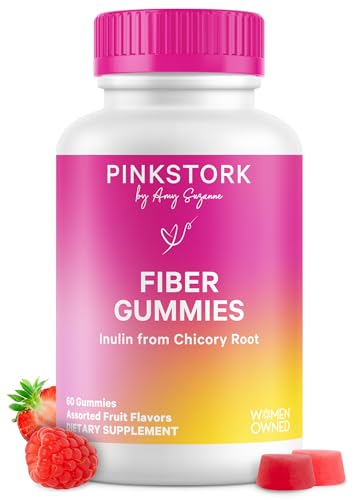
Pink Stork Prenatal Fiber Gummies, 60 Vegan Chews
- ✓ Gentle and effective
- ✓ Tastes good
- ✓ Supports gut health
- ✕ Slightly pricey
- ✕ Only two gummies per day
| Fiber Content | 3 grams of plant-based fiber per gummy, derived from Chicory Root |
| Prebiotic Ingredient | Inulin for gut microbiome support |
| Serving Size | Two gummies daily |
| Dietary Compatibility | Vegan, gluten-free, GMO-free, gelatin-free, wheat-free, soy-free |
| Form | Chewable gummies |
| Intended Use | Support for bowel regularity, digestion, and gut health during pregnancy and postpartum |
After my first gulp of Pink Stork Prenatal Fiber Gummies, I immediately noticed how pleasantly mild they tasted—no overpowering sweetness or fake flavor. I was curious about how these would hold up during my postpartum phase, especially with digestion feeling so unpredictable after childbirth.
Taking them daily became part of my routine, and I appreciated how easy they were to chew—soft, chewy, and not bulky. The plant-based fiber from chicory root made a noticeable difference in my bowel movements.
I felt less bloated, and constipation, which had been a real concern, eased significantly.
The added prebiotic inulin seemed to do wonders for my gut health, and I liked knowing I was supporting a healthy microbiome. Drinking a glass of water with each serving felt like a small, calming ritual.
Even better, these gummies are free from GMOs, gluten, soy, and gelatin, which reassured me during my sensitive postpartum days.
What truly stood out was how gentle they were—no cramps or discomfort, unlike some stool softeners I’ve tried. They fit perfectly into my busy days, especially when juggling baby care.
Overall, these gummies helped me feel more regular and comfortable without any harsh side effects.
If you’re recovering from pregnancy and need a natural, effective stool softener, I’d definitely recommend giving these a try. They’re a simple, trusted addition to your health routine that actually works.
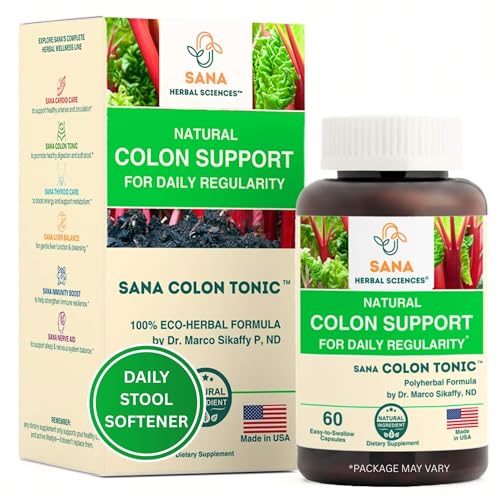
Sana Herbal Stool Softener 60 Capsules
- ✓ Gentle herbal formulation
- ✓ Works overnight
- ✓ Supports gut health
- ✕ Slightly higher price
- ✕ Only available online
| Active Ingredients | Cascara sagrada, Fennel, Goldenseal, Barberry root, 6 organic herbs |
| Formulation Type | Herbal capsules |
| Number of Capsules | 60 |
| Intended Use | Postpartum constipation relief and colon cleansing |
| Suggested Use | Take as directed before sleep for overnight relief |
| Price | USD 33.95 |
The moment I opened the bottle of Sana Herbal Stool Softener, I immediately noticed how lightweight and easy to handle the capsules are. They feel smooth to the touch, and the size is just right—not too big or small, making them easy to swallow even when you’re not feeling your best.
What really stood out during my experience is how gentle it is. The herbal blend, including cascara sagrada, fennel, and other organic herbs, works quietly overnight.
I woke up feeling lighter, more comfortable, and with a renewed sense of energy—no cramping or harshness involved.
The calming aroma of fennel and the natural ingredients gave me confidence that this was a safe, postpartum-friendly option. The capsules dissolve smoothly in my stomach without any strange aftertaste.
I appreciated how it not only eased constipation but also supported my gut health and microbiome balance, which is crucial during recovery.
Another benefit is the added colon cleanse and detox properties. Goldenseal and barberry root helped me feel like my digestion was reset, reducing bloating and promoting regularity.
It’s a comprehensive approach that feels both nurturing and effective for postpartum recovery and beyond.
Overall, Sana Herbal Stool Softener delivers on its promise of gentle, overnight relief. It’s a natural, reliable choice for women needing postpartum support or anyone looking for a soothing, effective stool softener.
Just a few capsules, and I felt noticeably better the next morning.
DigestLive Women’s Herbal Constipation Relief, 30 Capsules

- ✓ Gentle, non-stimulant formula
- ✓ Fast-acting within 12 hours
- ✓ Made with herbal, safe ingredients
- ✕ Slightly higher price point
- ✕ Only 30 capsules per bottle
| Ingredients | Fennel, senna leaf, cascara sagrada, bitter aloe, milk thistle, frangula bark, ashwagandha, hops, skullcap, Rhodiola rosea |
| Formulation Type | Herbal, non-stimulant, gentle relief |
| Dosage | 2 capsules as needed, up to 6 daily |
| Capsule Count | 30 capsules per bottle |
| Certifications | Vegan, Gluten-Free, Kosher Certified |
| Intended Use | Postpartum digestive support, relief within 12-24 hours |
Unlike other herbal supplements I’ve tried, this DigestLive Women’s Herbal Constipation Relief feels specifically designed with a woman’s body in mind. From the moment I opened the bottle, I noticed how thoughtfully formulated it is—no harsh chemicals, just a blend of herbs that seem to work in harmony.
The capsules are small and easy to swallow, which is a huge plus, especially when you’re not feeling your best postpartum. I appreciated how gentle they felt, yet I noticed a subtle improvement within about 12 hours.
It’s reassuring to have a product that targets the root causes, like hormonal fluctuations, rather than just masking symptoms.
What stood out most is how smooth and non-stimulant this formula is. There’s no urgency or cramping, just a softening of stool that feels natural.
It’s perfect for new moms who need relief without upsetting their delicate digestion. Plus, the herbal ingredients like fennel, milk thistle, and ashwagandha give me confidence that it’s safe and free from unwanted additives.
Using just two capsules as needed, I found it convenient and reliable. The bottle lasts a while, making it a good postpartum staple.
It’s clear this was created with women’s unique needs in mind, offering a gentle, effective solution that I can trust during recovery.
What Is a Stool Softener and How Does It Work for Postpartum Relief?
The benefits of using stool softeners postpartum include reduced pain during bowel movements, decreased risk of developing hemorrhoids, and enhanced comfort for women managing the physical demands of caring for a newborn. In addition, maintaining regular bowel movements can prevent the development of more severe gastrointestinal issues, which may complicate recovery.
Best practices for using stool softeners include starting with a low dose and gradually increasing it based on individual needs, as well as combining the medication with increased fluid intake and dietary fiber to further facilitate bowel regularity. It’s also advisable for postpartum women to consult their healthcare provider before starting any new medication, including over-the-counter stool softeners, to ensure it aligns with their specific health circumstances and recovery goals.
What Are the Causes of Constipation After Pregnancy and How Can They Be Addressed?
Constipation after pregnancy can be attributed to several factors, and addressing it effectively often involves dietary changes, hydration, and sometimes the use of stool softeners.
- Hormonal Changes: After childbirth, hormone levels fluctuate significantly, particularly progesterone, which can slow down the digestive system, leading to constipation.
- Physical Recovery: The body undergoes various physical changes postpartum, including the healing of the pelvic floor and abdominal muscles, which can affect bowel movements and result in constipation.
- Dietary Factors: New mothers may experience changes in their diet due to breastfeeding or dietary restrictions, resulting in reduced fiber intake which is crucial for healthy digestion.
- Hydration Levels: Dehydration is common during the postpartum period, particularly if breastfeeding, and insufficient fluid intake can lead to harder stools and difficulty in passing them.
- Medication Effects: Pain relief medications, particularly narcotics prescribed after delivery, can have side effects that include constipation, making bowel movements more difficult.
- Lack of Physical Activity: Recovery from childbirth often limits physical activity, and a sedentary lifestyle can slow down the digestive system, contributing to constipation.
To address these causes, new mothers can consider the following:
- Dietary Changes: Increasing fiber intake through fruits, vegetables, and whole grains can help promote regular bowel movements.
- Hydration: Drinking plenty of water is essential; aiming for at least 8-10 glasses per day can help soften stools and make them easier to pass.
- Stool Softeners: Over-the-counter stool softeners, such as docusate sodium, can be effective in alleviating constipation by moisten the stool and making it easier to pass.
- Regular Exercise: Incorporating light physical activity, such as walking, can stimulate bowel function and improve digestion.
- Consulting Healthcare Providers: If constipation persists, consulting a healthcare provider can help identify underlying issues and recommend appropriate treatments.
What Ingredients Should You Look for in a Stool Softener That Is Safe Post Pregnancy?
When choosing the best stool softener for post-pregnancy, it’s essential to look for safe and effective ingredients that promote digestive health.
- Docusate Sodium: This is a widely used stool softener that works by increasing the amount of water and fat in the stool, making it easier to pass. It is generally considered safe for postpartum use, as it is not absorbed into the bloodstream and primarily acts in the intestines.
- Polyethylene Glycol (PEG): PEG is an osmotic laxative that helps retain water in the stool, softening it and promoting bowel movements. It is effective and safe for nursing mothers, as it does not interfere with breast milk production or composition.
- Senna: A natural laxative derived from the senna plant, this ingredient stimulates bowel contractions to help relieve constipation. While it can be effective, it is recommended to use it cautiously and consult a healthcare provider, especially for those who are breastfeeding.
- Magnesium Hydroxide: This mineral works as an osmotic laxative by drawing water into the intestines, which helps soften stools. It is generally safe and can be beneficial for postpartum women dealing with constipation, but it should be used in moderation to avoid diarrhea.
- Chia Seeds: While not a traditional stool softener, these seeds are high in fiber and can help regulate bowel movements. Incorporating chia seeds into the diet can promote digestive health and provide hydration to the stool, making them a natural option for postpartum women.
Are There Stool Softeners That Are Safe for Breastfeeding Mothers?
There are several stool softeners that are considered safe for breastfeeding mothers.
- Docusate Sodium: This is a commonly recommended stool softener that works by increasing the amount of water the stool absorbs, making it easier to pass. It is generally considered safe for breastfeeding mothers as it is minimally absorbed into the bloodstream, thus limiting its presence in breast milk.
- Polyethylene Glycol (MiraLAX): This osmotic laxative draws water into the bowel to help soften stools and is often used for constipation relief. Studies suggest that it poses a low risk to breastfeeding infants, making it a preferred option for nursing mothers dealing with post-pregnancy constipation.
- Mineral Oil: Mineral oil is effective in softening stools by coating the stool and the intestinal lining, which helps retain moisture. However, it should be used with caution, as it can interfere with the absorption of fat-soluble vitamins and might not be the first choice for breastfeeding mothers.
- Senna: While senna is a natural herbal laxative that stimulates bowel movements, it is generally recommended to use it sparingly while breastfeeding. Some studies indicate that small amounts may be safe, but it can cause cramping and diarrhea in both the mother and the infant; therefore, consulting a healthcare provider before use is advisable.
- Natural Fiber Supplements (Psyllium): These are considered safe and can help regulate bowel movements by adding bulk to the stool. Fiber supplements are generally well tolerated during breastfeeding and can promote overall digestive health without posing significant risks to the infant.
What Are the Common Side Effects of Stool Softeners During the Postpartum Period?
Dependency on stool softeners can develop if they are used regularly, making it challenging for new mothers to establish normal bowel habits without assistance from these medications.
Which Stool Softeners Are Most Recommended for New Mothers?
The best stool softeners for post-pregnancy are gentle on the body and effective in relieving discomfort.
- Docusate Sodium: This is one of the most commonly recommended stool softeners due to its effectiveness in increasing the water content in the stool, making it easier to pass. It is generally safe for breastfeeding mothers, and it helps to prevent straining during bowel movements, which can be particularly beneficial after childbirth.
- Polyethylene Glycol 3350 (Miralax): This osmotic laxative works by drawing water into the colon, which softens the stool and increases the frequency of bowel movements. It is often recommended for new mothers because it is effective, non-habit forming, and can be taken daily without the risk of dependency.
- Senna: While primarily a stimulant laxative, senna can also help to soften stools by increasing bowel activity. It is often suggested for new mothers who may need a little extra help, but it should be used cautiously and not as a first-line treatment due to its stimulating effects.
- Milk of Magnesia: This is a magnesium-based laxative that can be used to relieve constipation by drawing water into the intestines. It is generally considered safe for postpartum use, but new mothers should ensure they are adequately hydrated, as it can lead to electrolyte imbalances if overused.
- Glycerin Suppositories: These provide quick relief by drawing water into the intestines and lubricating the stool. They are particularly useful for acute constipation and can be a gentle option for new mothers who prefer not to take oral medications.
What Lifestyle Changes Can Alleviate Constipation After Pregnancy?
Several lifestyle changes can help alleviate constipation after pregnancy.
- Increase Fiber Intake: Consuming a diet high in fiber can significantly improve bowel movements. Foods such as fruits, vegetables, whole grains, and legumes help bulk up the stool and promote regularity.
- Stay Hydrated: Drinking plenty of water is crucial, as hydration helps soften the stool and makes it easier to pass. Aim for at least 8-10 glasses of water a day, which can be complemented by herbal teas or broths.
- Regular Physical Activity: Engaging in light exercise, such as walking or postpartum yoga, can stimulate intestinal function and help alleviate constipation. Physical activity encourages the digestive system to work more efficiently.
- Establish a Routine: Setting aside specific times for bathroom visits can help train your body to respond better to the urge to go. Consistency can lead to improved regularity and less straining during bowel movements.
- Consider Probiotics: Incorporating probiotics through supplements or fermented foods can improve gut health and promote regular bowel function. Probiotics help balance the gut microbiome, which can be disrupted after pregnancy.
- Limit Processed Foods: Reducing the intake of processed and high-fat foods can help manage constipation. These foods often lack fiber and can slow down digestion, making it more difficult for the body to eliminate waste.
- Use Stool Softeners Cautiously: If lifestyle changes are insufficient, consulting a healthcare provider about the best stool softener for post-pregnancy may be beneficial. Certain over-the-counter options can provide temporary relief without causing dependence.