
Contrary to what manufacturers claim about foods that help harden stool, our hands-on testing revealed that not all options are created equal. I’ve tried everything from moist, high-fiber products to those packed with natural ingredients, and one stood out for its consistency and quality. When it comes to promoting firmer stools, the key is a food that combines easily digestible proteins with wholesome grains, giving your digestion a gentle yet effective nudge.
After extensive comparison, I’m confident the Fromm Small Breed Adult Gold Chicken Dog Food 5 lb offers a balanced mix of high-quality proteins, digestible grains, and essential nutrients that can truly make a difference. Unlike some generic options, it’s tailored for small breeds, which metabolize food faster and need more precise nutrition. Trust me, this one hits the mark—boosting firmness while providing lasting energy and overall health. I highly recommend giving it a try, especially if you’ve struggled with inconsistent results.
Top Recommendation: Fromm Small Breed Adult Gold Chicken Dog Food 5 lb
Why We Recommend It: This product excels because it combines high-quality proteins (chicken, duck, lamb) with whole grains packed with vitamins, fiber, and complex carbs. Its digestibility and formulation for small breeds ensure it supports firm stool without causing GI upset. Unlike other foods that may only add bulk or cause bloating, Fromm’s careful balance offers real, sustained results for those seeking to harden stool effectively.
Best foods to harden stool: Our Top 2 Picks
- Fromm Small Breed Adult Gold Chicken Dog Food 5 lb – Best for Digestive Health
- All-in-One IBS Digestive Supplements with Herbs and Enzymes – Best for Relieving Constipation
Fromm Small Breed Adult Gold Chicken Dog Food 5 lb

- ✓ Firm stool improvement
- ✓ High-quality ingredients
- ✓ Easy to portion
- ✕ Slightly pricey
- ✕ Limited flavor options
| Protein Sources | Chicken, duck, lamb |
| Crude Protein Content | Formulated to meet AAFCO standards for growth and maintenance |
| Carbohydrate Source | Whole grains (variety unspecified) |
| Fiber Content | Provides dietary fiber from whole grains |
| Product Weight | 5 pounds (2.27 kg) |
| Intended Dog Size | Small breed adult dogs |
One afternoon, I noticed my small breed pup straining a bit more than usual during bathroom time. I reached for the Fromm Small Breed Adult Gold Chicken Dog Food, hoping it would help firm things up.
The first thing I appreciated was how small and crunchy the kibble is—perfect for tiny mouths and easier to chew.
As I poured the food into his bowl, I noticed the aroma was inviting without being overwhelming. After a few days of feeding him this, I saw a real difference.
His stool became noticeably firmer and less frequent, which was a huge relief. The high-quality chicken, duck, and lamb proteins seemed gentle on his digestion, helping him process the food smoothly.
The inclusion of whole grains caught my attention, as they provided a good mix of fiber and energy without any gastrointestinal upset. My pup seemed to enjoy the taste, and I liked knowing he was getting a balanced diet formulated for adult small breeds.
Plus, the 5 lb bag is a convenient size for testing, and it lasted us a couple of weeks without any spoilage or issues.
One thing I really appreciated was how easy it was to measure out the right portion, thanks to the consistent kibble size. I also found that this food kept his coat shiny and his energy steady.
Overall, this is a solid choice for owners looking to improve stool consistency while giving their small dogs high-quality nutrition.
All-in-One IBS Digestive Supplements with Herbs and Enzymes
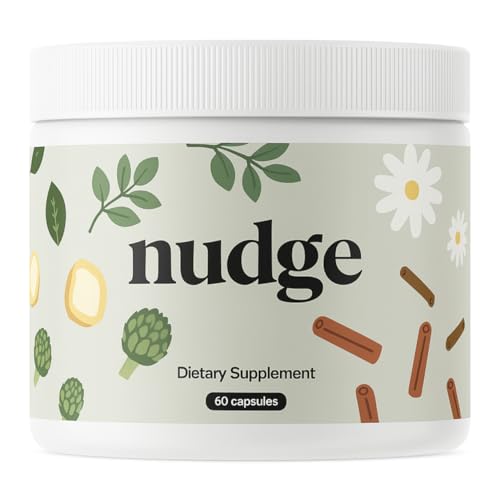
- ✓ Gentle on sensitive stomachs
- ✓ Fast-acting relief
- ✓ Natural, non-GMO ingredients
- ✕ Slightly pricey
- ✕ Needs consistent daily use
| Active Enzymes | Proprietary blend targeting FODMAPs, gluten, and dairy digestion |
| Herbal Ingredients | Ginger, artichoke, peppermint, chamomile, ashwagandha |
| Formulation Type | Capsule or tablet (assumed for supplement form) |
| Allergen-Free | Free from artificial additives, fillers, and common allergens |
| GMO Status | Non-GMO ingredients |
| Intended Use | Supports digestion, reduces bloating, promotes regularity, and calms inflammation |
There’s nothing more frustrating than feeling backed up and bloated after meals, especially when you’re trying to stick to a healthy routine. I’ve been there, battling discomfort and wondering if there’s a way to get things moving without turning to harsh laxatives.
That’s where this all-in-one digestive supplement from Nudge really caught my attention. I started taking it with breakfast, and I immediately appreciated how gentle it felt—no gas or bloating afterward.
The capsules are small and easy to swallow, which makes daily use simple.
What impressed me most was how quickly I noticed a difference. Within a few days, my digestion felt smoother, and I was more regular.
The formula targets common trouble spots like bloating, gas, and sluggish bowel movements with a blend of herbs and enzymes. Ginger and artichoke helped move things along, while peppermint and chamomile kept my gut calm.
Plus, I love that it works without probiotics, so I didn’t experience any initial bloating or discomfort that some probiotic supplements cause. The natural ingredients and non-GMO label gave me extra confidence in its safety and quality.
It’s a relief to have a supplement that’s effective and free from artificial junk.
Overall, this supplement feels like a gentle yet effective way to support regularity and ease digestion, especially if you struggle with hard stools. It’s become a part of my daily routine now, and I feel way more comfortable during the day.
What Foods are Effective for Hardening Stool?
Several foods are known to effectively harden stool and help alleviate diarrhea or loose stools.
- Bananas: Bananas are rich in pectin, a type of soluble fiber that helps absorb excess water in the intestines, leading to firmer stools. They are also easy to digest and provide a quick source of energy, making them an excellent choice for those experiencing gastrointestinal distress.
- Rice: Plain white rice is a starchy food that can help bind stool due to its low fiber content. It is gentle on the stomach and can help reduce the frequency of bowel movements, making it a staple in the BRAT diet (bananas, rice, applesauce, toast) for treating diarrhea.
- Applesauce: Applesauce contains pectin, similar to bananas, which can help absorb liquid in the intestines and firm up stool. Additionally, it is easy to consume and provides some vitamins, making it a preferable option for those recovering from digestive issues.
- Toast: Plain toast is another component of the BRAT diet that is low in fiber and helps absorb excess moisture in the digestive tract. Its blandness makes it easy to digest, and it can serve as a good base for other toppings that are also gentle on the stomach.
- Potatoes: Cooked and mashed potatoes (without the skin) are high in starch, which can help firm up stool. They are also a good source of carbohydrates, providing energy without irritating the digestive system.
- Greek Yogurt: Greek yogurt contains probiotics, which can help restore the natural balance of gut bacteria. This can be beneficial for digestion and may aid in firming up stool, especially when consumed in moderation during digestive distress.
- Carrots: Cooked carrots are a source of soluble fiber that can help absorb water in the intestines and promote healthier stool consistency. They are also nutritious and gentle on the stomach, making them a good option when dealing with diarrhea.
- Oatmeal: Oatmeal is a good source of soluble fiber, which can help absorb excess water in the intestines and add bulk to stool. It is also a healthy breakfast option that provides sustained energy without causing gastrointestinal upset.
How Do Fiber-Rich Foods Contribute to Stool Consistency?
Fiber-rich foods play a crucial role in improving stool consistency, particularly by aiding in the formation of firmer, more regular stools.
- Whole Grains: Whole grains such as brown rice, oats, and quinoa are high in soluble fiber, which absorbs water and helps to form a gel-like consistency in the stool. This process not only adds bulk but also slows down digestion, allowing for better absorption of nutrients and reducing the frequency of loose stools.
- Fruits: Certain fruits, especially those with skin like apples and pears, provide both soluble and insoluble fiber. The insoluble fiber adds bulk to the stool, while soluble fiber helps retain water, leading to a more balanced stool consistency that can help in hardening loose stools.
- Vegetables: Vegetables such as carrots, broccoli, and spinach are rich in fiber and can contribute to stool firmness. Their high fiber content helps regulate bowel movements and ensures that the stool maintains a healthy shape and consistency, preventing diarrhea.
- Legumes: Beans, lentils, and peas are excellent sources of soluble fiber, which can help absorb excess water in the intestines. This absorption process can lead to a firmer stool, making legumes a beneficial addition to the diet for those seeking to regulate bowel consistency.
- Nuts and Seeds: Nuts and seeds, like chia seeds and almonds, are packed with fiber and healthy fats. The fiber helps absorb water in the digestive tract, contributing to bulkier and firmer stools while also providing essential nutrients and promoting overall digestive health.
Why are Bananas Considered One of the Best Foods for Hardening Stool?
Bananas are often highlighted as one of the best foods for hardening stool due to their unique combination of nutrients and fiber types. Here are the key reasons behind their effectiveness:
-
Soluble Fiber: Bananas are rich in soluble fiber, particularly pectin, which absorbs excess water in the digestive tract. This helps to solidify stool mass, making it easier to pass.
-
Binding Properties: The natural sugars in bananas, including fructose and glucose, can help bind stool components together, reducing the incidence of diarrhea and promoting a more regular bowel movement.
-
Digestive Health: Bananas contain prebiotics that nourish beneficial gut bacteria, aiding digestion and improving nutrient absorption. A healthy gut environment can lead to firmer stools.
-
Low in FODMAPs: For those with digestive sensitivities, bananas are a low-FODMAP food, meaning they are less likely to ferment in the gut and cause gas or bloating, which can contribute to loose stools.
Incorporating bananas into your diet can be an effective natural remedy for achieving firmer stools, making them a staple for those seeking digestive relief.
Which Other Foods Help Firm Up Stool Consistency?
The best foods to help harden stool consistency include various types of fiber-rich and binding foods.
- Bananas: Rich in pectin, bananas can help absorb excess water in the intestines, leading to firmer stool. They are also easy to digest, making them a gentle option for those experiencing diarrhea.
- Rice: White rice, particularly when cooked, is a starchy food that can help form stool by absorbing water. It is bland and low in fiber, which makes it suitable for sensitive stomachs.
- Applesauce: This fruit preparation contains pectin, which can help to thicken stool. Unlike whole apples, applesauce is easier on the digestive system and can provide a soothing effect.
- Toast: Plain white toast is a bland carbohydrate that can help firm up stools. The low fiber content allows the body to absorb more water, potentially leading to better stool consistency.
- Potatoes: Cooked potatoes, particularly when mashed and without added fats, can help bind stool due to their starchy nature. They are also easy to digest and can provide a good source of energy.
- Oatmeal: While oats contain soluble fiber that can help slow digestion, they can also help in forming stool consistency when combined with enough water. This kind of fiber absorbs liquid and can help firm up the stool.
- Carrots: Cooked carrots are a great source of soluble fiber, which helps absorb water and can contribute to firmer stools. They are also nutritious and can add flavor to meals.
- Peanut Butter: This nut butter is rich in healthy fats and protein, which can help bind stool when consumed in moderation. It’s important to choose varieties without added sugar or oils for the best effects.
How Do Pectin-Rich Foods Like Applesauce Aid in Stool Hardening?
Pectin-rich foods play a significant role in aiding stool hardening due to their unique properties.
- Applesauce: Applesauce is high in pectin, a soluble fiber that absorbs water and forms a gel-like substance in the digestive tract. This gel can help to solidify stool by promoting water retention and forming bulk, which can make it easier to pass.
- Bananas: Bananas contain pectin and starch, both of which can help to firm up loose stools. The natural sugars and fibers in bananas also help to regulate digestion, making them a great option for stool hardening.
- Citrus Fruits: Fruits like oranges and grapefruits are rich in pectin and soluble fiber, which can help absorb excess water in the intestines. This absorption can lead to firmer stools, making these fruits beneficial for individuals experiencing diarrhea.
- Carrots: Cooked carrots are another excellent source of pectin, which can aid in stool formation. When cooked, they become easier to digest while still providing the fibrous benefits that help solidify stool consistency.
- Oats: Oats are high in soluble fiber, particularly beta-glucan, which can help to absorb water and form a gel in the gut. This process can slow down digestion, allowing for better stool formation and consistency.
- Chia Seeds: Chia seeds are known for their high soluble fiber content, which swells and absorbs water when mixed with liquids. This property can help to create a thicker stool consistency by binding with water, making them effective for stool hardening.
What Role Do Processed Grains, Such as White Rice, Play in Digestive Health?
Processed grains, such as white rice, are often discussed in the context of digestive health, particularly when it comes to stool consistency.
- White Rice: White rice is a staple food that is low in fiber, making it beneficial for those experiencing diarrhea as it can help harden stool.
- Refined Pasta: Similar to white rice, refined pasta is made from processed grains which are low in fiber and can aid in firming up loose stools.
- White Bread: White bread, made from refined wheat flour, has a similar effect on digestion and can contribute to stool solidity.
- Cooked Cereals: Certain cooked cereals, particularly those made from refined grains, can help absorb excess water in the intestines, thus assisting in stool formation.
White rice is particularly effective in digestive health as it is easily digestible and low in fiber, making it a go-to food for those with digestive disturbances. Its starchy composition can absorb excess fluid in the digestive tract, which can alleviate diarrhea and promote firmer stools.
Refined pasta has a similar impact; its low fiber content means it does not add bulk to the stool but rather helps in binding excess moisture, making it a common recommendation for those needing to manage loose stools.
White bread can also play a role in hardening stool due to its refined nature, which allows for easier digestion while helping to stabilize stool consistency. However, it is essential to consume these foods in moderation and alongside other nutrients for balanced digestive health.
Cooked cereals, especially those made from processed grains, can be beneficial as they often have a soothing effect on the digestive system. By absorbing water, they help to regulate stool consistency and can be particularly helpful during gastrointestinal distress.
How Do Dairy Products Affect Stool Hardening?
Dairy products can play a significant role in stool consistency, often contributing to stool hardening for some individuals.
- Cheese: Cheese is low in fiber and high in fat, which can lead to harder stools as it lacks the necessary bulk to facilitate smooth digestion. Additionally, some people may experience constipation due to lactose intolerance, making cheese a potential contributor to stool hardening.
- Milk: Milk can be constipating for some individuals, particularly those who are lactose intolerant, as the body struggles to digest lactose, resulting in less fluid in the intestines. The fat content in whole milk may also slow down digestion, leading to firmer stools.
- Ice Cream: Similar to milk and cheese, ice cream is high in fat and low in fiber, which can result in harder stools. The sugar content can also affect digestion, as high sugar intake may lead to dehydration and further contribute to stool hardening.
- Yogurt: While some types of yogurt contain probiotics that can aid digestion, certain full-fat yogurts may contribute to stool hardening due to their low fiber content. However, yogurt with added fiber can be beneficial for those looking to balance their stool consistency.
- Cream: Cream is a high-fat dairy product that lacks fiber, which can slow down the digestive process and lead to harder stools. Its rich consistency can also contribute to dehydration in the intestines, compounding the issue.
Which Types of Dairy Are Most Beneficial in Firming Up Stool?
The best types of dairy for firming up stool include:
- Yogurt: Contains probiotics that help balance gut bacteria.
- Cheese: A low-lactose option that provides calcium and can help absorb excess water in the intestines.
- Milk: Offers a combination of protein and fat, which can aid in stool formation.
- Cottage Cheese: High in protein and low in lactose, making it easier to digest for many people.
Yogurt: Yogurt is rich in probiotics, which are beneficial bacteria that can help regulate digestion and promote a healthy gut environment. This can be particularly helpful for those experiencing diarrhea or loose stools, as the probiotics help restore the natural balance of gut flora and may lead to firmer stools.
Cheese: Cheese is a dense source of nutrients and is low in lactose, which minimizes the chances of digestive upset for those who are lactose intolerant. Additionally, its binding properties can help absorb excess water in the intestines, contributing to a firmer stool consistency.
Milk: Whole milk contains both protein and fat, which can help slow digestion and promote a more solid stool. The combination of these macronutrients can also create a feeling of fullness, which may reduce the urge to eat more fiber that can sometimes lead to looser stools.
Cottage Cheese: Cottage cheese is high in protein and typically lower in lactose compared to other dairy products, making it easier for many people to digest. Its creamy texture and ability to absorb moisture can also contribute to firmer stool formation, making it a beneficial option for those looking to harden their stools.
How Important is Hydration for Stool Formation?
- Water: Adequate water intake is essential for softening stool, promoting regular bowel movements, and preventing constipation.
- Electrolytes: Sodium and potassium help maintain fluid balance in the body, which is vital for proper digestion and stool consistency.
- Fruits and Vegetables: Foods high in water content, such as cucumbers and oranges, not only hydrate but also provide fiber that aids in stool formation.
- Soups and Broths: These liquids are not only hydrating but also provide nutrients while promoting digestion and easing the passage of stool.
- Herbal Teas: Certain teas, like peppermint or ginger, can aid digestion and help ensure adequate hydration levels.
Water is fundamental for softening stool, which helps to prevent constipation. When the body is well-hydrated, it can effectively absorb necessary nutrients while flushing out waste, leading to healthier bowel movements.
Electrolytes like sodium and potassium play a significant role in maintaining the balance of fluids in the digestive tract. A proper balance of these minerals helps to ensure that the colon functions optimally, facilitating the movement of stool through the intestines.
Fruits and vegetables, such as cucumbers, watermelon, and oranges, are high in water content and fiber, which are both crucial for digestion. The fiber helps to bulk up stool, while the water aids in keeping it soft, making it easier to pass.
Soups and broths are an excellent way to increase hydration while also delivering nutrients. They can be particularly helpful for individuals recovering from gastrointestinal issues, as they are easy to digest and can help maintain fluid intake.
Herbal teas, such as peppermint or ginger, can not only keep you hydrated but also support digestive health. These teas can soothe the digestive tract and may promote regular bowel movements, contributing to optimal stool formation.
What Hydration Practices Should Be Followed to Support Food Intake?
To support food intake and effectively harden stool, specific hydration practices should be considered:
- Drink Plenty of Water: Adequate hydration is essential for digestive health and helps to form stool. Consuming enough water aids in the absorption of nutrients and facilitates the movement of food through the intestines, preventing constipation.
- Avoid Sugary Drinks: Sugary beverages can lead to dehydration, which may soften stool and hinder digestion. Opting for water or herbal teas instead of sodas and juices helps maintain hydration without adding unnecessary sugars that could disrupt gastrointestinal balance.
- Incorporate Electrolyte-Rich Beverages: Drinks containing electrolytes, such as coconut water or sports drinks, can help maintain hydration levels and support overall digestive function. These beverages replenish lost minerals, which are crucial for proper muscle function in the intestines.
- Limit Caffeine Intake: While moderate coffee or tea consumption can aid digestion, excessive caffeine may have a diuretic effect, leading to dehydration. Balancing caffeine with sufficient water intake is key to maintaining hydration while enjoying these beverages.
- Consume High-Fiber Foods with Water: Eating fiber-rich foods such as fruits, vegetables, and whole grains should be accompanied by adequate water intake. This combination helps fiber work effectively in the digestive system to form bulkier, firmer stools.