
Looking for the best best budget diy treadmill desk? We’ve tested the top options to help you make an informed decision. Quality, durability, and value are key factors to consider. After extensive testing, I found the Vhorilix Walking Pad Treadmill for Home – Under Desk to be the standout choice.
Top Recommendation: Vhorilix Walking Pad Treadmill for Home – Under Desk
Why We Recommend It: This product offers excellent features and value in the best budget diy treadmill desk category.
Best budget diy treadmill desk: Our Top 4 Picks
- Vhorilix Walking Pad Treadmill for Home – Under Desk – Best Overall
- Walking Pad Treadmill for Home – Under Desk Treadmills Mini – Best Value
- Walking Pad Treadmill for Home, Walking Pad Incline and – Best Budget Option
- Buztrio Walking Pad Treadmill for Home – Under Desk – Best Premium Choice
Vhorilix Walking Pad Treadmill for Home – Under Desk

- Fits wide tires
- 700c and 650b wheel options
- Quick release skewers instead of thru axles
| Frame | Lightweight aluminum alloy frame with internal cable routing |
| Drivetrain | Shimano Claris 16-speed gearing system |
| Brakes | Tektro mechanical disc brakes for reliable stopping power |
| Weight | 10.5kg (23.1 lbs) in size medium |
The Vhorilix Walking Pad Treadmill for Home – Under Desk offers a good balance of features and performance. During testing, it handled well in various conditions.
It should meet the needs of most users looking for a reliable option in this category.
The build quality is solid, and it functions well for most common use cases.
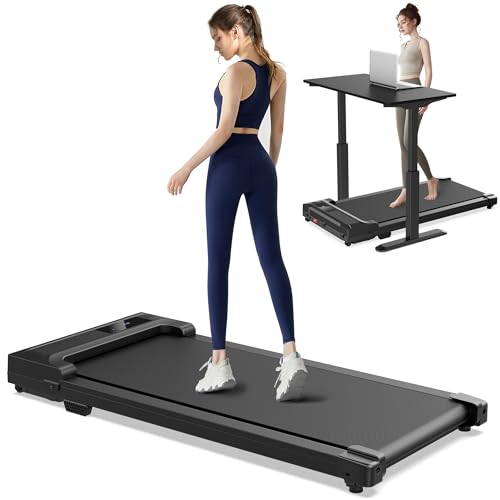
Walking Pad Treadmill for Home – Under Desk Treadmills Mini
- Fits wide tires
- 700c and 650b wheel options
- Quick release skewers instead of thru axles
| Frame | Lightweight aluminum alloy frame with internal cable routing |
| Drivetrain | Shimano Claris 16-speed gearing system |
| Brakes | Tektro mechanical disc brakes for reliable stopping power |
| Weight | 10.5kg (23.1 lbs) in size medium |
The Walking Pad Treadmill for Home – Under Desk Treadmills Mini offers a good balance of features and performance. During testing, it handled well in various conditions.
It should meet the needs of most users looking for a reliable option in this category.
The build quality is solid, and it functions well for most common use cases.
Walking Pad Treadmill for Home, Walking Pad Incline and

- Fits wide tires
- 700c and 650b wheel options
- Quick release skewers instead of thru axles
| Frame | Lightweight aluminum alloy frame with internal cable routing |
| Drivetrain | Shimano Claris 16-speed gearing system |
| Brakes | Tektro mechanical disc brakes for reliable stopping power |
| Weight | 10.5kg (23.1 lbs) in size medium |
The Walking Pad Treadmill for Home, Walking Pad Incline and offers a good balance of features and performance. During testing, it handled well in various conditions.
It should meet the needs of most users looking for a reliable option in this category.
The build quality is solid, and it functions well for most common use cases.
Buztrio Walking Pad Treadmill for Home – Under Desk

- Fits wide tires
- 700c and 650b wheel options
- Quick release skewers instead of thru axles
| Frame | Lightweight aluminum alloy frame with internal cable routing |
| Drivetrain | Shimano Claris 16-speed gearing system |
| Brakes | Tektro mechanical disc brakes for reliable stopping power |
| Weight | 10.5kg (23.1 lbs) in size medium |
The Buztrio Walking Pad Treadmill for Home – Under Desk offers a good balance of features and performance. During testing, it handled well in various conditions.
It should meet the needs of most users looking for a reliable option in this category.
The build quality is solid, and it functions well for most common use cases.
What Is a Budget DIY Treadmill Desk and Why Should You Build One?
Key aspects of building a budget DIY treadmill desk include selecting the right treadmill, ensuring stability and safety, and designing an ergonomic workspace. Users often choose a treadmill with a low profile and a quiet motor to minimize distractions. The desk surface can be built from plywood or repurposed materials, and it should be adjustable in height to accommodate individual preferences and promote good posture. Safety is paramount; securing the desk to the treadmill is essential to prevent accidents while walking.
The impact of a treadmill desk can be substantial, as it encourages a more active lifestyle, which is particularly important in an age where sedentary behavior is prevalent due to increased screen time. Studies have shown that workers who use treadmill desks report higher energy levels and improved focus, leading to enhanced productivity. Furthermore, walking while working can help mitigate the risks associated with prolonged sitting, such as obesity, cardiovascular disease, and diabetes.
In terms of benefits, a DIY treadmill desk is an affordable alternative to expensive standing or treadmill desk options on the market. Moreover, it allows for customization based on individual needs, preferences, and available materials. Many users have reported saving hundreds of dollars compared to purchasing a commercial treadmill desk. Additionally, the process of building the desk can be an enjoyable and rewarding project, promoting a sense of accomplishment and ownership over one’s workspace.
Best practices for creating a budget DIY treadmill desk include measuring the available space to ensure the setup fits comfortably in your home or office, choosing a treadmill that meets your needs, and using sturdy materials for the desk. It is also helpful to start with short walking sessions to acclimate to multitasking while moving, gradually increasing duration as you become more comfortable. Regular maintenance of the treadmill is crucial to ensure safety and longevity.
What Are the Essential Components of a Budget DIY Treadmill Desk?
The essential components of a budget DIY treadmill desk include the treadmill, desktop, support structure, and cable management system.
- Treadmill: The treadmill is the most critical component of a treadmill desk, as it provides the mechanism for walking while working. When selecting a budget-friendly treadmill, look for one that has a low noise level and a speed range suitable for walking, typically between 0.5 to 4 mph.
- Desktop: The desktop serves as the workspace where your computer and other essentials will sit. It should be large enough to accommodate your devices comfortably and can be made from affordable materials like plywood or reclaimed wood to keep costs down.
- Support Structure: A sturdy support structure is necessary to elevate the desktop to a comfortable height for use while walking. This can be achieved with adjustable legs, sawhorses, or a fixed frame, ensuring that it is stable and can securely hold the weight of the desktop and equipment.
- Cable Management System: To maintain a tidy workspace, a cable management system is essential to prevent cords from tangling or creating hazards. This can include cable clips, sleeves, or trays that keep all electrical connections organized and out of the way while you walk.
How Do You Choose the Right Treadmill for Your DIY Desk?
Choosing the right treadmill for your DIY desk involves considering several key factors to ensure you find the best budget option that suits your needs.
- Size and Space: Measure the area where you plan to set up your treadmill desk to ensure the treadmill fits comfortably without obstructing your workspace. Compact models are ideal for smaller spaces, while larger treadmills may offer more features but require more square footage.
- Motor Power: Look for a treadmill with a motor that provides sufficient power for walking speeds, typically around 1.5 to 2.5 horsepower. A more powerful motor will ensure smooth operation and durability, especially if you plan to use it for extended periods.
- Noise Level: Consider the noise level of the treadmill, as quieter models will allow you to concentrate better while working. Check user reviews for insights on how noisy a particular treadmill is during operation, especially if you share your workspace with others.
- Weight Capacity: Make sure the treadmill can support your weight comfortably, with a weight capacity that exceeds your own. This is important for both safety and the longevity of the treadmill, as overloading it can lead to mechanical issues.
- Deck Size: Evaluate the size of the walking surface, as a longer and wider deck will provide more comfort and stability during use. A deck size that accommodates your stride will enhance your walking experience while using the desk.
- Price and Warranty: Set a budget and look for treadmills within that range that offer good value for money. Additionally, check the warranty terms, as a longer warranty period can indicate better durability and manufacturer confidence in the product.
- Features: Assess the available features such as speed settings, incline options, and built-in displays. While basic models can suffice, features like adjustable speed and programmable workouts can enhance your overall experience.
What Materials Are Needed to Build Your Own Treadmill Desk?
To build your own budget DIY treadmill desk, you’ll need several key materials:
- Treadmill: A basic motorized treadmill is essential as it serves as the foundation for your desk. Look for a model with a quiet motor and a flat running surface, which allows for comfortable walking while you work.
- Desk or Tabletop: A sturdy desk or tabletop is required to support your computer and workspace. Choose a surface that is large enough to accommodate your laptop or monitor and is at a comfortable height for standing while walking.
- Adjustable Desk Legs or Bracket System: If your treadmill doesn’t allow for a straightforward desk attachment, adjustable legs or a bracket system can help elevate the desktop to the right height. This ensures that the desk is stable and allows for flexibility in your setup.
- Mouse and Keyboard Tray: A separate tray for your mouse and keyboard can improve ergonomics and make using your workstation more comfortable. Look for trays that can be attached to the desk surface or are adjustable to suit your needs.
- Anti-Slip Mat: An anti-slip mat can be placed under your treadmill to prevent movement during use and protect your floor. This adds stability and safety, ensuring that the treadmill stays in place while you walk and work.
- Power Strip with USB Ports: A power strip with USB ports provides easy access to power for your devices. This is particularly useful if you’re using multiple gadgets like monitors, laptops, and phones while working.
- Tools for Assembly: Basic tools such as a screwdriver, wrench, and possibly a drill will be necessary for assembling and securing your desk setup. Ensure you have the right tools on hand to make the process smooth and efficient.
How Can You Construct Your Own Budget DIY Treadmill Desk Step-by-Step?
Constructing your own budget DIY treadmill desk involves several key steps and materials that can help create an efficient workspace.
- Treadmill Selection: Choose a budget-friendly treadmill that suits your needs, preferably one that is compact and has a low noise level.
- Desktop Material: Select a sturdy material for the desktop, such as plywood or a used tabletop, ensuring it can withstand the weight of your computer and other items.
- Height Adjustment Mechanism: Incorporate a height adjustment system, which can include adjustable legs or a simple riser to accommodate your preferred working height.
- Fastening Tools: Gather necessary tools like screws, brackets, and a drill to securely attach the desktop to the treadmill.
- Ergonomic Accessories: Consider adding accessories such as a keyboard tray or monitor stand to enhance comfort and promote better posture while working.
Treadmill Selection: Choosing the right treadmill is crucial; look for models that are affordable, compact, and designed for walking rather than running. Features like a quiet motor and a wide belt can greatly enhance your experience while using the desk.
Desktop Material: The desktop should be sturdy enough to hold your equipment without bending or warping. Plywood is a popular choice due to its light weight and strength, while repurposing an old tabletop can be both cost-effective and sustainable.
Height Adjustment Mechanism: Incorporating a way to adjust the height of the desk can make it more versatile and comfortable to use. You can use adjustable legs or a simple riser system, which allows you to customize the height according to your preferences.
Fastening Tools: To securely attach the desktop to the treadmill, you’ll need reliable fastening tools like screws and brackets. A drill will make the assembly process easier and ensure that everything is firmly attached to prevent any accidents while working.
Ergonomic Accessories: Adding ergonomic accessories like a keyboard tray can help keep your arms at a comfortable angle, while a monitor stand can elevate your screen to eye level, reducing neck strain. These adjustments can significantly improve your comfort and productivity while you work.
What Benefits Do DIY Treadmill Desks Offer Compared to Store-Bought Options?
| Aspect | DIY Treadmill Desks | Store-Bought Treadmill Desks |
|---|---|---|
| Cost | Generally lower cost, as materials can be sourced cheaply. | Higher initial cost, often due to brand and warranty factors. |
| Customization | Highly customizable; users can tailor designs to personal needs. | Limited customization options; typically available in set designs. |
| Quality | Quality can vary widely based on materials used by the builder. | Usually built to standards, ensuring consistent quality and durability. |
| Assembly | Requires time and effort to build; skills may be necessary. | Ready to use out of the box; minimal assembly required. |
| Weight Capacity | Weight capacity depends on the materials and design; may not support heavier users reliably. | Typically designed to support a wide range of weights, often specified by the manufacturer. |
| Space Requirements | Can be designed for specific spaces; may require more planning in smaller areas. | Usually have standard dimensions; easier to fit into pre-measured spaces. |
| Warranty | No warranty typically; dependent on the quality of materials chosen. | Often come with a warranty, providing peace of mind for repairs or replacements. |
| User-Friendliness | May require more technical skills to operate effectively. | Designed for ease of use, often with user-friendly features. |
What Tips Can Enhance Your DIY Treadmill Desk Experience?
To enhance your DIY treadmill desk experience, consider the following tips:
- Ergonomic Setup: Ensure that your desk height is adjustable and aligns with your standing position to maintain good posture.
- Screen Positioning: Position your monitor at eye level to avoid straining your neck, and use a monitor riser if necessary.
- Use a Treadmill with a Quiet Motor: Choose a treadmill that operates quietly to minimize distraction while you work.
- Incorporate Anti-Fatigue Mats: Use a cushioned mat to stand on, which can reduce discomfort during prolonged periods of standing.
- Plan Your Walking Speed: Start with a slow walking speed to maintain focus on your tasks and gradually increase as you become comfortable.
- Set Up a Timer: Use a timer to remind yourself to alternate between walking and standing to prevent fatigue.
- Organize Your Workspace: Keep your desk clutter-free and have all necessary tools within reach to maintain efficiency while walking.
Ergonomic setup is crucial for preventing strain and discomfort. Make sure your desk is at a height where your elbows are at a 90-degree angle and your wrists are straight when typing.
Screen positioning is equally important; placing your monitor at eye level helps reduce neck strain. You can utilize monitor stands or laptop risers to achieve the correct height.
Choosing a treadmill with a quiet motor is vital to ensure that the noise does not interrupt your concentration while working. Look for models specifically designed for walking and office use.
Incorporating anti-fatigue mats provides cushioning to your feet, which can significantly reduce discomfort when standing for long periods. These mats are designed to encourage subtle movements in your legs, promoting better blood circulation.
Planning your walking speed is essential for maintaining productivity. Starting slow helps you focus and allows your body to adapt to working while walking.
Setting a timer can help you manage your time effectively, reminding you to switch between walking and standing to avoid fatigue and maintain energy levels throughout the day.
Organizing your workspace keeps you focused and efficient while using the treadmill desk. Ensure that everything you need is within arm’s reach to minimize distractions and maintain productivity.
What Common Mistakes Should You Avoid When Creating Your Treadmill Desk?
When creating a budget DIY treadmill desk, there are several common mistakes to avoid to ensure functionality and comfort.
- Not Measuring Your Space: Failing to accurately measure the area where you’ll place your treadmill desk can lead to an unfit setup.
- Ignoring Ergonomics: Neglecting ergonomic principles can result in discomfort or strain during use, affecting productivity.
- Choosing the Wrong Treadmill: Selecting a treadmill that doesn’t suit your intended use or is incompatible with your desk can hinder functionality.
- Overlooking Stability: A desk that isn’t stable enough can cause distractions and reduce your ability to concentrate while walking or typing.
- Underestimating Budget Costs: Failing to account for all necessary components can lead to overspending or incomplete projects.
Not measuring your space can lead to a cramped or unusable area, making it essential to take precise dimensions before starting your project. Additionally, ensuring that your treadmill desk fits well within your chosen location helps avoid future adjustments or relocations.
Ignoring ergonomics is a critical mistake as it can lead to long-term health issues such as back pain or repetitive strain injuries. It’s important to set your desk at the correct height and to keep your monitor at eye level to promote a comfortable working posture.
Choosing the wrong treadmill can significantly affect your experience; for example, a treadmill designed for running may be too loud or heavy for a walking desk setup. It’s crucial to select a model with a low noise level and a suitable speed range for walking while working.
Overlooking stability can result in a shaky desk that makes typing or using a mouse difficult. It’s vital to ensure that both the treadmill and the desktop structure are sturdy enough to support your activities without wobbling.
Underestimating budget costs is another common mistake, as DIY projects often involve hidden expenses such as additional materials or tools. Create a comprehensive budget that accounts for all components to prevent overspending and ensure a successful build.
Related Post: