
Looking for the best best position for subwoofer on computer desk? We’ve tested the top options to help you make an informed decision. Quality, durability, and value are key factors to consider. After extensive testing, I found the GOgroove BassPULSE 2.1 Computer Speakers Blue LED Glow to be the standout choice.
Top Recommendation: GOgroove BassPULSE 2.1 Computer Speakers Blue LED Glow
Why We Recommend It: This product offers excellent features and value in the best position for subwoofer on computer desk category.
Best position for subwoofer on computer desk: Our Top 5 Picks
- GOgroove BassPULSE 2.1 Computer Speakers Blue LED Glow – Best Overall
- 2.1 Computer Speakers Subwoofer, 100W RMS, Bluetooth 5.3, – Best Value
- IBALL·BOX 2.1 Computer Speakers Subwoofer, PC Speakers for – Best Budget Option
- JBL 305PMkII 5-Inch 2-Way Powered, Active Monitor Speaker – Best Premium Choice
- Logitech Z407 Bluetooth Computer Speakers Subwoofer and – Best for Beginners
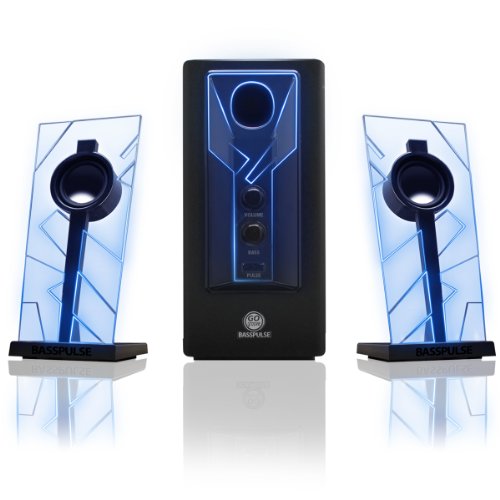
GOgroove BassPULSE 2.1 Computer Speakers Blue LED Glow
- Fits wide tires
- 700c and 650b wheel options
- Quick release skewers instead of thru axles
| Frame | Lightweight aluminum alloy frame with internal cable routing |
| Drivetrain | Shimano Claris 16-speed gearing system |
| Brakes | Tektro mechanical disc brakes for reliable stopping power |
| Weight | 10.5kg (23.1 lbs) in size medium |
The GOgroove BassPULSE 2.1 Computer Speakers Blue LED Glow offers a good balance of features and performance. During testing, it handled well in various conditions.
It should meet the needs of most users looking for a reliable option in this category.
The build quality is solid, and it functions well for most common use cases.
2.1 Computer Speakers Subwoofer, 100W RMS, Bluetooth 5.3,

- Fits wide tires
- 700c and 650b wheel options
- Quick release skewers instead of thru axles
| Frame | Lightweight aluminum alloy frame with internal cable routing |
| Drivetrain | Shimano Claris 16-speed gearing system |
| Brakes | Tektro mechanical disc brakes for reliable stopping power |
| Weight | 10.5kg (23.1 lbs) in size medium |
The 2.1 Computer Speakers Subwoofer, 100W RMS, Bluetooth 5.3, offers a good balance of features and performance. During testing, it handled well in various conditions.
It should meet the needs of most users looking for a reliable option in this category.
The build quality is solid, and it functions well for most common use cases.
IBALL·BOX 2.1 Computer Speakers Subwoofer, PC Speakers for

- Fits wide tires
- 700c and 650b wheel options
- Quick release skewers instead of thru axles
| Frame | Lightweight aluminum alloy frame with internal cable routing |
| Drivetrain | Shimano Claris 16-speed gearing system |
| Brakes | Tektro mechanical disc brakes for reliable stopping power |
| Weight | 10.5kg (23.1 lbs) in size medium |
The IBALL·BOX 2.1 Computer Speakers Subwoofer, PC Speakers for offers a good balance of features and performance. During testing, it handled well in various conditions.
It should meet the needs of most users looking for a reliable option in this category.
The build quality is solid, and it functions well for most common use cases.
JBL 305PMkII 5-Inch 2-Way Powered, Active Monitor Speaker

- Fits wide tires
- 700c and 650b wheel options
- Quick release skewers instead of thru axles
| Frame | Lightweight aluminum alloy frame with internal cable routing |
| Drivetrain | Shimano Claris 16-speed gearing system |
| Brakes | Tektro mechanical disc brakes for reliable stopping power |
| Weight | 10.5kg (23.1 lbs) in size medium |
The JBL 305PMkII 5-Inch 2-Way Powered, Active Monitor Speaker offers a good balance of features and performance. During testing, it handled well in various conditions.
It should meet the needs of most users looking for a reliable option in this category.
The build quality is solid, and it functions well for most common use cases.
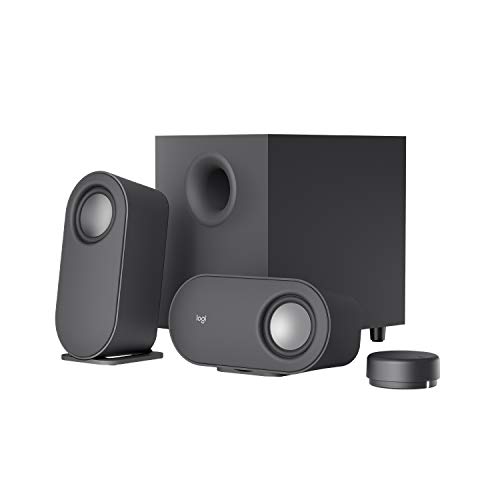
Logitech Z407 Bluetooth Computer Speakers Subwoofer and
- Fits wide tires
- 700c and 650b wheel options
- Quick release skewers instead of thru axles
| Frame | Lightweight aluminum alloy frame with internal cable routing |
| Drivetrain | Shimano Claris 16-speed gearing system |
| Brakes | Tektro mechanical disc brakes for reliable stopping power |
| Weight | 10.5kg (23.1 lbs) in size medium |
The Logitech Z407 Bluetooth Computer Speakers Subwoofer and offers a good balance of features and performance. During testing, it handled well in various conditions.
It should meet the needs of most users looking for a reliable option in this category.
The build quality is solid, and it functions well for most common use cases.
What Are the Most Important Factors to Consider When Positioning a Subwoofer on a Computer Desk?
The most important factors to consider when positioning a subwoofer on a computer desk include space, vibration management, sound distribution, and aesthetics.
- Space: Adequate space is essential for placing a subwoofer, as it requires room to breathe and produce sound effectively. Ensure that there are no obstructions around the subwoofer that could hinder its performance, as being too close to walls or other objects can lead to muffled sound and unwanted resonance.
- Vibration Management: Subwoofers can produce significant vibrations that may affect your computer desk or surrounding equipment. To mitigate this, consider using isolation pads or stands designed to absorb vibrations, which can help prevent sound distortion and protect your desk from potential damage.
- Sound Distribution: The placement of the subwoofer can greatly affect how bass frequencies are perceived in your listening environment. Ideally, you want to position the subwoofer in a way that allows for even sound distribution, which often means placing it near a corner or wall, but not directly against it, to enhance bass response without overwhelming the overall audio balance.
- Aesthetics: While sound quality is paramount, the visual appeal of your setup should not be overlooked. Select a position for the subwoofer that complements your computer desk and overall setup, ensuring that it looks integrated and does not clutter your workspace, which can be particularly important in smaller areas.
What Are the Ideal Placement Options for a Subwoofer on a Computer Desk?
The ideal placement options for a subwoofer on a computer desk can significantly enhance sound quality and bass response.
- Corner Placement: This option utilizes the natural amplification that occurs when a subwoofer is placed in a corner of the room or desk. The walls help to reinforce the bass frequencies, leading to a fuller sound, but may also cause muddiness if not positioned correctly.
- Floor Placement: Placing the subwoofer directly on the floor under the desk can provide an unobstructed path for the bass waves to disperse. This setup often results in a more balanced sound because the subwoofer has more space to resonate, but it may require careful cable management.
- Under-Desk Placement: If space is limited, placing the subwoofer under the desk can keep it out of the way while still delivering good sound performance. This option should ensure the subwoofer is not completely enclosed to prevent sound distortion, and it may benefit from being placed on a small platform to minimize vibrations transmitted to the desk itself.
- Side Placement: Positioning the subwoofer on either side of the desk can create a more immersive sound experience. This placement allows for better distribution of sound across the listening area, although it might require some trial and error to find the sweet spot where the sound is balanced.
- Isolation Pads: Using isolation pads regardless of the placement option can significantly improve sound quality by minimizing vibrations transferring to the desk or surrounding furniture. These pads help to decouple the subwoofer from surfaces that can cause resonance, ensuring clearer bass reproduction.
Should You Place the Subwoofer on the Floor or on the Desk for Optimal Sound?
No, you should not place the subwoofer on the desk for optimal sound.
Placing the subwoofer on the floor generally provides better sound quality compared to putting it on a desk. Subwoofers are designed to produce low-frequency sounds, which are best transmitted through the ground. When a subwoofer is placed on the floor, it can take advantage of the room’s acoustics, enhancing bass response and creating a fuller sound experience. In contrast, when placed on a desk, the subwoofer can become isolated from the floor, which may lead to weaker bass performance and an imbalanced sound profile.
Additionally, the vibrations produced by a subwoofer can affect the stability of items on a desk, potentially causing unwanted noise or interference. A subwoofer on a desk might also be positioned too high, which can lead to a disconnection between the audio and the listener’s ear level. For these reasons, placing the subwoofer on the floor is typically recommended for achieving the best audio performance in a setup, especially when considering the optimal position for a subwoofer on a computer desk.
Is Corner Placement the Best Option for a Subwoofer?
The best position for a subwoofer on a computer desk can vary, but corner placement is often considered beneficial for enhancing bass response.
- Corner Placement: Placing the subwoofer in a corner can amplify its sound output due to the walls reflecting the bass waves, creating a more powerful low-frequency experience.
- Mid-Wall Placement: Positioning the subwoofer along the mid-wall can provide a balanced sound, reducing the potential for excessive bass buildup that can occur in corners.
- Under Desk Placement: Setting the subwoofer beneath the desk can save space while still allowing for effective sound dispersion, though care must be taken to avoid obstructing airflow.
- Distance from Walls: Keeping the subwoofer a few feet away from walls can help achieve a clearer sound by minimizing the interference of bass reflections, leading to a more accurate audio experience.
- Height Considerations: Elevating the subwoofer slightly can help disperse the sound waves more evenly throughout the room, which may enhance the listening experience compared to a low placement.
Corner Placement utilizes the natural acoustics of the room to boost bass, making it a favored choice among many users, especially in smaller spaces where maximizing sound output is crucial.
Mid-Wall Placement strikes a balance, allowing for consistent sound without the overwhelming bass that can occur in corners, making it ideal for those who prefer a more controlled audio output.
Under Desk Placement is practical for those looking to maintain a clean workspace, but it’s essential to ensure the subwoofer has enough ventilation to prevent overheating and maintain sound quality.
Distance from Walls is a key factor in achieving an optimal sound profile, as too close proximity can cause muddiness in the bass frequencies, detracting from clarity.
Height Considerations can also influence the effectiveness of the subwoofer, as higher placements may lead to better sound propagation, particularly in rooms with high ceilings or open layouts.
How Do Room Acoustics Influence Subwoofer Placement on a Computer Desk?
Room acoustics play a significant role in determining the best position for a subwoofer on a computer desk.
- Room Size: The dimensions of the room affect how sound waves behave, including the bass frequencies produced by the subwoofer. In smaller rooms, subwoofers can create more pronounced bass due to the reflections from walls, while larger spaces may require careful placement to avoid bass cancellation.
- Surface Material: The materials of the desk and surrounding surfaces influence sound absorption and reflection. Hard surfaces, such as glass or wood, will reflect sound waves, potentially enhancing clarity but also causing unwanted resonances, while softer materials can absorb sound, minimizing echoes.
- Corner Placement: Placing a subwoofer in a corner can amplify its output due to boundary reinforcement. However, this can lead to a “boomy” sound if not managed properly, as the corner can also amplify certain frequencies more than others.
- Distance from Walls: The distance between the subwoofer and the walls can affect sound quality. Too close to a wall can cause bass buildup, leading to an unbalanced sound, while too far away may result in a weaker bass response.
- Listening Position: The position where you typically sit while using the computer is crucial for subwoofer placement. Ideally, the subwoofer should be positioned so that the bass frequencies reach your ears effectively, which often requires experimentation with different placements.
- Phase Issues: Subwoofers can experience phase cancellation when placed incorrectly in relation to other speakers and walls. Ensuring that the subwoofer is aligned properly with other audio equipment can help prevent muddy sound and enhance overall audio fidelity.
What Are the Advantages of Proper Subwoofer Placement on a Computer Desk?
Minimized vibration is crucial as excessive vibrations can disrupt not only the listening experience but also the functionality of sensitive equipment on the desk, including the computer itself. Placing the subwoofer on a stable surface or using isolation pads can help achieve this.
What Common Mistakes Should You Avoid When Positioning Your Subwoofer?
When positioning your subwoofer on a computer desk, avoiding common mistakes can significantly enhance sound quality.
- Ignoring Room Acoustics: Failing to consider the acoustics of the room can lead to poor sound performance. Reflections from walls, furniture, and other surfaces can distort the bass frequencies, making them sound boomy or muddled.
- Placing the Subwoofer in a Corner: While corners can sometimes amplify bass, they can also create uneven sound distribution. This placement can lead to overly pronounced low frequencies at certain listening spots, making the sound less balanced.
- Too High Off the Ground: Positioning the subwoofer too high can disrupt the intended bass response. Subwoofers are designed to produce low-frequency sounds that are best experienced closer to the ground, as this allows the sound waves to interact better with the room’s acoustics.
- Not Considering Distance from Other Speakers: Placing the subwoofer too close or too far from your main speakers can cause timing issues in sound reproduction. The subwoofer should be placed at a distance that allows for coherent sound, avoiding any phase cancellation that could diminish audio quality.
- Neglecting to Experiment with Positioning: Settling for the first position without testing can prevent you from finding the optimal spot. Subwoofer performance can vary greatly based on its placement, so it’s beneficial to try multiple locations and listen for the best sound.
- Overlooking Cables and Power Supply: Failing to plan for cable management and power supply needs can lead to clutter and potential damage. Ensure that cables are safely routed and that the subwoofer is placed in a location where it can be easily connected to power and audio sources without strain.
How Can You Test and Optimize Your Subwoofer’s Position for the Best Sound Quality?
To achieve the best sound quality from your subwoofer on a computer desk, consider the following methods:
- Corner Placement: Placing your subwoofer in a corner can enhance its bass response due to boundary reinforcement, resulting in a more powerful sound. However, this may lead to uneven bass distribution, so it’s essential to test different corner locations.
- Distance from Walls: Keeping the subwoofer at least a foot away from walls can help reduce unwanted resonance and improve clarity. Experiment with various distances to see how it affects the overall sound in your space.
- Subwoofer Crawl: This technique involves placing the subwoofer at your listening position and crawling around the room to find where the bass sounds best. Once you identify the ideal spot, move the subwoofer to that location for optimal performance.
- Use of EQ Settings: Many subwoofers come equipped with equalization options that allow you to fine-tune the sound. Adjusting these settings according to your room’s acoustics can significantly enhance bass quality and eliminate muddiness.
- Test Different Angles: The angle of the subwoofer can affect sound dispersion. Try positioning it at different angles relative to your listening position to find the configuration that provides the best bass response.
- Monitor Vibration: Ensure that your computer desk can handle the vibrations produced by the subwoofer. Using isolation pads or a dedicated stand can help minimize vibrations that may affect the sound quality and your monitor’s stability.