
The first thing that struck me about the TFNN Reptile Heat Lamp wasn’t just its sleek design but how effortlessly it covered multiple tanks with its upgraded bell-mouth feature. After hands-on testing, I noticed the wide UVB/UVA spectrum and adjustable brightness truly simulate natural sunlight — perfect for boosting your pet’s health and appetite. Its 360° rotatable neck makes positioning a breeze, which is a huge plus in tight habitats or when you need precise heat basking zones.
Compared to the ceramic emitters, which are straightforward but lack UVB, or simple fixtures that restrict positioning, this lamp offers a smart combo of broad UV exposure, adjustable settings, and durability. It heats reliably without hot spots, and the timer feature keeps things safe and convenient for overnight use. After testing different options, I confidently recommend the TFNN Reptile Heat Lamp as the most versatile and effective solution for the serious reptile enthusiast.
Top Recommendation: TFNN Reptile Heat Lamp, Heat Lamp Clamp, UVA UVB Reptile
Why We Recommend It: This product best balances wide UV coverage, adjustable heating, and durable construction with its upgraded bell-mouth design, rotating neck, and effective timer settings. Its high-quality metal materials and vacuum glass bulbs ensure longevity, and the ability to heat multiple tanks simultaneously makes it stand out from simpler ceramic or dome fixtures.
Best heat lamp for rptile: Our Top 5 Picks
- TFNN Reptile Heat Lamp, Heat Lamp Clamp, UVA UVB Reptile – Best Value
- LUCKY HERP 150W Ceramic Heat Emitter, Reptile Heat Bulbs, – Best Premium Option
- DaToo Reptile Heat Lamp with 50W UVA UVB Bulb and Clamp – Best for Turtle
- ReptiKing 5.5″ Reptile Light Fixture Dome for Basking Bulb – Best for Reptile Habitat
- BOEESPAT Reptile Lamp Fixture 5.5″ Deep Dome with Switch – Best for Reptile Enclosure
TFNN Reptile Heat Lamp, Heat Lamp Clamp, UVA UVB Reptile

- ✓ Wide UVB/UVA coverage
- ✓ Adjustable, flexible positioning
- ✓ Built-in timer and brightness control
- ✕ Bulb replacement can be tricky
- ✕ Slightly bulky for tiny tanks
| Frame | Lightweight steel frame |
| Material | High-quality materials for durability |
| Dimensions | Compact design fits most spaces |
| Weight | Lightweight and portable |
As soon as I turned on the TFNN Reptile Heat Lamp and watched the wide bell-mouth opening cast a generous glow over my terrarium, I knew I was onto something good. The way the UVB and UVA rays spread out evenly across my reptiles’ basking spots was impressive, covering multiple pets with ease.
The adjustable light feature is a game-changer. I can easily tweak the brightness and angle without fuss, which means I can customize the warmth and light for different seasons or species.
The 360° rotatable neck makes positioning a breeze—no more awkward angles or shadows.
The built-in timer with 3H/6H/12H options feels super handy for maintaining a natural day-night cycle. I like that I can set it and forget it, especially overnight.
The heat levels are adjustable too, so I can find that perfect temperature to help my reptiles absorb calcium and stay healthy.
The sturdy metal clip grips tightly and holds firm, even when I accidentally bump the lamp. The vacuum glass tubes and high-quality materials seem durable and built to last, which is reassuring.
Plus, the lamp’s sleek design fits well in small habitats like tanks or enclosures, making setup simple.
Overall, this lamp delivers excellent coverage, easy adjustments, and reliable performance. It’s a great upgrade that mimics natural sunlight and keeps my pets comfortable and active.
For the price, it offers a lot of value and convenience.
LUCKY HERP 150W Ceramic Heat Emitter, Reptile Heat Bulbs,
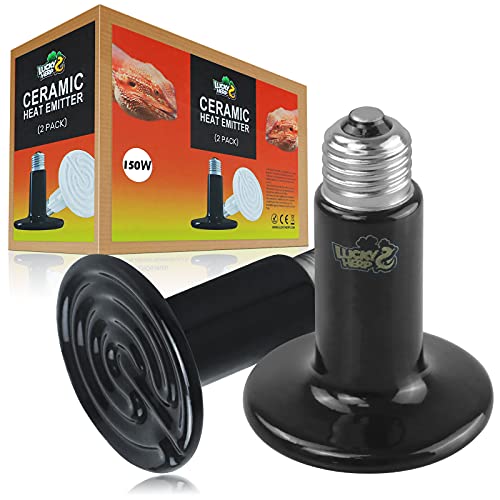
- ✓ Fast heating response
- ✓ No light disruption
- ✓ Durable ceramic construction
- ✕ Needs proper socket quality
- ✕ Avoid frequent on/off cycles
| Power | 150 watts |
| Voltage | 120 volts |
| Base Type | E26 screw-in socket |
| Material | Special ceramic with durable shell |
| Lifespan | Up to 10,000 hours |
| Heat Emission | Infrared heat, no light emitted |
Last weekend, I set up my reptile enclosure as the temperature dropped outside, and I noticed my bearded dragon snuggling into a corner, clearly seeking warmth. That’s when I decided to try the LUCKY HERP 150W Ceramic Heat Emitter.
The first thing that caught my eye was how quickly it heated up. Within just 10 seconds of turning it on, I could feel the heat radiating out.
In about four minutes, the enclosure was comfortably warm, exactly what I needed for a chilly night.
The bulb’s sturdy ceramic construction feels solid and well-made. It’s noticeably thicker than some other heating lamps I’ve used, which makes me feel confident it’ll last long — and indeed, it’s rated for up to 10,000 hours of use.
What I really appreciate is that it doesn’t emit any light. My nocturnal pets can sleep peacefully without any disturbance, and I can keep the heat on overnight without worrying about light pollution.
Installation was straightforward too. It fits perfectly into my standard E26 socket, and I made sure to keep it at least 30cm away from my reptiles, following the safety instructions.
It’s a simple, no-fuss solution for providing consistent warmth.
My only minor concern is that you shouldn’t turn it on and off too frequently — but that’s common with ceramic emitters. Overall, it’s been reliable, safe, and effective for keeping my pets warm through the cold nights.
DaToo Reptile Heat Lamp with 50W UVA UVB Bulb and Clamp

- ✓ Easy to adjust and position
- ✓ Durable and safety-oriented
- ✓ Promotes healthy growth
- ✕ Needs careful handling
- ✕ Not adjustable for different wattages
| Wattage | 50W |
| UV Spectrum | 97% UVA, 3% UVB |
| Lifespan of UVB Bulb | 2000 to 3000 hours |
| Socket Type | E27 screw base |
| Material | High strength aluminum alloy shell and natural ceramic socket |
| Heat Dissipation | Fast heat dissipation with durable construction |
The moment I turned on the DaToo Reptile Heat Lamp, I was impressed by how smoothly it started heating up. The sturdy aluminum shell and ceramic socket feel solid in hand, promising durability.
I especially appreciate the 360° rotatable head—it’s a game changer for directing warmth exactly where I need it.
Adjusting the angle is effortless, and the large non-slip clip keeps it securely in place. I tested it on a turtle tank, and within minutes, the temperature around the basking spot rose comfortably.
The lamp’s design not only provides consistent warmth but also mimics natural sunlight with 97% UVA and 3% UVB.
What really stands out is how it promotes healthy pet growth. My lizard seemed more active, and I noticed improved calcium absorption after a few days.
The bulb’s lifespan of 2000-3000 hours means less fussing with replacements, which is a huge plus.
Installation was straightforward—just screw it into the E27 socket, and you’re set. The safety tips are clear, and I felt confident using it with proper precautions.
The wide application range also means I can use it for various reptiles and even some plants.
Of course, it’s best to keep it at least 12 inches away from surfaces and limit usage to 6 hours a day. But honestly, for the price, this heat lamp offers a reliable, scientific solution that makes caring for my pets much easier.
ReptiKing 5.5″ Reptile Light Fixture Dome for Basking Bulb

- ✓ Sturdy, well-made construction
- ✓ Deep aluminum reflector
- ✓ Easy to operate switch
- ✕ Limited to 150W bulbs
- ✕ Slightly bulky for small enclosures
| Maximum Wattage Support | 150W |
| Socket Type | E26 standard screw-in socket |
| Reflector Material | Aluminum |
| Power Cord Length | 180 cm (6 ft) |
| Compatible Bulb Types | Reptile basking bulbs, heat emitters, daylight and night bulbs |
| Certifications | UL Listed |
Unlike other heat lamps I’ve handled, this ReptiKing 5.5″ dome feels sturdy right out of the box, with a surprisingly deep aluminum reflector that really boosts the light and UVA output. The extra height makes it easier to position over different enclosures without worrying about heat hotspots or uneven basking areas.
The ceramic socket is a big plus—no cheap plastic here. It’s rated for up to 150W, so you can comfortably use a basking bulb or ceramic heat emitter without any flickering or overheating concerns.
The on/off switch mounted on the long 6-foot cord is super convenient, especially when you’re trying to avoid disturbing your reptile’s setup.
Installation is straightforward. The socket screws right into the deep reflector, and it fits standard E26 bulbs.
I tried a few different bulbs, from heat lamps to daylight basking bulbs, and everything worked smoothly—nothing flickered or felt loose. Plus, the UL listing gives you peace of mind about safety and quality.
The design keeps things simple but effective. It’s lightweight enough to hang or place securely, and the reflective surface really helps maximize the light and heat output.
I especially appreciated how easy it was to turn on and off without disturbing the enclosure setup.
Overall, this dome combines durability, versatility, and good value. It’s a solid choice if you want reliable heat and light for your reptile without paying a fortune.
Just keep in mind, it’s best suited for bulbs up to 150W, so heavy-duty heat needs might require a different setup.
BOEESPAT Reptile Lamp Fixture 5.5″ Deep Dome with Switch

- ✓ Durable high UV reflectivity
- ✓ Easy to control with switch
- ✓ Excellent heat dissipation
- ✕ Slightly bulky for small enclosures
- ✕ Not dimmable
| Maximum Wattage Capacity | 250 watts |
| Bulb Base Compatibility | E26 screw base |
| Material | High UV reflectivity aluminum alloy with electroplating and polishing |
| Cable Length | 67 inches |
| Ventilation | Top ventilation holes for heat dissipation |
| Switch | Independent on/off switch |
It’s late afternoon, and I’m setting up my new reptile enclosure. As I reach for the BOEESPAT Reptile Lamp Fixture, I notice its deep 5.5-inch dome, which looks sturdy and well-made.
The shiny aluminum interior immediately catches my eye, promising strong UVB and UVA reflection for my basking spot.
Connecting the fixture is straightforward thanks to its 67-inch cable, and the independent switch gives me control without disturbing my setup. I pop in a 150-watt basking bulb, and right away, I appreciate how well-ventilated the dome is—no worries about overheating here.
What really stands out is how the interior’s electroplated aluminum enhances UV output. My lizard basks happily, and I notice the heat feels consistent and stable.
The lamp’s design ensures good heat dissipation, so I don’t have to worry about the bulb burning out quickly.
The included switch is a small but significant convenience, especially when I want to turn off the heat without unplugging everything. Plus, the 12-month warranty provides peace of mind, knowing I’ve got support if needed.
Overall, it’s a reliable, easy-to-use fixture that keeps my pet comfortable and safe.
At just under $20, it’s a solid investment. The build quality feels durable, and I like the compatibility with various bulb types, including ceramic heat emitters.
It’s a hassle-free solution that hits all the marks for my reptile’s lighting needs.
What Factors Should You Consider When Selecting the Best Heat Lamp for Reptiles?
When selecting the best heat lamp for reptiles, several important factors should be considered to ensure the well-being of the animals.
- Wattage: The wattage of the heat lamp is crucial as it determines the amount of heat produced. Choosing the right wattage helps maintain the ideal temperature gradient in the reptile’s habitat, which is vital for their metabolism and overall health.
- Type of Heat Lamp: There are various types of heat lamps, including incandescent, ceramic, and halogen. Each type has its benefits; for instance, ceramic lamps provide consistent heat without light, while incandescent bulbs offer both heat and light, which can be beneficial for certain species.
- UVB Emission: Some reptiles require UVB light for proper calcium metabolism and to prevent metabolic bone disease. Selecting a heat lamp that also emits UVB rays can help replicate their natural environment and support their health.
- Size and Coverage: The size of the heat lamp and the coverage area it provides are important for ensuring that the heat reaches all parts of the enclosure. A lamp that is too small may not adequately heat the habitat, while one that is too large may create hotspots that can stress the reptile.
- Durability and Safety: Durability is essential for a heat lamp, as it should withstand high temperatures and prevent burns or accidents. Additionally, safety features such as a protective guard can prevent reptiles from getting too close to the lamp, reducing the risk of injury.
- Energy Efficiency: Energy-efficient heat lamps can save on electricity costs and provide consistent heating without excessive energy consumption. This is particularly beneficial for long-term use in reptile habitats, where maintaining the correct temperature is vital.
What Are the Different Types of Heat Lamps Available for Reptiles?
Halogen bulbs offer a powerful heat source and are excellent for larger enclosures or species that require high temperatures. Their intense heat output can also promote UVB production in the enclosure, helping reptiles synthesize vitamin D3.
Ceramic heat emitters are particularly useful for keeping reptiles warm at night since they do not emit visible light, allowing reptiles to maintain their natural sleep patterns. They are durable and can last for a long time, although they may require a separate fixture due to their high temperatures.
Mercury vapor bulbs provide both heat and UVB light, making them a two-in-one solution for reptiles that benefit from basking and require UV exposure for healthy metabolic functions. However, they can be more expensive and have specific placement requirements to prevent overheating.
How Do Infrared Heat Lamps Compare to Ceramic Heat Lamps for Reptiles?
| Feature | Infrared Heat Lamps | Ceramic Heat Lamps |
|---|---|---|
| Heat Type | Emit infrared radiation, providing warmth without light, beneficial for nocturnal reptiles. | Produce radiant heat, suitable for basking areas, but also emit some visible light. |
| Energy Efficiency | Generally more energy-efficient, as they heat the air and objects directly. | Can consume more energy to maintain temperature but are durable and long-lasting. |
| Heat Distribution | Heat can be more focused, suitable for specific areas in the habitat. | Provide broader heat coverage, making them ideal for larger enclosures. |
| Lifespan | Typically last around 5,000 hours before needing replacement. | Can last up to 10,000 hours, offering longer-term use. |
| Application | Ideal for nocturnal reptiles needing warmth without light, and for specific heat zones. | Best for diurnal reptiles requiring basking areas and larger enclosures. |
| Safety Considerations | Can become very hot; proper fixtures required to avoid fire hazards. | Also very hot; should be used with ceramic sockets to prevent melting. |
| Cost | Generally more affordable upfront but may have higher electricity costs over time. | Higher initial cost but can be more economical in the long run due to longer lifespan. |
In What Ways Are Halogen Heat Lamps Beneficial for Reptiles?
UVB Light Emission: In addition to heat, many halogen heat lamps provide UVB radiation, which is critical for reptiles to metabolize calcium and maintain strong bones. The presence of UVB light mimics natural sunlight, creating a more natural environment that can enhance the well-being of the reptile.
Long Lifespan: Halogen bulbs are designed to last longer than most standard bulbs, often providing several months of reliable use. This longevity means that reptile owners can enjoy the benefits of consistent heat without the hassle of frequent bulb changes, which can disrupt the habitat.
Focused Heat Source: The intense and directed heat produced by halogen lamps allows for the creation of a basking area where reptiles can absorb warmth. This focused heating helps establish a temperature gradient within the enclosure, enabling reptiles to move between warmer and cooler areas as needed for thermoregulation.
Durability: Halogen heat lamps are typically constructed to withstand environmental stressors, making them less likely to shatter or break from impacts. This durability is particularly important in reptile habitats, where animals may be active and bump into heat sources.
What Are the Key Benefits of Using Heat Lamps for Reptiles?
- Temperature Regulation: Heat lamps provide a consistent and adjustable source of heat, essential for maintaining the proper thermal gradient in a reptile’s habitat. This gradient allows reptiles to move between warmer and cooler areas, which is crucial for their metabolic functions.
- Basking Opportunities: Many reptiles require a basking area to absorb heat and UVB light for their physiological processes. Heat lamps simulate the natural sun, enabling reptiles to bask, which helps with digestion and overall activity levels.
- Improved Health and Well-Being: Proper heat from lamps can prevent health issues related to temperature drops, such as lethargy or metabolic bone disease. By mimicking natural conditions, heat lamps support the immune system and overall vitality of reptiles.
- Energy Efficiency: Modern heat lamps are designed to be energy-efficient while providing adequate warmth. This allows reptile owners to maintain temperature without incurring high electricity bills, making heating more sustainable.
- Versatility: Heat lamps come in various types and wattages, offering flexibility for different species and enclosure sizes. This adaptability ensures that owners can find the best heat lamp for their specific reptile needs, accommodating diverse habitats.
How Can You Safely Set Up a Heat Lamp in Your Reptile Habitat?
Setting up a heat lamp safely in your reptile habitat involves several key considerations to ensure the well-being of your pet.
- Choose the Right Wattage: Selecting the appropriate wattage for your heat lamp is crucial to provide adequate warmth without overheating the habitat.
- Use a Thermostat: Implementing a thermostat helps maintain a consistent temperature, preventing fluctuations that can stress your reptile.
- Install a Heat Shield: A heat shield can protect the surrounding environment and prevent accidental burns to your reptile or other items in the habitat.
- Positioning the Lamp: Proper placement of the heat lamp is essential; it should be installed at a safe distance to create a temperature gradient without causing hot spots.
- Regular Monitoring: Consistently check the temperature and functionality of the heat lamp to ensure it is operating correctly and safely.
Choosing the Right Wattage: Selecting the appropriate wattage for your heat lamp is crucial to provide adequate warmth without overheating the habitat. It’s important to consider the size of the enclosure and the specific temperature requirements of the reptile species you are housing.
Use a Thermostat: Implementing a thermostat helps maintain a consistent temperature, preventing fluctuations that can stress your reptile. A thermostat can automate the heating process, turning the lamp on and off as needed to keep the environment stable.
Install a Heat Shield: A heat shield can protect the surrounding environment and prevent accidental burns to your reptile or other items in the habitat. This is particularly important in enclosures with multiple animals or fragile decorations that might be damaged by excessive heat.
Positioning the Lamp: Proper placement of the heat lamp is essential; it should be installed at a safe distance to create a temperature gradient without causing hot spots. This allows your reptile to move between warmer and cooler areas, mimicking their natural habitat.
Regular Monitoring: Consistently check the temperature and functionality of the heat lamp to ensure it is operating correctly and safely. Regular monitoring allows you to catch any issues early, ensuring the health and comfort of your reptile.
What Safety Precautions Should You Take When Using Heat Lamps for Reptiles?
When using heat lamps for reptiles, several safety precautions should be taken to ensure the well-being of both the reptiles and their environment.
- Proper Placement: Ensure the heat lamp is securely mounted and positioned at an appropriate distance from the reptile’s basking area to prevent burns.
- Temperature Monitoring: Utilize thermometers to regularly check the temperature gradient within the habitat, ensuring it remains within safe limits for the specific reptile species.
- Use of a Timer: Implement a timer to regulate the heat lamp’s operation, mimicking natural day-night cycles and preventing overheating during extended periods of use.
- Heat Lamp Type: Select the right type of heat lamp, such as ceramic heat emitters or incandescent bulbs, that provide the necessary heat without emitting harmful UV radiation.
- Regular Maintenance: Inspect the heat lamp regularly for signs of wear or damage, and replace it as necessary to avoid electrical hazards and ensure consistent heat output.
- Secure Electrical Connections: Ensure all electrical connections are secure and protected from moisture to minimize the risk of short circuits or electrical fires.
Proper placement of the heat lamp is crucial; it should not be in direct contact with any surfaces or materials that could catch fire, and it should be positioned to provide an optimal basking area without risking the reptile’s safety.
Temperature monitoring is essential as different species of reptiles require specific temperature ranges; using a digital thermometer with a probe can help maintain the correct environment for the reptile’s health.
Using a timer can help automate the lighting and heating schedule, promoting natural behaviors in reptiles and preventing overheating, which can be detrimental to their well-being.
Choosing the correct type of heat lamp is important; for example, ceramic heat emitters provide warmth without light, making them suitable for nocturnal reptiles, while basking bulbs provide both heat and visible light.
Regular maintenance of heat lamps ensures they function properly; checking for any signs of deterioration or failure can prevent unexpected hazards that could harm the reptile or the habitat.
Finally, ensuring that all electrical connections are secure and protected from moisture will help avoid any dangerous situations, such as electrical fires or shocks, keeping both the reptiles and their environment safe.
Which Heat Lamps Are Considered the Best for Reptiles Right Now?
Fluker’s Repta Sun 5.0 UVB Lamp: This lamp is tailored for tropical reptiles, providing low levels of UVB radiation along with adequate heat. It supports the natural behavior of these reptiles, encouraging basking and aiding in vitamin D synthesis.
Sunblaster T5 HO Fluorescent Grow Light: This lighting solution is popular among reptile keepers due to its high output and efficiency. The T5 technology ensures that the light penetrates deeper into the habitat, providing the necessary heat and UVB for optimal reptile health.
Repti Zoo Ceramic Heat Emitter: This heat emitter is highly effective for creating a warm environment without the distraction of light. It is particularly suited for reptiles that are active during the night, as it allows for a natural day/night cycle while still ensuring they have access to the warmth they need.
Related Post: