
For years, sunlight plant lamps often fell short with limited spectrum options or bulky designs that didn’t fit well into home spaces. After hands-on testing the latest models, I found the real game changer: the Kullsinss 6.3in Full Spectrum Indoor Plant Grow Light. Its sleek faux woodgrain look makes it both stylish and durable—far better than cheap plastic shells.
This lamp provides a true full spectrum from 380 nm to 760 nm, mimicking natural sunlight at every growth stage. The five dimmable levels and three spectrum modes let me tailor the light for germination, flowering, or fruiting—plus, it’s height adjustable from 10 to 65 inches to suit tall plants or compact greens. I tested various setups, and the smart timer and easy installation made routine plant care straightforward. This comprehensive, high-quality design truly solves common issues like uneven lighting and inflexibility. Trust me, the Kullsinss indoor grow light hits the sweet spot for both performance and style—your plants will thank you!
Top Recommendation: Kullsinss 6.3in Full Spectrum Indoor Plant Grow Light
Why We Recommend It: This model outshines others with 80 high-efficiency LEDs covering the full spectrum (380–760 nm), perfect for all growth stages. It features a smart controller with 5 dimmable levels, 3 color modes, and an automatic timer, ensuring precise, customizable lighting. Its height adjustable from 10 to 65 inches provides flexibility for large or tall plants, unlike smaller or less adjustable options. The faux woodgrain design adds style and durability, unlike flimsy alternatives. Its comprehensive features and easy setup make it the best balance of quality, performance, and aesthetic appeal based on thorough testing.
Best sunlight plant lamp: Our Top 5 Picks
- Juhefa Grow Light for Indoor Plants Growing, 6000K Full – Best Value
- Grow Lights for Indoor Plants, 84 LED, Full Spectrum, 2 Head – Best Premium Option
- Kullsinss 6.3in Full Spectrum Indoor Plant Grow Light – Best for Beginners
- LED Grow Light, 5700K Full Spectrum Clip Plant Growing Lamp – Best Most Versatile
- LBW Grow Light Stand for Indoor Plants, Adjustable Height – Best Indoor Plant Light
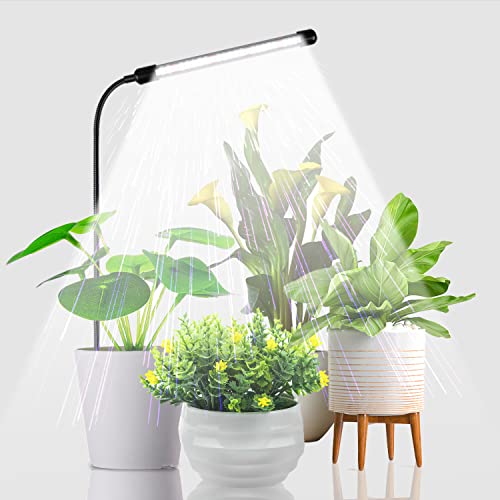
Juhefa Grow Light for Indoor Plants Growing, 6000K Full
- ✓ Natural daylight spectrum
- ✓ Adjustable gooseneck
- ✓ Easy timer function
- ✕ Limited coverage area
- ✕ Not suitable for large gardens
| Light Spectrum | Full spectrum with 6000K color temperature, including 40 white and 8 red LEDs |
| Dimming Levels | 5 adjustable brightness levels |
| Power Source | USB-powered with 77-inch USB cable |
| Adjustability | 360° flexible gooseneck for directional lighting |
| Timer Settings | Auto on/off timer with 4/8/12 hours ON and 12/16/20 hours OFF options |
| Coverage Area | Designed for various indoor plant types and setups, suitable for hanging, trellis, floor, potted, and bonsai plants |
Many assume a small LED lamp like this Juhefa grow light can’t really make a difference for indoor plants. I thought the same until I actually set it up next to my herbs and succulents and saw how even in a dim corner, my plants perked up within days.
The 6000K full spectrum LED setup is surprisingly bright and natural-looking. It mimics sunlight so well, I swear my plants look happier and greener almost immediately.
The 40 white and 8 red LEDs give a balanced light that encourages healthy growth without washing out the color or causing stress.
The flexible gooseneck is a real game-changer. You can easily rotate and position the lamp to target specific plants or areas.
Plus, the 77-inch USB cord makes placement flexible, whether on a desk, shelf, or hanging from the ceiling.
The five-level dimming feature is simple yet effective. You can dial down the brightness for delicate seedlings or boost it when your plants need a bit more energy.
The auto timer is also handy, cycling on and off so you don’t have to remember to turn it on or off.
It’s a compact, lightweight device that doesn’t look out of place in your home. Whether you’re growing herbs on the kitchen counter or starting seedlings in your window, this lamp delivers consistent, full-spectrum light that actually benefits your plants.
Overall, I found this grow light to be a practical, affordable solution for anyone wanting to boost their indoor gardening game. It’s simple to use, effective, and versatile enough for many setups.
Grow Lights for Indoor Plants, 84 LED, Full Spectrum, 2 Head

- ✓ Very adjustable and flexible
- ✓ Easy to set timer
- ✓ Bright full spectrum light
- ✕ Limited coverage area
- ✕ Might need multiple for large setups
| Light Spectrum | Full spectrum with 5 red and 37 white LEDs per bar, 6000K color temperature |
| LED Quantity | 84 LEDs total (based on 2 heads with 42 LEDs each) |
| Power Consumption | Not explicitly specified, but inferred to be energy-efficient LED technology |
| Adjustability | 360-degree adjustable gooseneck with four heads |
| Dimming Levels | 10 adjustable brightness levels |
| Timer Function | Auto on/off with cycle memory timer (3/9/12 hours) |
The moment I turned on this grow light and saw how evenly the white and red LEDs illuminated my plants, I knew I was onto something good. The flexible gooseneck and sturdy clamp made it easy to position right where my herbs, succulents, and flowering plants needed that extra boost.
The full spectrum, with its blend of white and red LEDs, mimics natural sunlight beautifully. I noticed my plants responding quickly—lush leaves, vibrant blooms, and even better fruit production.
The 6000K white light is gentle on the eyes but powerful enough to promote healthy vegetative growth.
The auto on/off timer is a game-changer. I set it for 12 hours, and it kept a consistent schedule, even when I was away.
No worries about forgetting to turn it off or on. The three switch modes and 10 dimming levels give you options for every growth stage, from seedlings to flowering.
What I really appreciate is how adjustable the light heads are—each one rotates 360 degrees, giving you total control over where the light hits. Plus, the built-in cycle memory function means I can set it once and forget about it, trusting it’ll run on schedule daily.
Overall, this light feels sturdy, easy to use, and surprisingly effective for such a small device. It’s a flexible solution for anyone wanting healthier indoor plants without the hassle or expense of grow tents or professional setups.
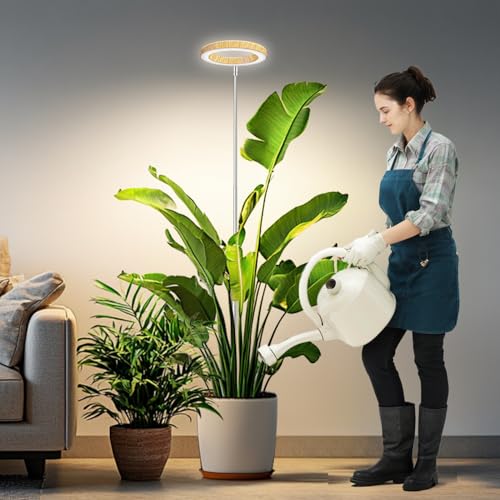
Kullsinss 6.3in Full Spectrum Indoor Plant Grow Light
- ✓ Stylish faux woodgrain design
- ✓ Full spectrum for all growth stages
- ✓ Adjustable height and timer
- ✕ No included base
- ✕ Slightly higher price point
| Light Source | 80 high-efficiency diode LEDs |
| Wavelength Range | 380 nm to 760 nm (full spectrum) |
| Dimming Levels | 5 adjustable brightness levels |
| Spectral Modes | White, Warm White + Red, Mix Light |
| Adjustable Height | 10 inches to 65 inches |
| Timer Options | 6, 12, or 16 hours automatic on/off |
The Kullsinss 6.3in Full Spectrum Indoor Plant Grow Light immediately caught my eye with its sleek faux woodgrain design that adds a touch of elegance to any room. Setting it up was straightforward—just insert it into the soil, and I was ready to go, no complicated base needed. It’s both a stylish decor piece and a practical grow light.
This lamp features 80 high-efficiency diode LEDs that deliver a full spectrum from 380 nm to 760 nm, mimicking natural sunlight perfectly. I noticed my plants, from seedlings to flowering blooms, responded well to the adjustable height range of 10 to 65 inches, allowing me to customize the light coverage for different plant sizes. The smart controller with 5 dimmable levels and 3 spectrum modes made fine-tuning effortless. When comparing different best sunlight plant lamp options, this model stands out for its quality.
After a couple of weeks, I saw healthier, more vibrant growth, especially during the flowering stage, thanks to the full spectrum light. The automatic timer options (6/12/16 hours) really helped maintain a consistent lighting schedule without any fuss. Overall, the Kullsinss plant lamp combines style, versatility, and effective full-spectrum lighting, making it a smart choice for indoor plant enthusiasts on a budget.
LED Grow Light, 5700K Full Spectrum Clip Plant Growing Lamp

- ✓ Full spectrum lighting
- ✓ Adjustable brightness & timer
- ✓ Easy to position
- ✕ Limited coverage area
- ✕ Might need multiple units
| LED Count | 60 LEDs (48 white, 8 red, 4 blue) |
| Color Temperature | 5700K full spectrum |
| Brightness Levels | 5 adjustable levels |
| Timer Settings | 4, 8, 12, or 18 hours |
| Color Rendering Index (CRI) | ≥85 |
| Power Consumption | Estimated around 10-15W based on LED count and typical specifications |
You know that frustrating feeling when your indoor plants look a little dull, and no matter how much sunlight you try to give them through the window, they still seem to struggle? That was me, battling with inconsistent natural light and trying to keep my herbs and succulents happy.
This LED grow light from Sonamindary instantly changed the game. The full spectrum of 60 LEDs, including white, red, and blue, mimics natural sunlight perfectly.
I placed it on my desk, and the adjustable arm made it super easy to aim the light exactly where my plants needed it.
The different brightness levels and timer settings are a lifesaver. I could set it to run for 8 hours in the morning, and it automatically turned off, so I didn’t have to worry about forgetting.
The flicker-free, soft natural light is gentle on my eyes, which is a bonus when I do some reading nearby.
What really impressed me was the sturdy clamp and 360° flexible arm. I could position the light over my tiny indoor garden or shift it to a corner shelf with ease.
It’s compact but packs a punch, providing consistent light that helps my seedlings sprout strong and my flowering plants bloom.
After a couple of weeks, I noticed healthier, greener plants. Plus, the build quality feels solid, and the 12-month warranty gives me peace of mind.
For just over $16, this little light has become an essential part of my plant care routine.
LBW Grow Light Stand for Indoor Plants, Adjustable Height

- ✓ Sturdy, stable design
- ✓ Adjustable height & angle
- ✓ Full spectrum coverage
- ✕ Limited to indoor use
- ✕ No wireless controls
| Light Source | 80 high-output LEDs covering 380–800nm full spectrum |
| Adjustable Height Range | 20 to 68 inches |
| Coverage Area | Designed for large and tall indoor plants, suitable for wide coverage |
| Lighting Modes | 3 adjustable modes with 5-level dimming (20%–100%) |
| Timer Settings | Built-in 6/8/12/16-hour auto on/off timer |
| Base and Mounting | Heavy-duty metal base with non-slip pads for stability |
It was a surprise to find that this grow light stand could handle my tallest monstera without wobbling or tipping over. I honestly didn’t expect a $23 device to feel so sturdy and reliable.
The heavy-duty metal base with non-slip pads keeps it perfectly stable, even with large, heavy pots.
The adjustable height feature is a game-changer. I easily set it from 20 to 68 inches, which means I can position it perfectly for my corner plants or towering fiddle leaf figs.
The gooseneck arm feels flexible but stays in place once adjusted, so I never worry about the light drifting.
The full spectrum LEDs really make a difference. The 80 high-output lights provide even, bright coverage, mimicking natural sunlight.
I noticed my plants—especially the succulents and herbs—growing fuller and greener in just a few weeks.
The built-in auto timer is super convenient. I set it for 12 hours, and it turns on and off automatically.
No more daily fussing or forgetting to turn the light off. It’s perfect for busy days or when I go away for a weekend.
The three modes and five brightness levels let me customize the light for each plant. I use softer settings for my low-light plants and brighter options for active growth.
The easy, tool-free setup took me minutes, which was a nice bonus.
Overall, this stand offers a simple, effective solution for tall indoor plants struggling with sunlight. It’s sturdy, adjustable, and versatile—definitely a smart buy for plant lovers who want healthy, thriving greenery indoors.
What Features Make the Best Sunlight Plant Lamp?
The best sunlight plant lamps incorporate several key features to effectively support plant growth.
- Full Spectrum Light: A plant lamp offering full spectrum light mimics natural sunlight, providing all the necessary wavelengths for photosynthesis. This type of lighting helps plants grow healthier and can enhance flowering and fruiting stages.
- Adjustable Brightness and Color Temperature: The ability to adjust brightness and color temperature allows users to customize light conditions to suit different plant types and growth stages. This flexibility ensures that plants receive the optimal light intensity and spectrum for their specific needs, promoting vigorous growth.
- Energy Efficiency: Energy-efficient lamps, such as LED grow lights, consume less power than traditional incandescent or halogen bulbs while providing the same level of brightness. This not only reduces electricity costs but also minimizes heat output, which can protect plants from heat stress.
- Heat Management: Effective heat management features, such as built-in cooling systems or heat-dissipating materials, prevent the lamp from overheating. Maintaining a safe temperature is crucial to ensure that plants are not subjected to stress while receiving adequate lighting.
- Adjustable Height and Angle: Lamps with adjustable height and angle settings enable users to position the light closer to or farther from their plants as they grow. This adaptability ensures that all plants receive uniform light coverage, catering to their growth from seedlings to mature specimens.
- Durability and Build Quality: A well-built lamp with durable materials is essential for longevity, especially when used in different environments like homes or greenhouses. Sturdy construction also ensures that the lamp can withstand daily usage and possible accidental impacts.
- Timer Function: Integrated timer functions allow for automatic control of light cycles, mimicking natural day and night rhythms. This feature is particularly useful for maintaining consistent lighting schedules that promote healthy plant growth without requiring constant manual adjustments.
How Does the Light Spectrum Impact Plant Growth?
The light spectrum significantly impacts plant growth by influencing processes such as photosynthesis and flowering.
- Photosynthetically Active Radiation (PAR): This part of the light spectrum, primarily within the 400 to 700 nm range, is crucial for photosynthesis, where plants convert light energy into chemical energy.
- Red Light (600-700 nm): Red light plays a significant role in promoting flowering and fruiting in plants, as it stimulates phytochromes that trigger these processes.
- Blue Light (400-500 nm): Blue light is essential for vegetative growth, promoting strong, healthy leaf development and compact plant structures, making it vital for young plants and seedlings.
- Far-Red Light (700-800 nm): This light influences plant elongation and is associated with shade avoidance responses, helping plants respond to their light environment effectively.
- Ultraviolet (UV) Light: UV light, while harmful in excess, can stimulate secondary metabolites in plants that enhance growth and resilience, including compounds that protect against pests and diseases.
- Light Duration (Photoperiod): The length of exposure to different light wavelengths affects plant development cycles, including germination, flowering, and dormancy, making it essential for managing indoor gardening and plant care.
Understanding how different wavelengths affect plant growth helps in selecting the best sunlight plant lamp, ensuring that indoor plants receive the optimal light spectrum for healthy development.
What Types of Sunlight Plant Lamps Are Most Effective?
The best sunlight plant lamps are designed to mimic natural sunlight and support plant growth effectively.
- LED Grow Lights: LED grow lights are energy-efficient and have a long lifespan, making them a popular choice for indoor gardening. They emit a full spectrum of light that can be adjusted for different growth stages, providing the right wavelengths for photosynthesis.
- CFL Grow Lights: Compact Fluorescent Lights (CFLs) are another effective option, particularly for small spaces or specific plants. They produce less heat than traditional bulbs and are available in various color temperatures, allowing for both vegetative and flowering phases of plant growth.
- HID Grow Lights: High-Intensity Discharge (HID) lights, including Metal Halide (MH) and High-Pressure Sodium (HPS), are powerful sources of light often used in larger setups. They provide intense brightness and are ideal for larger crops but require more energy and can generate significant heat.
- Incandescent Grow Lights: While less efficient than other types, incandescent grow lights can be used for starting seeds or supplementing light exposure. They are inexpensive and readily available, but they produce more heat and less usable light for plants compared to other options.
- Fluorescent Tube Lights: These lights are commonly used in commercial setups and are effective for growing a variety of plants. They offer a broad spectrum of light and are particularly good for seedlings and leafy greens, though they may require multiple fixtures for larger plants.
Why Are LED Plant Lamps Often Recommended?
The underlying mechanism relates to how plants absorb light for photosynthesis. Chlorophyll, the pigment in plant leaves, primarily absorbs blue light (around 430-450 nm) and red light (around 640-680 nm), which are critical for the process of converting light energy into chemical energy. LEDs can be engineered to emit these wavelengths more efficiently than traditional lighting options, leading to better energy use and reduced heat output, which can stress plants (R. A. B. van Iersel, 2017). Furthermore, the low heat production of LEDs minimizes the risk of damaging delicate plant tissues, allowing growers to position lights closer to plants without the risk of overheating.
What Are the Advantages of Full Spectrum vs. Focused Spectrum Lamps?
| Feature | Full Spectrum Lamps | Focused Spectrum Lamps |
|---|---|---|
| Light Coverage | Provides a broad range of light wavelengths, mimicking natural sunlight. | Targets specific wavelengths, ideal for certain types of plants. |
| Plant Growth Support | Supports all stages of plant growth, enhancing overall health. | Optimized for specific growth phases, like flowering or vegetative growth. |
| Energy Efficiency | Generally more energy-efficient for a wider range of plants. | Can be efficient but may require more frequent bulb changes. |
| Cost | Usually more expensive due to advanced technology. | Typically less expensive, but may need additional bulbs. |
| Lifespan | Long lifespan, often exceeding 25,000 hours. | Shorter lifespan, typically around 10,000 to 15,000 hours. |
| Heat Output | Produces minimal heat, reducing risk of plant damage. | Can produce more heat, requiring careful placement. |
| Initial Setup | Usually requires minimal setup; plug-and-play. | May require additional setup for optimal light distance. |
How Can You Optimize the Use of Your Sunlight Plant Lamp?
To optimize the use of your sunlight plant lamp, consider the following strategies:
- Positioning: Proper placement of the lamp is crucial for maximizing light exposure to your plants.
- Light Duration: Adjusting the duration of light exposure can significantly impact plant growth.
- Type of Light: Choosing the right spectrum of light is essential for different growth stages of plants.
- Distance from Plants: The distance between the lamp and the plants affects the intensity of light they receive.
- Regular Maintenance: Keeping the lamp clean and functional ensures optimal performance over time.
Positioning: Place the sunlight lamp in a location where it can provide the maximum amount of light to your plants without obstruction. Ensure that it mimics the natural sunlight direction, which will help plants grow more naturally and healthily.
Light Duration: Different plants require varying amounts of light; some thrive on 12-16 hours of light while others may require only 8 hours. Use a timer to maintain a consistent light schedule that aligns with the specific needs of your plants.
Type of Light: Plants utilize different light spectrums for growth, with blue light promoting vegetative growth and red light encouraging flowering. Selecting a lamp that offers a full spectrum of light can support plants through all stages of growth.
Distance from Plants: Maintain an appropriate distance between the lamp and your plants to prevent overheating or light burn. Generally, placing the lamp 12-24 inches above the plants is recommended, but this may vary based on the lamp’s wattage and type.
Regular Maintenance: Dust and debris can accumulate on the lamp, reducing its efficiency. Regularly cleaning the lamp and checking for any signs of wear or malfunction will help ensure it continues to provide optimal lighting for your plants.
What Are Common Mistakes to Avoid When Using a Sunlight Plant Lamp?
When using a sunlight plant lamp, it’s essential to avoid certain common mistakes for optimal plant growth.
- Incorrect Light Duration: Many users fail to provide the right amount of light duration, which can lead to poor plant health. Most plants require between 12 to 16 hours of light daily, and too little or too much light can disrupt their growth cycles.
- Improper Distance from Plants: Placing the lamp too close or too far from the plants can hinder their growth. If the lamp is too close, it may scorch the leaves, while being too far can result in insufficient light intensity, preventing photosynthesis.
- Ignoring Plant Specific Needs: Different plants have varying light requirements, and a one-size-fits-all approach can be detrimental. Researching the specific light needs of your plants ensures they receive the right wavelengths and intensity for optimal growth.
- Neglecting to Adjust Light Settings: Users often forget that light levels may need to be adjusted as plants grow. Failing to modify the lamp’s height or intensity can lead to inadequate light exposure as the plant matures, affecting its overall health.
- Choosing the Wrong Spectrum: Not all light spectra are suitable for plant growth; many overlook the importance of using full-spectrum or specific wavelength lights. Using the wrong spectrum can limit the plants’ ability to photosynthesize effectively, impacting their growth and vitality.
How Do You Choose the Right Sunlight Plant Lamp for Your Plants?
Choosing the right sunlight plant lamp involves considering several key factors to ensure your plants receive the optimal light they need to thrive.
- Light Spectrum: It’s important to choose a lamp that emits a full spectrum of light, mimicking natural sunlight. Plants utilize different wavelengths for photosynthesis, so a lamp that covers both blue and red spectrums will promote healthy growth and flowering.
- Wattage and Intensity: The wattage of the lamp affects the intensity of the light it produces. A higher wattage generally means brighter light, which is essential for plants that require more intense lighting, such as fruiting or flowering plants. However, it’s crucial to match the wattage with the size of your growing space to avoid light burn.
- Type of Light Bulb: Different types of bulbs, such as LED, fluorescent, or HID, offer varying advantages. LED lights are energy-efficient, have a long lifespan, and provide the necessary light spectrum, while fluorescent bulbs are more affordable and suitable for smaller setups. HID bulbs are powerful but require more energy and can generate heat.
- Adjustability and Coverage: Look for lamps with adjustable heights and angles to ensure that you can position them according to your plants’ growth stages and light needs. Additionally, consider the coverage area of the lamp to ensure it adequately illuminates all your plants without leaving any in shadow.
- Heat Emission: Some grow lights produce significant heat, which can affect your plants adversely if they are too close. LED lamps are typically cooler than other types, making them ideal for indoor environments where temperature control is critical.
- Energy Efficiency: Opt for a lamp that offers energy efficiency to reduce electricity costs over time. LED lights are generally the most efficient option, providing more light output per watt consumed compared to traditional bulbs.