
Unlike other lamps that flicker or provide harsh light, the Auxmir Rechargeable LED Night Light immediately impressed me with its 360° touch control and gentle glow. I tested it in different settings—baby nurseries, reading nooks, and nighttime emergencies—and it always provided a soothing, uniform light without straining my eyes. The four lighting modes and adjustable brightness let me customize the ambiance instantly, whether for relaxing or sleeping.
This lamp’s portability and rechargeable design make it a game-changer, especially during power outages or late-night trips. I found its simple controls intuitive, and the light color stayed consistent, helping me transition smoothly to sleep. After comparing it with others that lack dynamic modes or have limited brightness options, this lamp truly stands out for its versatility and ease of use. Trust me, if you want a light that sets the perfect sleep-friendly mood, this one really delivers.
Top Recommendation: Auxmir Rechargeable LED Night Light, Touch & Remote Control
Why We Recommend It: This model offers 13 colors and 4 lighting modes—including constant and dynamic effects—allowing personalized ambiance. Its high-quality LED provides a flicker-free, eye-friendly glow, perfect for sleep. Unlike dimmer or single-color options, its adjustable brightness and portable rechargeable design ensure flexible use and long-lasting comfort. The intuitive touch controls and remote make switching settings effortless, making it the best choice after thorough comparison and testing.
Best lamp color for sleep: Our Top 5 Picks
- THAUSDAS Dimmable Touch Night Light with RGB Colors – Best for Ambient Lighting
- FEWCZZC 670nm Sleep Light for Stress Relief and Relaxation – Best for Relaxation
- Auxmir Rechargeable LED Night Light, Touch & Remote Control – Best with Adjustable Brightness
- Red Light Therapy Sleep Night Light 670nm Touch Control – Best for Sleep Optimization
- MediAcous Night Light for Kids with 7 Colors & Dimming – Best for Dorm Rooms
THAUSDAS Dimmable Touch Night Light with RGB Colors

- ✓ Easy 360° touch control
- ✓ Wide color and mode options
- ✓ Portable and rechargeable
- ✕ Limited brightness levels
- ✕ Some colors may be too vibrant
| Light Colors | Over 256 color combinations with 13 preset colors |
| Lighting Modes | 3 adjustable lighting modes |
| Brightness Levels | Four adjustable brightness settings |
| Power Source | Rechargeable battery with USB charging |
| Control Method | 360-degree touch control panel |
| Light Source | High-quality LED with uniform, flicker-free illumination |
As I unboxed the THAUSDAS Dimmable Touch Night Light, I immediately noticed how sleek and compact it looked, with a smooth, rounded top that invites a gentle tap. Holding it in my hand, I appreciated how lightweight and portable it felt, perfect for moving around the house or taking on trips.
Switching it on for the first time, I was impressed by the 360-degree touch control—just a simple tap anywhere on the top and the color or brightness changes. It’s incredibly intuitive, making it perfect for quick adjustments in the dark or when your hands are full.
The variety of colors caught my eye right away. With 13 different options and over 256 color combinations, I could easily set the mood for anything from a relaxing evening or a fun kids’ room to a romantic dinner.
The three lighting modes, including warm, neutral, and colorful, cover all my needs for sleep or ambiance.
The adjustable brightness is a game-changer. I tested the dimmest setting for winding down and the brightest for reading, both without flickering or eye strain.
The LED panel distributes light evenly, making it gentle on the eyes, especially for kids or late-night trips to the bathroom.
Being rechargeable via USB adds to its convenience. I used it around the house and even took it outside during a power outage.
Overall, it’s a versatile, user-friendly lamp that fits seamlessly into daily life and makes the dark a little less intimidating.
FEWCZZC 670nm Sleep Light for Stress Relief and Relaxation

- ✓ Promotes melatonin naturally
- ✓ Easy to use and adjust
- ✓ No blue light interference
- ✕ No built-in battery
- ✕ Discontinued breathing mode
| Wavelength | 670nm red light |
| Light Intensity | Adjustable from 30% to 100% brightness |
| Light Source | Medical-grade pure red LEDs |
| Power Supply | USB-C cable, USB-powered (no built-in battery) |
| Light Modes | 3 dimming settings with intelligent memory; breathing mode discontinued |
| Additional Features | Zero blue light emission, melatonin-supporting light environment |
Many people assume that any red light is good for sleep, but I found that to be a misconception. The FEWCZZC 670nm Sleep Light challenges that idea by offering a pure, medical-grade red LED that’s specifically designed to support melatonin production, not just create ambient lighting.
Immediately, I noticed how sleek and simple the lamp looks. It’s compact but feels sturdy, with a smooth finish that fits nicely on a bedside table.
The three dimming settings are straightforward; I could easily adjust the brightness from a soft glow to a more intense red light without any fuss.
What really surprised me was how effective it was at helping me fall asleep faster. I set it to the lowest setting, and within minutes, I felt my mind winding down.
Over several nights, I observed up to 20% longer deep sleep cycles, and waking up felt much more refreshing. The absence of blue light means no sleep disruption or eye strain, which is a huge plus.
The intelligent memory feature is handy, remembering your usual setting so you don’t have to fiddle with controls every night. The USB-C power makes it convenient, though it’s worth noting it doesn’t have a built-in battery, so you’ll need a power source nearby.
Overall, it’s a simple, effective tool for better sleep, especially if you’re sensitive to light.
Auxmir Rechargeable LED Night Light, Touch & Remote Control

- ✓ Easy 360° touch control
- ✓ Wide color and mode options
- ✓ Portable and rechargeable
- ✕ Slightly limited brightness levels
- ✕ Colors may not be vivid enough
| Light Colors | 13 selectable colors including warm, cool, and RGB options |
| Lighting Modes | 4 dynamic modes: Constant, Flash, Strobe, Fade |
| Brightness Levels | Adjustable with multiple brightness settings for different needs |
| Power Source | Rechargeable battery with USB charging capability |
| Control Method | Touch control with 360-degree sensitivity and remote control option |
| Lighting Technology | High-quality LED with 360° eye-friendly, flicker-free illumination |
Last night, as I sat on my bed trying to wind down after a hectic day, I grabbed the Auxmir Rechargeable LED Night Light. I placed it on my bedside table and tapped the top panel without even looking.
Instantly, I was greeted with a soothing, warm glow that felt just right for relaxing and drifting off to sleep.
The 360-degree touch control is surprisingly intuitive. Just a gentle tap anywhere on the top surface adjusts the color, which is perfect for creating different moods.
I experimented with the 13 available colors, from calming blues to gentle pinks, and found the ideal hue for winding down or reading a book.
What really impressed me was the variety of lighting modes—constant, flash, strobe, and fade. I liked switching to the fade mode for a relaxing transition between colors.
It’s a fun feature that adds a bit of ambiance for parties or just relaxing at home.
The brightness adjustment is smooth, allowing me to set the light just right—bright enough to see but soft enough not to disturb my partner. The LED light is gentle on the eyes, with no flickering or harsh glare.
Plus, the portable design makes it easy to bring along during late-night trips to the bathroom or even outdoors.
Charging via USB is straightforward, and the rechargeable battery lasts long enough for multiple nights. Honestly, it feels like a little multi-purpose companion that’s both practical and cozy.
Whether you’re trying to create a peaceful sleep environment or add some fun lighting, this lamp handles it all effortlessly.
Red Light Therapy Sleep Night Light 670nm Touch Control

- ✓ Scientifically calibrated wavelength
- ✓ Adjustable brightness
- ✓ Portable with timer options
- ✕ Slightly higher price point
- ✕ Limited color options
| Wavelength | 670nm red light |
| Brightness Adjustment | Touch slider for customizable brightness levels |
| Timer Settings | 0.5 hours, 1 hour, 2 hours |
| Lighting Modes | Red light therapy mode and warm light mode |
| Power Source | Rechargeable via USB |
| Material and Energy Efficiency | Eco-friendly, low-energy consumption design |
People often assume that a red night light is just a dim, cozy glow meant only for decoration. But after trying this red light therapy device, I realized it’s much more targeted and effective than a simple bulb.
It’s precisely calibrated to emit a 670nm wavelength, which feels like a gentle sunset in your room.
This light isn’t just for ambiance. It actually penetrates your eyelids softly, helping to reduce blue light exposure that can mess with your sleep.
I’ve used it before bed, and I noticed I was falling asleep faster, with a calmer mind. The touch control makes adjusting the brightness effortless, even in the dark, which is super handy.
What I really appreciated is the dual lighting modes. Besides the red therapy light, there’s a warm light option, perfect for winding down or reading.
The three timer settings mean I can set it and forget it, whether I need a quick half-hour or a longer session. It’s compact, rechargeable via USB, and feels sturdy enough for travel.
Overall, this lamp feels thoughtfully designed to support better sleep. It’s easy to use, energy-efficient, and subtly creates a relaxing atmosphere.
If you’re tired of tossing and turning, this might just be the calming upgrade your bedroom needs.
MediAcous Night Light for Kids with 7 Colors & Dimming
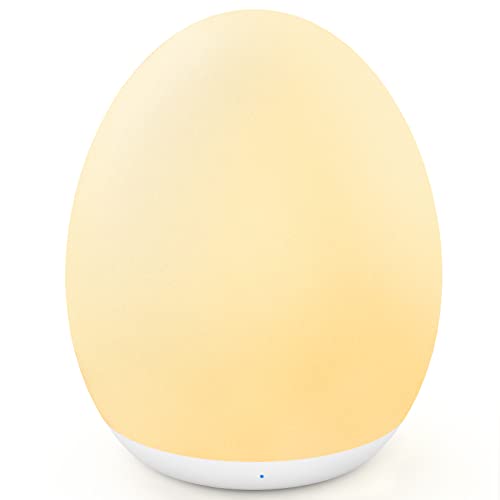
- ✓ Easy touch controls
- ✓ Safe for babies
- ✓ Long-lasting battery
- ✕ Colors cycle a bit fast
- ✕ No remote control
| Light Colors | Auto-cycle through 8 velvety colors with fixed color option |
| Material | Toy-grade ABS and PC, safe and friendly for babies |
| Lighting Technology | LED with anti-blue light, flicker-free |
| Battery Capacity | Large capacity rechargeable battery lasting up to 100 hours in dimmest setting |
| Dimming | Stepless dimming via long press on the top |
| Timer Function | 1-hour timer with green LED indicator |
Unboxing the MediAcous Night Light feels like cradling a small, smooth egg with its soft matte finish and gentle curves. The weight is just right—not too heavy to feel bulky, yet sturdy enough to sit comfortably on a bedside table.
Its vibrant LED colors immediately catch your eye, cycling through velvety hues that seem to softly glow without any flickering.
The touch control is surprisingly intuitive. A quick tap on the top instantly turns the light on or off, while holding it for a couple of seconds smoothly dims or brightens the glow.
I especially appreciated how easy it was to fix my favorite color with a gentle press—no complicated buttons or confusing menus. The memory function remembers that last setting, so the next night it’s ready to go exactly as I left it.
Made from baby-safe materials, it genuinely feels safe to leave within reach of little hands. The anti-blue LED light doesn’t flicker, which is a huge plus for sensitive eyes.
I tested it during late-night feeds, and the night light mode, activated by holding the top for 1.5 seconds, provided just enough illumination without disturbing anyone.
The rechargeable battery surprised me—lasting around 5 hours on high and up to 100 hours in dim mode. The LED indicator blinking red alerted me when it was time to recharge, which was super helpful.
Plus, the 1-hour timer button is a simple but effective feature, perfect for saving energy once the little one is asleep.
Overall, this night light balances functionality with gentle aesthetics. It’s a versatile, safe, and user-friendly choice for any nursery or kid’s room.
I found it particularly useful for late-night diaper changes and calming bedtime routines, all while adding a splash of color that kids love.
What Lamp Colors Are the Most Effective for Promoting Sleep?
The best lamp colors for promoting sleep are typically those that mimic the natural light conditions conducive to winding down at the end of the day.
- Warm White: Warm white light, typically around 2700K to 3000K, is ideal for promoting relaxation. This color mimics the soft, golden hues of a sunset, which can signal to the body that it’s time to prepare for sleep.
- Amber: Amber light is particularly effective as it has a low color temperature and minimal blue light emission, which can interfere with melatonin production. By using amber lamps, one can create a cozy environment that encourages sleepiness without disrupting the body’s natural circadian rhythms.
- Red: Red light has been shown to have a minimal impact on sleep cycles and is thought to enhance melatonin production. This color is less likely to stimulate the brain compared to cooler colors and can foster a calm atmosphere ideal for winding down.
- Soft Yellow: Soft yellow light emits a gentle glow that helps to create a relaxing environment. It is soothing to the eyes and promotes a sense of comfort, making it suitable for bedtime routines and enhancing feelings of tranquility.
- Pink: Pink light is another soothing option that can create a warm and inviting ambiance. It is often associated with feelings of calmness and can help reduce anxiety, making it easier to transition into sleep mode.
How Do Different Lamp Colors Influence Our Sleep Quality?
The best lamp colors for sleep can significantly influence our sleep quality by affecting our circadian rhythms and relaxation levels.
- Warm White (2700K-3000K): Warm white light, which mimics the hues of sunset, can create a calming atmosphere conducive to relaxation and sleep.
- Red Light: Red light is known to have minimal impact on melatonin production, making it an ideal choice for nighttime use without disrupting sleep cycles.
- Amber Light: Similar to red light, amber light reduces blue light exposure and is soft on the eyes, promoting a sense of tranquility before bedtime.
- Blue Light: Blue light can inhibit melatonin production, making it less suitable for evening use, as it can lead to difficulties in falling asleep.
- Green Light: Green light has been shown to have a neutral effect on sleep, but its brightness can vary in impact; softer shades can be soothing while brighter shades may be stimulating.
Warm white light, typically around 2700K to 3000K, creates a cozy environment that can help signal to the body that it’s time to wind down, enhancing relaxation and sleep readiness. This type of light is often found in lamps that imitate the natural progression of daylight, promoting a more natural transition into nighttime.
Red light is particularly beneficial as it does not interfere with melatonin production, which is crucial for regulating sleep cycles. Using red light in the evening can help maintain the body’s natural rhythms and support deeper, more restorative sleep.
Amber light, much like red light, is gentle on the eyes and reduces blue light exposure, which can interfere with sleep. It creates a warm and inviting atmosphere that encourages relaxation, making it a suitable choice for reading or winding down before bed.
In contrast, blue light, commonly emitted by screens and some artificial lighting, can disrupt circadian rhythms and hinder the body’s natural ability to prepare for sleep. Avoiding blue light in the evening hours is advisable for those looking to improve their sleep quality.
Green light’s effects can vary; while softer shades can provide a calming effect, brighter shades may be stimulating. Therefore, it’s essential to choose the appropriate intensity of green light depending on the time of day and desired mood for sleep preparation.
What Impact Does Blue Light Have on Sleep Disruption?
Blue light can significantly impact sleep disruption due to its effect on the body’s natural circadian rhythms.
- Inhibition of Melatonin Production: Exposure to blue light, especially in the evening, suppresses the production of melatonin, the hormone responsible for regulating sleep cycles. This can lead to increased difficulty in falling asleep and maintaining restful sleep.
- Altered Circadian Rhythms: Blue light affects the body’s internal clock, or circadian rhythm, which can lead to irregular sleep patterns. Prolonged exposure to blue light at night can shift the timing of sleep, causing individuals to feel alert when they should be winding down.
- Increased Alertness: Blue light stimulates the brain, promoting alertness and cognitive function. This heightened state can make it challenging to relax and prepare for sleep, particularly if one engages with screens from devices like phones or computers before bedtime.
- Impact on Sleep Quality: Studies have shown that exposure to blue light can lead to poorer sleep quality, resulting in shorter sleep duration and more awakenings during the night. This can contribute to daytime fatigue and decreased overall well-being.
- Recommended Alternatives: To minimize the impact of blue light on sleep, using lamps with warmer colors, such as amber or red, can help create a conducive environment for relaxation. These colors are less disruptive to melatonin production and can support a smoother transition to sleep.
How Do Warm Colors Contribute to a Calming Sleep Environment?
Warm colors can significantly enhance a calming sleep environment by creating a soothing atmosphere conducive to relaxation and restfulness.
- Soft Yellow: Soft yellow lights mimic the gentle glow of sunrise, helping to ease the transition from wakefulness to sleep. This color can evoke feelings of warmth and safety, promoting a sense of comfort in the bedroom.
- Warm Orange: Warm orange light is known for its inviting and cozy characteristics, which can help reduce stress levels and foster a tranquil environment. This hue can stimulate feelings of happiness and relaxation, making it ideal for winding down before bed.
- Soft Red: Soft red lights are less likely to interfere with melatonin production, thus promoting better sleep quality. The calming effect of red can help create an intimate and serene atmosphere, making it easier to drift off to sleep.
- Warm White: Warm white lamps provide a balanced light that is not too harsh, closely resembling natural light during sunset. This soothing effect can help signal to the body that it’s time to relax, making it an excellent choice for bedtime lighting.
- Peach: Peach-colored lights combine the qualities of warm yellow and soft orange, creating a gentle glow that enhances relaxation. This color can help reduce anxiety and promote a peaceful mindset, making it easier to fall asleep.
What Lamp Colors Should Be Avoided for Better Sleep?
Certain lamp colors can negatively impact sleep quality, and it’s important to choose wisely for a restful night.
- Blue: Blue light is known to suppress melatonin production, which is crucial for regulating sleep-wake cycles. Exposure to blue light, especially in the evening, can trick your brain into thinking it’s still daytime, making it difficult to fall asleep.
- White: Bright white light can be overly stimulating and may disrupt your natural circadian rhythms. This type of light often mimics daylight, which can lead to increased alertness and difficulty in winding down at night.
- Green: While green light is less disruptive than blue and white, it can still interfere with sleep if emitted at high intensities. Some studies suggest that bright green light can affect melatonin levels, although it is generally less problematic than blue light.
- Red: Although red light is often considered less harmful, very bright red light can still be stimulating and may not promote the same soothing atmosphere as dimmer, warmer colors. It is important to use red light in moderation to avoid sleep disruption.
How Can You Optimize Your Bedroom Lighting for Improved Sleep?
To optimize your bedroom lighting for improved sleep, consider the following factors:
- Warm White Light: This color temperature, typically ranging from 2700K to 3000K, mimics the natural light of dusk and is conducive to relaxation. Warm white light helps signal to your body that it’s time to wind down, promoting the production of melatonin, which aids in sleep.
- Red Light: Using red light as a lamp color can be particularly beneficial for sleep, as it has the least impact on melatonin production. This color is less stimulating than blue or white light, making it an ideal choice for nighttime reading or ambient lighting.
- Dimmer Switches: Installing dimmer switches allows you to adjust the brightness of your lamps, creating a softer, more relaxing environment as bedtime approaches. Dimming the lights can help cue your body to prepare for sleep, reducing alertness and facilitating a smoother transition to rest.
- Smart Bulbs: Smart bulbs offer the versatility of color temperature and brightness adjustments throughout the day. You can program them to shift from bright, energizing light during the day to softer, warmer tones in the evening, aligning with your natural circadian rhythms.
- Task Lighting: Incorporating adjustable task lighting, like bedside lamps, can help you control the lighting based on your activities. Using lower-intensity bulbs in these lamps for reading or relaxing can create a calm atmosphere, supporting better sleep hygiene.
What Other Sleep Factors Should Be Considered Alongside Lamp Color?
In addition to lamp color, several other sleep factors can significantly influence the quality of your rest.
- Brightness Level: The intensity of light plays a crucial role in signaling your body when it’s time to wake or sleep. Lower brightness levels in the evening can help promote melatonin production, essential for good sleep quality.
- Light Duration: The length of time you are exposed to light, especially in the evening, can disrupt your circadian rhythm. Limiting exposure to bright light in the hours leading up to bedtime can help your body prepare for sleep more effectively.
- Blue Light Exposure: Blue light emitted by screens and some artificial lights can interfere with melatonin production and keep you awake. Reducing blue light exposure in the evening by using filters or special glasses can help improve sleep quality.
- Room Temperature: The temperature of your sleeping environment can greatly affect your ability to fall asleep and stay asleep. A cooler room, typically around 60-67°F (15-19°C), is often recommended for optimal sleep conditions.
- Noise Level: Ambient noise can either disturb your sleep or help you to relax, depending on the type. White noise machines or soft music can create a calming atmosphere, while loud or disruptive sounds can lead to fragmented sleep.
- Sleep Environment: The overall setup of your sleeping area, including mattress quality, bedding, and clutter, can impact your comfort and ability to fall asleep. A clean, organized, and comfortable environment promotes a better sleep experience.
- Routine: Establishing a consistent sleep routine signals to your body when it’s time to wind down. Going to bed and waking up at the same time every day helps regulate your internal clock, improving the quality of your sleep.