
Looking for the best best screen mirroring devices for classroom? We’ve tested the top options to help you make an informed decision. Quality, durability, and value are key factors to consider. After extensive testing, I found the ScreenBeam 750 Wireless Display Receiver, TV Mirroring and to be the standout choice.
Top Recommendation: ScreenBeam 750 Wireless Display Receiver, TV Mirroring and
Why We Recommend It: This product offers excellent features and value in the best screen mirroring devices for classroom category.
Best screen mirroring devices for classroom: Our Top 5 Picks
- ScreenBeam 750 Wireless Display Receiver, TV Mirroring and – Best Value
- HDMI Streaming Device 1080P Full HD, Wireless WiFi Display – Best Premium Option
- RIPELITCHE P2P 4K HD Streaming Screen Mirroring Device – Best for Home Entertainment
- JYXOIHUB 49″ Smart Digital Whiteboard with 8K Support – Best for Teachers
- JYXCN 49″ 1080P Interactive Smart Board for Classrooms & – Best for Beginners
ScreenBeam 750 Wireless Display Receiver, TV Mirroring and

- ✓ Easy plug-and-play setup
- ✓ High-definition display
- ✓ Remote management features
- ✕ Slightly pricey
- ✕ 1080p resolution limit
| Video Resolution | Supports up to 1080p30 HD resolution |
| Connectivity Standards | Wireless display support for Windows 10/8.1, Windows 7/8, and Android devices |
| Compatibility | Works with Windows devices, Surface Pro series, and Android devices with wireless display support |
| Management System | Includes a Central Management System for remote device management and updates |
| Connection Method | Direct connection to devices without Wi-Fi, no driver or app installation required |
| VGA Output | Supports VGA output for compatibility with older displays |
The first time I plugged in the ScreenBeam 750 and saw my phone’s screen instantly appear on the classroom TV, I felt a small thrill of surprise. No fuss, no lag—just a smooth, crisp display that made it feel like the TV was an extension of my device.
It’s surprisingly lightweight and portable, fitting easily into my bag without adding bulk.
The setup was a breeze. I simply connected it to the TV’s HDMI port, turned it on, and it was ready to go—no drivers, no apps, no Wi-Fi required.
That’s a game-changer, especially in classrooms where Wi-Fi can be spotty or crowded. I appreciated how I could broadcast from anywhere in the room, whether I was standing at the back or near the front, thanks to its broad wireless range.
The picture quality was sharp, supporting up to 1080p HD resolution, which meant all my slides and videos looked vibrant and clear. The audio was just as good, with no lag or distortion.
I also liked how it worked seamlessly with Windows and Android devices, making it versatile for different teachers and students.
The central management system was a thoughtful addition, allowing IT staff to push updates or customize settings remotely. It’s perfect for larger schools that want to manage multiple units efficiently.
Overall, it’s a straightforward, reliable device that makes classroom presentations effortless, even for those less tech-savvy.
However, it’s not perfect. The price is a bit steep, and it’s limited to just 1080p resolution, which might be a downside for high-res displays.
Still, for its ease of use and reliability, it’s a solid choice for any classroom looking to upgrade their display capabilities.
HDMI Streaming Device 1080P Full HD, Wireless WiFi Display

- ✓ Easy plug-and-play setup
- ✓ Stable dual-band WiFi connection
- ✓ Compatible with most devices
- ✕ No 4K support
- ✕ Limited to 2.4GHz WiFi
| Resolution | 1920×1080 Full HD |
| Wireless Protocols | [‘AirPlay (iOS 8.0+)’, ‘Miracast (Android 4.3+)’] |
| WiFi Module | Built-in Realtek WiFi (2.4GHz band) |
| Video Format Support | [‘MP4’, ‘AVI’, ‘MOV’] |
| Audio Format Support | [‘FLAC’, ‘MP3’, ‘WAV’] |
| Compatibility | Supports HDMI displays, projectors, TVs, car monitors, and PCs |
You’re in the middle of a classroom presentation, and you want to quickly mirror your tablet to the big screen without any fuss. You reach into your bag, pull out this sleek HDMI streaming device, and connect it behind the projector.
Surprisingly, it slips in easily with its compact 3.5″ cable, barely noticeable once plugged in.
As soon as you power it on, it automatically detects your device’s WiFi signal—no complicated setup required. You can mirror photos, videos, or even display an entire PowerPoint deck with crystal-clear 1080p resolution.
The visuals look sharp, and the colors pop just like in a theater, making your content engaging and easy to see from the back of the room.
The device supports both AirPlay and Miracast, so it works smoothly whether your students are on iOS or Android. You don’t need to install any apps or software—just connect, pair, and go.
Its built-in Realtek WiFi module keeps the connection stable even with multiple devices connected, which is perfect for group activities or multi-device classrooms.
Heat dissipation is well-managed thanks to its sturdy ABS housing, so it stays cool even after hours of use. Plus, the included antenna cable boosts the signal strength for a more reliable stream.
The setup feels effortless, and the compatibility with most modern displays makes it a versatile choice for different classroom tech setups.
While it doesn’t support 4K or 5GHz networks, its full HD streaming and plug-and-play design make it a very practical and budget-friendly option. If you want a simple, reliable device that turns any HDMI screen into a smart display, this one is definitely worth considering.
RIPELITCHE P2P 4K HD Streaming Screen Mirroring Device

- ✓ Easy plug-and-play setup
- ✓ Supports 4K and 5G WiFi
- ✓ Wide device compatibility
- ✕ No support for HDCP-protected apps
- ✕ Slight lag with fast-moving videos
| Video Resolution Support | Up to 4K Ultra HD |
| Wireless Connectivity | Seamless 5G WiFi (supports 802.11ac standard) |
| Compatibility | iOS 9+, Android 5+, MacBook systems; supports iPhone, iPad, MacBook, Samsung, Google, LG, Motorola |
| Connection Interface | HDMI output with USB power supply |
| Ease of Use | Plug and Play, no app or Bluetooth required, direct mode for mirroring |
| Supported Content Restrictions | Does not support HDCP-encrypted paid streaming apps like Netflix, Hulu, Amazon Prime Video |
Imagine plugging in what looks like a tiny black box into your classroom’s projector and suddenly, everything from your students’ tablets to your laptop appears on the big screen with just a few taps. I was surprised to find that this RIPELITCHE P2P 4K HD Streaming Screen Mirroring Device actually lives up to its promise of effortless wireless casting.
The device itself is compact, about the size of a deck of cards, with a simple HDMI plug and a USB port for power. Its sleek black finish feels sturdy, and setup couldn’t be easier—no app downloads or Bluetooth pairing needed.
Just connect, switch to the right input, and your screen appears almost instantly. I tested it with both iOS and Android devices, and it worked seamlessly, even supporting 4K streaming and 5G WiFi for smooth, high-quality video.
What really impressed me was its versatility. You can mirror your phone, MacBook, or tablet without fuss.
It handles videos, photos, and music effortlessly, making it perfect for classroom presentations or sharing content during lessons. Plus, the ability to switch to portrait mode makes it great for social media clips or TikTok content.
The extended WiFi range gave me more flexibility to move around the room while keeping a strong connection.
Of course, there are a few limitations. It doesn’t support paid streaming apps like Netflix due to HDCP restrictions, but for most educational and casual uses, it’s a real game-changer.
The only minor hassle was occasional lag with high-motion videos, but overall, it’s a solid, affordable option for transforming your teaching or presentation experience.
JYXOIHUB 49″ Smart Digital Whiteboard with 8K Support
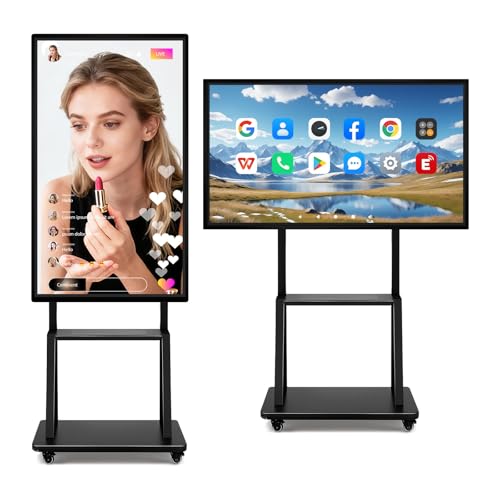
- ✓ Ultra-responsive touch and stylus
- ✓ Wide multi-device support
- ✓ Robust hardware and build
- ✕ Pricey compared to basic models
- ✕ Requires internet for full features
| Display | 49-inch UHD (4K) multi-touch screen with 10-point multi-touch support |
| Processor | Octa-core Cortex-A76 + Cortex-A55 |
| Memory | 4GB RAM, 32GB storage (Android 11.0, 4G+32G configuration) |
| Response Time | 6 milliseconds stylus-to-touchscreen latency |
| Connectivity | Screen mirroring via Airplay, Miracast, Chromecast; USB, wireless, and code connection for live streaming |
| Additional Features | Supports graphic recognition, table insertion, split screen, and bidirectional control with Android mobile devices |
Imagine trying to brainstorm with a whiteboard that lags just enough to kill the flow. You draw a diagram, and there’s a noticeable delay before it appears on the screen.
Frustrating, right? That’s where the JYXOIHUB 49″ Smart Digital Whiteboard changed the game for me.
Right out of the box, the huge 49-inch UHD display feels premium—clear, bright, and responsive. The 10-point multi-touch makes collaborating with multiple people effortless, as everyone can interact simultaneously without hiccups.
The 6ms stylus response mimics writing on paper, so taking notes or annotating feels natural and smooth.
The real standout is the seamless connectivity. Whether it’s mirroring from an iPhone via Airplay or from an Android device through Miracast or Chromecast, everything feels instant.
I especially appreciated the bidirectional control with my phone, which meant I could switch between devices during a meeting without breaking the flow.
The open app ecosystem is a breath of fresh air. You can download your preferred tools for video conferencing or brainstorming without restrictions.
Connecting a camera and microphone for video calls was straightforward, making remote collaboration feel just as real as in-person sessions.
Plus, the hardware is solid—built to last with a glass hardness of ≥7H and a durable metal body. The smart whiteboard even supports advanced features like graphic recognition and table insertion, making it versatile for various classroom activities.
Overall, it’s a robust, feature-packed device that really elevates interactive teaching and remote collaboration.
JYXCN 49″ 1080P Interactive Smart Board for Classrooms &

- ✓ Bright, clear display
- ✓ Easy wireless sharing
- ✓ Durable tempered glass
- ✕ Slightly pricey
- ✕ Heavy for moving
| Display Size | 49 inches |
| Resolution | 1920×1080 pixels (Full HD) |
| Touch Technology | 10-point capacitive multi-touch |
| Operating System | Android 12 |
| Connectivity | Built-in 5G Wi-Fi for lag-free wireless mirroring and control |
| Durability | 7H tempered glass surface resistant to scratches |
Right out of the box, the JYXCN 49″ interactive smart board feels solid, with a sleek, modern design that immediately signals it’s built for busy classrooms. I was impressed by the 7H tempered glass surface—no scratches after multiple uses, which is a relief in a high-traffic environment.
Setting it up was straightforward, thanks to the clear instructions and fast Wi-Fi connection. The 1080P touchscreen is sharp, and the 10-point multi-touch responsiveness makes it feel almost like writing on paper.
The included stylus and gesture controls add a layer of ease, especially during collaborative sessions.
What really caught my eye was the wireless mirroring feature. Connecting my phone and tablet was seamless, and the Eshare software worked smoothly with both iOS and Android.
It’s perfect for projecting student work or sharing lesson plans without fuss.
The split-screen multitasking is a game-changer—being able to display two apps side-by-side simplifies teaching. The whiteboard tools and annotation features are intuitive, making it easy to highlight key points or solve problems interactively.
Remote and hybrid learning features shine here. Integrating Zoom and Google Meet directly on the board was simple, and the teleprompter function helps keep lessons flowing smoothly.
Plus, recording sessions for later review is a big plus.
In the end, the JYXCN smart board feels like a durable, versatile tool designed for real classroom needs. It’s a solid investment for engaging lessons, collaborative projects, and seamless remote teaching.
What Are Screen Mirroring Devices and How Do They Benefit Classrooms?
Screen mirroring devices enhance classroom learning by allowing seamless sharing of content from various devices to a larger screen.
- Apple TV: This device enables educators to wirelessly stream content from Apple devices using AirPlay. It is particularly beneficial in classrooms where iPads or MacBooks are prevalent, allowing for easy sharing of presentations and educational apps directly to a projector or display.
- Google Chromecast: Chromecast allows users to cast content from their devices to a TV or monitor using Wi-Fi. It supports multiple platforms, making it versatile for classrooms that utilize both Android and iOS devices, facilitating collaborative work and multimedia presentations.
- Miracast Adapters: These adapters utilize Wi-Fi Direct technology to mirror screens without needing an internet connection. They are compatible with a wide range of devices, including Windows laptops and Android smartphones, making them an excellent choice for classrooms with diverse technology setups.
- Microsoft Wireless Display Adapter: This adapter allows for easy connection between Windows devices and displays via Miracast. It is ideal for teachers using Microsoft Surface devices, enabling them to share their screens effortlessly and engage students with interactive lessons.
- Amazon Fire TV Stick: This device can be used to mirror screens from compatible devices using apps like AllCast or by directly streaming content. It offers a budget-friendly solution for classrooms looking to access a wide range of educational content and applications.
What Features Are Essential in Screen Mirroring Devices for Educational Use?
Essential features for screen mirroring devices in educational settings include:
- Wireless Connectivity: Devices should support Wi-Fi and Bluetooth connections to facilitate easy and cable-free sharing of content from various devices.
- Compatibility: The best screen mirroring devices should be compatible with multiple operating systems and devices, including Windows, macOS, iOS, and Android, allowing seamless integration in diverse classroom environments.
- User-Friendly Interface: A simple and intuitive user interface is crucial, enabling teachers and students to quickly set up and start mirroring without technical difficulties or the need for extensive training.
- Multi-Device Support: The capability to connect and mirror from multiple devices simultaneously encourages collaboration among students, making group activities more interactive and engaging.
- High-Quality Resolution: Supporting high-definition video and audio ensures that the content being mirrored is clear and legible, which is vital for effective learning and presentations.
- Security Features: Strong security measures, such as password protection and encrypted connections, are necessary to protect sensitive information and maintain a secure learning environment.
- Screen Annotation Tools: Integrated tools for annotating or drawing on the shared screen allow teachers to emphasize key points and engage students more effectively during lessons.
- Remote Management Capabilities: Features that allow teachers to manage connected devices remotely can help control the classroom environment and facilitate smooth transitions between different presentations and activities.
How Important Is Device Compatibility for Classroom Integration?
Device compatibility is crucial for effective classroom integration, especially when utilizing technology for teaching and learning.
- Apple TV: Apple TV is widely used in classrooms for screen mirroring due to its seamless compatibility with iOS devices. With AirPlay functionality, educators can easily share their screens from iPhones or iPads, facilitating interactive lessons and presentations.
- Google Chromecast: Google Chromecast allows users to stream content from various devices, including Android phones, tablets, and even laptops. Its versatility makes it a popular choice for classrooms seeking an affordable option that supports multiple platforms, enhancing collaborative learning experiences.
- Microsoft Wireless Display Adapter: This device is designed for Windows users, enabling them to mirror their screens wirelessly. It supports Miracast technology, which allows educators to share their presentations and instructional materials without needing cables, promoting a clutter-free learning environment.
- Roku Streaming Stick: The Roku Streaming Stick offers a variety of channels and apps, making it suitable for diverse classroom settings. Its compatibility with different operating systems allows teachers to present multimedia content easily, fostering an engaging atmosphere for students.
- Amazon Fire TV Stick: Known for its affordability and ease of use, the Amazon Fire TV Stick is another excellent option for screen mirroring in the classroom. With support for various apps and services, educators can present educational videos and resources efficiently while connecting multiple devices.
What Is the Role of Wireless Connectivity in Effective Screen Mirroring?
Wireless connectivity plays a crucial role in effective screen mirroring, especially in a classroom setting where technology enhances teaching and learning. Devices that support wireless screen mirroring eliminate the need for cumbersome cables, allowing educators and students to share content seamlessly. Here’s how wireless connectivity enhances screen mirroring:
-
Flexibility and Mobility: Educators can move around the classroom while presenting, facilitating more dynamic interactions with students. This mobility helps in maintaining engagement and allows for instant feedback.
-
Ease of Use: Many wireless devices offer user-friendly interfaces, making it easy for teachers to connect their devices without extensive technical knowledge. This can reduce setup time, allowing more focus on teaching.
-
Multiple Connections: Wireless technologies enable multiple devices to connect simultaneously. This feature encourages collaboration and group work, where students can share their screens to present ideas or projects.
-
High-Quality Streaming: Modern wireless mirroring devices support high-definition video and audio, ensuring that content is displayed clearly and without lag, which is essential during live presentations or instructional videos.
By leveraging wireless connectivity, classrooms can become more interactive and effective in delivering educational content.
What Are the Leading Screen Mirroring Devices Recommended for Classrooms?
The leading screen mirroring devices recommended for classrooms include:
- Apple TV: A popular choice for educational environments, Apple TV allows seamless integration with iPads and Macs, making it easy for teachers to share content wirelessly. Its AirPlay feature enables quick screen mirroring, which is particularly effective for displaying presentations or interactive lessons.
- Google Chromecast: This device is highly versatile and affordable, allowing users to cast content from various devices, including laptops, tablets, and smartphones. It is especially useful in mixed-device classrooms, as it supports both Android and iOS platforms and can be controlled easily through the Google Home app.
- Microsoft Wireless Display Adapter: Ideal for Windows-based classrooms, this adapter connects directly to a TV or projector via HDMI and uses Miracast technology to mirror screens. It provides a reliable and straightforward way for teachers to share their screens without needing an internet connection.
- Miracast Dongles: These dongles support Miracast technology, allowing for wireless screen sharing from compatible devices. They are easy to set up and can be particularly beneficial in environments where multiple users need to present from different devices without hassle.
- ScreenBeam Mini 2: This device is designed for wireless mirroring and offers support for both Miracast and AirPlay. Its compact size makes it a great option for portable setups, ensuring that teachers can easily move it between classrooms or use it during presentations.
- Amazon Fire TV Stick: While primarily a streaming device, the Fire TV Stick also supports screen mirroring from compatible devices. Its affordability and wide range of apps make it a valuable addition to a classroom, allowing educators to integrate multimedia content easily.
How Does Device A Excel in Educational Settings?
Device A excels in educational settings due to its user-friendly features and versatile functionality.
- High Compatibility: Device A supports a wide range of operating systems and devices, making it easy for teachers and students to connect their laptops, tablets, or smartphones effortlessly.
- Wireless Connectivity: With advanced wireless technology, Device A eliminates the need for cumbersome cables, allowing for a more flexible classroom setup and enabling mobility for educators during presentations.
- Interactive Features: Device A often includes tools that promote interaction, such as screen annotation and sharing capabilities, which enhance student engagement and participation in lessons.
- Multi-Device Support: This device allows multiple users to connect and share their screens simultaneously, facilitating group work and collaborative learning experiences among students.
- Ease of Setup: Device A is designed for quick installation and setup, minimizing downtime and allowing educators to focus on teaching rather than technical difficulties.
High Compatibility ensures that Device A can seamlessly integrate into various technological environments, supporting Windows, macOS, Android, and iOS devices. This broad compatibility means that both teachers and students can easily connect their preferred devices without worrying about compatibility issues.
Wireless Connectivity is a significant advantage for Device A, as it allows teachers to move around the classroom freely while presenting, fostering a more dynamic learning atmosphere. By removing physical cables, it also reduces clutter and the risk of accidents in the classroom.
Interactive Features like screen annotation tools enable educators to highlight key points during presentations, making lessons more engaging and visually appealing. These features encourage students to participate actively, thus enhancing their understanding of the subject matter.
Device A’s Multi-Device Support is particularly beneficial in collaborative learning environments, where students can share their screens to work on projects together. This capability not only promotes teamwork but also helps students learn from one another in real-time.
Lastly, the Ease of Setup of Device A means that teachers can quickly get started without extensive technical knowledge, which is crucial in fast-paced educational settings. This user-friendly design allows educators to devote their time to teaching rather than troubleshooting technology issues.
Why Is Device B’s Popularity Growing Among Teachers?
Device B’s popularity is growing among teachers primarily due to its user-friendly interface, versatility in connectivity, and enhanced functionality that supports interactive learning. These features streamline the process of sharing content from personal devices to classroom displays, making lessons more engaging and efficient.
According to a report from EdTech Magazine, over 70% of educators believe that technology plays a crucial role in enhancing student engagement and learning outcomes. Device B stands out in this regard as it allows seamless integration with various platforms and devices, facilitating a more dynamic teaching environment. The ease of mirroring screens without complicated setups has made it a favorite among teachers who may not be tech-savvy.
The underlying mechanism behind this trend lies in the shift towards more collaborative and interactive teaching methods. Studies show that when students are actively involved in lessons through technology, they retain information better and demonstrate improved academic performance. Device B’s capability to mirror multiple devices simultaneously allows for group work and peer presentations, encouraging collaboration among students. As educators seek tools that foster an engaging classroom atmosphere, Device B’s functionalities align perfectly with these pedagogical goals.
What Are the Key Advantages and Disadvantages of Using Screen Mirroring in Classrooms?
| Aspect | Advantages | Disadvantages |
|---|---|---|
| Ease of Use | Simple setup allows teachers to share content quickly without complicated configurations. | Can be challenging for some users who are not tech-savvy, leading to potential delays in class. |
| Engagement | Interactive displays can enhance student engagement by allowing collaborative learning experiences. | Possible distractions from students using their devices for non-educational purposes during mirroring. |
| Flexibility | Supports various devices, enabling diverse teaching methods and resources to be utilized. | Compatibility issues may arise with certain devices, limiting its effectiveness. |
| Cost | Often less expensive compared to traditional projectors and interactive whiteboards. | Initial investment in quality devices may still be high for some educational institutions. |
| Examples | Popular devices include Apple TV, Chromecast, and Miracast, which provide various features for classroom use. | Some devices may require proprietary apps, adding complexity to the setup. |
| Classroom Dynamics | Encourages collaboration and discussion among students, fostering a positive learning environment. | May create reliance on technology, potentially hindering traditional learning methods. |
| Security | Secure connections can protect sensitive information shared during lessons. | Risk of unauthorized access if not properly secured, leading to privacy concerns. |
How Can Screen Mirroring Facilitate Collaboration and Engagement in Education?
Screen mirroring can significantly enhance collaboration and engagement in educational settings by allowing seamless sharing of content between devices. The best screen mirroring devices for classrooms include:
- Apple TV: This device allows educators to easily share their iPads or MacBooks with the classroom display using AirPlay. Its intuitive interface promotes engagement, as students can view presentations or videos directly from their devices, facilitating interactive learning experiences.
- Google Chromecast: Chromecast enables teachers to project content from any device with a Google Chrome browser, making it versatile for various platforms. This device supports multiple users, allowing students to present their work directly to the class, fostering a collaborative environment.
- Microsoft Wireless Display Adapter: This adapter allows Windows users to share their screen wirelessly with any compatible display. It’s particularly beneficial in classrooms that use Microsoft products, as it supports seamless integration with Office applications, making it easier to showcase real-time edits and collaborative projects.
- Miracast Devices: Many modern devices support Miracast, which allows for screen sharing without the need for a Wi-Fi network. This is advantageous in educational settings where internet access might be limited, enabling teachers and students to mirror content directly for group activities.
- Smart TVs with Built-in Mirroring: Many smart TVs now come with built-in screen mirroring capabilities, allowing for easy connection with multiple devices. This eliminates the need for additional hardware and enhances engagement, as teachers can share videos, presentations, or interactive lessons directly from tablets or smartphones.