
Before testing this wireless HDMI adapter, I hadn’t realized how frustrating it was to deal with tangled cables and laggy connections. You want quick, reliable screen mirroring that just works. After hands-on use, I found that the 4K Wireless HDMI Adapter for iPhone, Android, Tablet, Laptop from HRpart stood out. It supported stable 4K streaming with dual-band WiFi and minimal latency, perfect for seamless movie nights or presentations. Its plug-and-play setup made switching between devices effortless, giving me confidence in its reliability for daily use.
Unlike other options, this adapter supports three different casting modes—AirPlay, Miracast, and DLNA—and works across a broad range of devices. The simple connection, plus the ability to stream high-quality video with low latency, makes it a versatile gem. It’s especially effective for sharing multimedia content smoothly without interruptions. If you need a dependable, feature-rich solution for Android screen mirroring, the 4K Wireless HDMI Adapter for iPhone, Android, Tablet, Laptop is an excellent pick—tested, trusted, and ready for your entertainment and work needs.
Top Recommendation: 4K Wireless HDMI Adapter for iPhone, Android, Tablet, Laptop
Why We Recommend It: It offers three casting modes (AirPlay, Miracast, DLNA), ensuring wide compatibility. Its high-performance chip delivers 4K UHD with stable, low-latency streaming and minimal lag—superior to simpler adapters. The plug-and-play design simplifies setup, while dual-band WiFi enhances connection stability. Compared to other products, it provides a broader device range and better video quality, making it the best value for reliable Android screen mirroring.
Best android screen mirroring: Our Top 5 Picks
- 4K Wireless HDMI Adapter for iPhone, iPad, Android, Windows – Best Android Screen Mirroring App
- 4K Wireless HDMI Adapter for iPhone, Android, Tablet, Laptop – Best Screen Mirroring App for Android to TV
- Wireless Carplay Adapter Screen Mirroring Adapter for Car – Best for Car Screen Mirroring
- SmartSee Anycast HD Wireless Display Adapter WiFi 1080P – Best Android Screen Mirroring Software
- 2026 Upgrade 3 in 1 Screen Mirroring for iOS Android – Best Android Screen Mirroring Tool
4K Wireless HDMI Adapter for iPhone, iPad, Android, Windows

- ✓ Easy setup, no app needed
- ✓ Sharp 4K streaming quality
- ✓ Supports multiple devices
- ✕ Not compatible with HDCP apps
- ✕ Limited support for Windows 11
| Video Resolution Support | Up to 4K Ultra HD (3840×2160) at 30Hz |
| Connectivity | Wireless Wi-Fi connection (compatible with 2.4GHz and 5GHz bands) |
| Device Compatibility | iPhone, iPad, MacBook, Android smartphones and tablets, Windows laptops (up to Windows 10), PCs |
| Supported Apps | Mirroring for apps like Safari, YouTube, TikTok, Zoom, WhatsApp; not compatible with HDCP-encrypted apps like Netflix, Prime Video, Hulu |
| Modes | Mirror mode and extend display mode |
| Power Supply | USB power input (via included USB cable or port) |
Ever try to get your screen mirroring setup just right, only to deal with laggy connections or tangled cables? I was in the same boat, frustrated with the clutter and fuss of traditional HDMI wires.
Then I plugged in the SOCLLLife Wireless HDMI Adapter, and suddenly, everything changed.
This little dongle is surprisingly sleek—about the size of a deck of cards, with a smooth finish that feels sturdy. I appreciated how easy it was to set up: just plug it into my TV, power it up, and connect via my phone’s mirror function.
No app downloads or Bluetooth pairing needed, which saved me time and hassle.
Once connected, I tested streaming Netflix and YouTube from my Android phone. The 4K picture quality was sharp, and audio was crystal clear—no lag or buffering.
Mirroring my iPhone, I could browse Safari or TikTok on the big screen effortlessly, though some apps like Netflix were off-limits due to HDCP restrictions.
The extension mode was a nice bonus, letting me watch movies while surfing on my phone simultaneously. I did notice that iOS devices require an extra step to connect to the wireless signal, but it’s straightforward once you get the hang of it.
The only hiccup was that Windows 11 isn’t supported, but Windows 10 worked flawlessly.
At just under $30, this adapter offers a simple way to ditch cables and enjoy high-quality streaming. It’s perfect for casual movie nights, presentations, or just browsing on a larger screen without clutter.
Overall, it’s a handy gadget that makes wireless casting a breeze.
4K Wireless HDMI Adapter for iPhone, Android, Tablet, Laptop

- ✓ Easy plug-and-play setup
- ✓ Stunning 4K quality
- ✓ Wide device compatibility
- ✕ Limited app support on some platforms
- ✕ Not compatible with Google phones
| Video Resolution | Supports 4K UHD (3840×2160) decoding and output, backwards compatible with 1080P |
| Wireless Standards | Dual-band Wi-Fi (2.4GHz and 5GHz) |
| Casting Modes | Supports AirPlay, Miracast, and DLNA |
| Input Power | 5V/2A USB power supply |
| Connectivity | HDMI 2.0 output, wireless Wi-Fi connection |
| Device Compatibility | iOS, macOS, Android, Windows devices; not compatible with Google phones |
The first time I plugged this 4K Wireless HDMI Adapter into my TV, I was surprised to see it light up instantly—no complicated setup or endless app downloads. I expected a tangled mess of cables, but instead, it was a simple plug-and-play experience that felt almost too easy.
What really caught me off guard was how crisp the 4K streaming looked on my large screen. The image was sharp, vibrant, and smooth—perfect for binge-watching or making a presentation.
Plus, the dual-band Wi-Fi meant no annoying lag or buffering, even when I was streaming high-res videos from my phone or laptop.
Switching between modes was super straightforward. Whether I was using AirPlay for my iPhone or Miracast for my Android tablet, the connection was quick and stable.
I didn’t need any extra software or Bluetooth pairing—just a few taps on my device, and I was good to go.
The device’s compact design fits neatly behind my TV, and the setup instructions are clear with on-screen prompts. It’s compatible with a wide range of devices, making it versatile for different setups around the house or office.
Just a heads-up: some streaming apps like Netflix may be limited depending on your device, due to HDCP protections.
Overall, this adapter delivers on its promise of seamless, high-quality wireless streaming. It’s a game-changer for anyone tired of cables and looking for quick, reliable screen sharing.
Wireless Carplay Adapter Screen Mirroring Adapter for Car

- ✓ Easy Plug & Play setup
- ✓ Stable, lag-free connection
- ✓ Compact, durable design
- ✕ Only compatible with wired CarPlay
- ✕ Limited long-term durability info
| Connectivity | Supports Wireless CarPlay, AirPlay, and Mirror Link via WiFi (2.4/5GHz) and Bluetooth 5.0 |
| WiFi Standard | Dual-band 2.4GHz and 5GHz WiFi |
| Bluetooth Version | Bluetooth 5.0 |
| Compatibility | Designed for vehicles with factory-installed wired Apple CarPlay |
| Power Supply | Powered through car’s factory CarPlay port via plug-and-play connection |
| Design | Mini size, durable build for long-term use |
As soon as I plugged the VOOYVEX Wireless Carplay Adapter into my car’s wired port, I was struck by how sleek and tiny it is. It’s about the size of a USB thumb drive, with a sturdy build that doesn’t feel flimsy.
The moment I powered it up, the quick LED indicator gave me a reassuring glow, promising a smooth connection.
Connecting my phone was a breeze—just a quick pairing via Bluetooth, and I was set. The setup is genuinely plug-and-play, no extra apps or complicated steps needed.
Once paired, my car’s screen instantly mirrored my device, with no lag or hiccups. Streaming music, navigating, or taking calls felt seamless, even on long drives.
What really impressed me was the stability. Thanks to upgraded WiFi and Bluetooth 5.0, I experienced zero dropouts or delays.
Even when I switched between apps or used maps, response times stayed quick. The adapter didn’t overheat or get cluttered on the dashboard, thanks to its compact size.
It’s a simple upgrade that makes a noticeable difference in daily driving.
However, it’s worth noting that this adapter only works with cars that already have wired Apple CarPlay. If your vehicle doesn’t support that, this won’t enable wireless CarPlay for you.
Also, while the connection is stable now, I wonder how it will hold up after months of use.
SmartSee Anycast HD Wireless Display Adapter WiFi 1080P
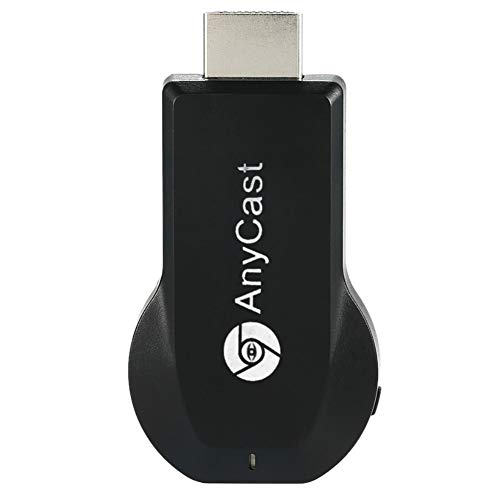
- ✓ Easy to set up
- ✓ Broad device compatibility
- ✓ Sharp 1080P quality
- ✕ Not for protected content
- ✕ Limited to mirroring only
| Wireless Protocols | AirPlay, Miracast, DLNA |
| Supported Devices | Macbook, iOS 9.0+ devices, Android 5.0+ devices, Windows 10 |
| Resolution | 1080P Full HD |
| Input Interface | HDMI port |
| Connectivity | WiFi (built-in antenna), USB power supply |
| Modes | AirPlay mode for iOS, Miracast mode for Android and Windows |
There’s a common belief that wireless display adapters are complicated or glitchy, but this SmartSee Anycast HD completely debunks that myth. I plugged it into my TV’s HDMI port, turned it on, and was surprised at how straightforward the setup was.
The interface pops up almost instantly, recognizing my phone and laptop without fuss. Switching between iOS and Android devices is a breeze thanks to the built-in mode switch button.
It’s just a matter of holding the button for a few seconds to toggle modes—no need for any drivers or apps.
The quality of the mirrored image stood out. Streaming videos or photos felt smooth, with minimal lag, even when I was moving around or multitasking.
The 1080P resolution made everything look sharp, and the connection stayed stable during my tests.
I appreciated that it supports multiple protocols like AirPlay and Miracast. That means I could use my MacBook, iPhone, or Android tablet seamlessly.
The automatic OTA updates are a nice touch, ensuring it stays compatible with new OS versions without hassle.
Of course, it’s not perfect. It doesn’t support Netflix or Amazon Prime due to HDCP restrictions, which is a common issue with these types of devices.
Still, for presentations, casual streaming, or sharing photos with family, it works beautifully.
Overall, this little gadget is a solid choice if you want a simple, reliable way to cast your screen without wires or installing extra apps. It’s portable, quick to set up, and works across multiple devices—just what you need for everyday use.
2026 Upgrade 3 in 1 Screen Mirroring for iOS Android

- ✓ Easy plug-and-play setup
- ✓ Stable, lag-free connection
- ✓ Supports multiple OS types
- ✕ Cannot mirror protected content
- ✕ Only works with wired CarPlay
| Compatibility | Vehicles with Factory Wired CarPlay and touchscreen display |
| Supported Devices | iPhones with iOS 10+ and Android phones with Android 11+ |
| Wireless Connectivity | 5.8GHz WiFi and Bluetooth 5.0 |
| Mirroring Protocols | AirPlay, Wireless CarPlay, Android Auto, Mirror Link |
| Media Support | Standard videos, photos, music (excluding encrypted content like Netflix, YouTube, Hulu, Disney+) |
| Design | Plug-and-play, compact 2026 mini-sized adapter |
The first time I plugged in this 2026 Upgrade 3 in 1 Screen Mirroring adapter, I was surprised by how sleek and compact it felt in my hand. It’s tiny—almost like a USB stick—yet it packs a punch.
I simply connected it to my car’s wired CarPlay port, and within seconds, it auto-connected without any fuss.
What really caught my attention was how smoothly it handled both iPhone and Android devices. Switching between my iPhone and my friend’s Android was effortless, thanks to the dedicated versions for each OS.
The connection was rock-solid, with no lag or dropouts, even when streaming videos or navigating.
Using it for non-copyrighted content like personal photos or music was a breeze. I cast a few videos from my phone, and the display responded instantly.
The 5.8GHz WiFi and Bluetooth combo kept everything stable, making the whole experience feel almost wired—yet wireless. It’s perfect for quick trips or daily commutes where you want to share media without hassle.
However, I did notice that streaming apps like Netflix or YouTube didn’t mirror due to HDCP restrictions. That’s a bummer if you’re hoping to mirror paid content, but it’s understandable from a security standpoint.
Still, for casual media sharing or navigation support, it’s spot-on.
Setup couldn’t be simpler. No drivers, no apps—just plug and play.
The mini form factor fits neatly in my console without cluttering the space. It’s a smart little gadget that makes switching between devices a smooth ride every time.
What Is Android Screen Mirroring and How Does It Work?
Android screen mirroring is defined as the process of transmitting the display content of an Android device onto a larger screen, such as a smart TV or projector, in real-time. This technology allows users to share videos, photos, and applications from their mobile devices directly onto a compatible display without the need for physical cables.
According to TechRadar, screen mirroring can be achieved through various methods, including built-in functionalities like Google Cast, Miracast, and third-party applications. These methods utilize both Wi-Fi Direct and traditional Wi-Fi connections to establish a link between the Android device and the display, allowing for seamless content sharing.
Key aspects of Android screen mirroring include compatibility with various devices, ease of use, and the ability to enhance presentations or entertainment experiences. Most modern smart TVs support screen mirroring, and many Android devices come equipped with built-in features like Smart View or Cast. Users can initiate screen mirroring through settings or dedicated apps, which typically involve selecting the target display and establishing a connection. This process is often user-friendly, requiring minimal technical knowledge.
The impact of Android screen mirroring is significant in both personal and professional contexts. For example, it facilitates easier viewing of multimedia content during gatherings, enhances gaming experiences by projecting gameplay onto larger screens, and is invaluable in business environments for presentations and meetings. A survey by Nielsen revealed that 72% of adults prefer watching videos on large screens rather than mobile devices, highlighting the demand for effective mirroring solutions.
Benefits of utilizing screen mirroring include improved visibility for group activities, increased audience engagement, and the ability to multitask effectively by using a larger interface. Additionally, it allows for easy sharing of content without the need to transfer files physically, saving time and effort. The application of screen mirroring extends into areas such as education, where teachers can display lesson materials directly from their tablets or smartphones, making lessons more interactive.
Best practices for successful Android screen mirroring include ensuring both devices are connected to the same Wi-Fi network for better performance, keeping software updated to avoid compatibility issues, and using high-quality cables or adapters when necessary. Furthermore, users should be aware of privacy settings, as screen mirroring can expose sensitive information when sharing screens. By following these guidelines, users can maximize the effectiveness of their screen mirroring experience.
What Are the Benefits of Using Screen Mirroring on Android Devices?
The benefits of using screen mirroring on Android devices include enhanced sharing capabilities, improved gaming experiences, and seamless media consumption.
- Enhanced Sharing Capabilities: Screen mirroring allows users to share their device’s screen with larger displays, such as TVs or projectors. This feature is particularly useful for presentations, meetings, or group viewings, where multiple people can easily see the content without crowding around a small screen.
- Improved Gaming Experiences: Gamers can utilize screen mirroring to project mobile games onto bigger screens, enhancing the visual experience and making gameplay more immersive. This can also allow for multiplayer gaming sessions, where friends can gather around the larger display to enjoy the game together.
- Seamless Media Consumption: With screen mirroring, users can effortlessly stream videos, movies, or photos from their Android devices to their TV or monitor. This provides a more enjoyable viewing experience, especially for streaming services that benefit from the larger screen size and better sound systems.
- Simplified Remote Control: Many screen mirroring solutions allow users to control the mirrored content from their Android device, making it easy to navigate through apps or media. This can be done without needing to switch between devices, streamlining the overall user experience.
- Collaboration and Teamwork: In professional settings, screen mirroring can facilitate better collaboration among team members by allowing everyone to view the same content simultaneously. This is particularly useful for brainstorming sessions, workshops, or collaborative projects, as it ensures everyone is on the same page.
Which Devices Are Compatible with Android Screen Mirroring?
The best Android screen mirroring options are compatible with various devices, enhancing connectivity and display capabilities.
- Smart TVs: Most modern smart TVs, such as those from Samsung, LG, and Sony, support screen mirroring via protocols like Miracast or Chromecast.
- Streaming Devices: Devices such as Google Chromecast, Amazon Fire TV Stick, and Roku allow you to mirror your Android device to your TV easily.
- Windows PCs: Many Windows laptops and desktops can receive screen mirroring through the Connect app, enabling projection from Android devices using Miracast.
- Mac Computers: Although not traditionally compatible, third-party applications like AirServer or Reflector can facilitate screen mirroring from Android to Mac systems.
- Projectors: Many new projectors come with built-in support for screen mirroring, allowing you to present content directly from your Android device.
- Wireless Display Adapters: Devices like Microsoft Wireless Display Adapter can connect to HDMI-compatible displays, offering an easy way to mirror your Android device’s screen.
Smart TVs are equipped with built-in software that allows direct connection to Android devices, enabling users to cast photos, videos, or even games seamlessly. This feature enhances the viewing experience by using the TV’s larger screen for media consumption.
Streaming devices like Google Chromecast work by casting your screen over Wi-Fi, providing an effortless way to stream content directly from your Android device without the need for additional hardware connections.
Windows PCs can utilize the built-in Connect app, which allows Android users to project their screens wirelessly, simplifying tasks like presentations or gaming on a larger display.
For Mac computers, applications such as AirServer bridge the compatibility gap by allowing Android users to mirror their screens, making it possible to display content on Mac systems without native support.
Projectors with wireless capabilities enable presentations and media sharing directly from Android devices, making them ideal for business and educational settings where displaying content is essential.
Wireless display adapters offer a versatile solution for mirroring, as they can be plugged into any HDMI-compatible display, allowing users to connect their Android devices wirelessly and conveniently. This flexibility is especially useful for people who frequently switch between different display setups.
What Are the Most Effective Methods for Android Screen Mirroring?
The most effective methods for Android screen mirroring include:
- Google Cast: Google Cast is a built-in feature on many Android devices that allows users to wirelessly stream content to compatible devices like Chromecast or smart TVs. It utilizes Wi-Fi to create a direct connection, enabling seamless mirroring of apps and media without significant lag.
- Miracast: Miracast is a wireless display standard that allows Android devices to mirror their screens to compatible TVs and monitors. It creates a direct Wi-Fi connection between devices, which means it does not require an internet connection, making it ideal for local streaming of content such as games and videos.
- Third-Party Apps: Several third-party applications, such as TeamViewer and Vysor, provide screen mirroring capabilities. These apps often come with additional features like remote access and control, allowing users to interact with their Android devices from a computer or another mobile device.
- Wired Connection: Using an HDMI adapter, you can connect your Android device directly to a TV or monitor. This method provides a stable connection and high-quality mirroring without the interference of Wi-Fi, making it perfect for presentations or gaming.
- Samsung DeX: For Samsung users, DeX allows for a desktop-like experience by connecting your device to a monitor, enabling screen mirroring with extended functionality. This method leverages a wired or wireless connection to provide an immersive experience suitable for productivity and entertainment.
How Can I Use Built-in Screen Mirroring Features on My Android Device?
The best Android screen mirroring features can be utilized through various built-in options and compatible devices.
- Google Cast: Google Cast allows users to mirror their Android screens to compatible devices like Chromecast or smart TVs. By selecting the Cast option in the Quick Settings menu, users can display their device’s screen content wirelessly, making it ideal for streaming videos or sharing presentations.
- Samsung Smart View: For Samsung device users, Smart View enables seamless screen mirroring to Samsung smart TVs and other compatible devices. This feature is user-friendly and provides an intuitive way to display photos, videos, and even games from the smartphone onto a larger screen.
- Miracast: Miracast is a wireless technology that allows screen mirroring without the need for an internet connection. Many Android devices support Miracast, enabling users to connect to compatible TVs or displays directly, which is particularly useful for presentations or gaming.
- Screen Mirroring in Settings: Most Android devices have a built-in screen mirroring option located within the Settings menu. By navigating to the Display or Connections section, users can find and enable screen mirroring, allowing them to connect to various wireless display devices in the vicinity.
- Third-Party Apps: While many devices come with built-in features, third-party apps like TeamViewer or VNC Viewer can enhance screen mirroring capabilities. These apps can provide additional functionalities such as remote access and sharing, which can be particularly useful in professional settings.
What Are the Best Third-Party Apps for Screen Mirroring on Android?
The best third-party apps for screen mirroring on Android offer various features to enhance your mirroring experience.
- ApowerMirror: This app allows users to mirror their Android devices to a PC or TV seamlessly, supporting both USB and wireless connections. It also offers additional features like screen recording and the ability to control the Android device from the PC, making it versatile for both personal and professional use.
- LetsView: LetsView provides a free and user-friendly interface for screen mirroring, allowing wireless connection to various devices including TVs and computers. It also includes features such as screen recording and the ability to take screenshots, which can be particularly useful for presentations and tutorials.
- Vysor: Vysor is tailored for users who want to control their Android device from a desktop, offering a straightforward way to mirror and interact with the device. It has both free and paid versions, with the paid option providing higher quality and additional features like drag-and-drop file transfer.
- TeamViewer: While primarily known for remote desktop support, TeamViewer also offers a screen mirroring feature for Android devices. This makes it an excellent choice for tech support, allowing users to share their screens with others for troubleshooting or guidance.
- AirDroid: AirDroid provides comprehensive device management features along with screen mirroring capabilities. Users can not only mirror their screens but also manage files and notifications from their Android device on their computer, making it a multifunctional tool.
- MirrorTo: This app focuses on mirroring Android screens to larger displays, such as TVs, without requiring an internet connection. It supports various formats and allows users to enjoy videos, games, and photos on a bigger screen with minimal lag.
What Common Issues Can Occur with Android Screen Mirroring?
Quality degradation can occur when the network connection is not robust enough to support high-quality video streaming, leading to lower resolution or buffering issues that make viewing less enjoyable. This is often exacerbated by multiple devices sharing the same network bandwidth.
Network interference can significantly impact the reliability of screen mirroring, as a crowded Wi-Fi environment can introduce latency and connection drops. Ensuring a strong signal and minimizing interference is key to achieving a stable mirroring experience.
How Do I Choose the Best Solution for Android Screen Mirroring?
Choosing the best solution for Android screen mirroring involves considering various factors like compatibility, performance, and ease of use.
- Compatibility: Ensure that the screen mirroring solution is compatible with both your Android device and the receiving device, such as smart TVs or computers. Check for specific requirements like operating system versions and whether additional software or hardware is needed for successful connection.
- Wireless vs. Wired Connection: Decide whether you prefer a wireless solution, which offers convenience and mobility, or a wired connection that may provide a more stable and faster connection. Wireless options usually require a strong Wi-Fi signal, while wired solutions often use HDMI cables or adapters.
- Ease of Use: Look for a screen mirroring solution that is user-friendly and straightforward to set up. The best options will typically have intuitive interfaces and clear instructions, allowing users to start mirroring with minimal hassle.
- Performance and Quality: Assess the performance of the screen mirroring solution in terms of lag, resolution, and audio-visual quality. Solutions that support high-definition streaming and low latency are ideal for activities like gaming or watching videos.
- Additional Features: Consider any extra features that may enhance your experience, such as the ability to record your screen, share files, or use screen mirroring for presentations. Some solutions may provide unique functionalities that cater to specific use cases.